
Best Trading Platforms for Nigerian Investors
Discover how Nigerian investors can pick the right trading platform 🔍 by comparing features, fees, regulation, and security across stocks, forex, and crypto markets. 💹
Edited By
Edward Hargrave
Automated trading bots have become a significant force in modern financial markets, altering how trading is done worldwide — Nigeria included. These software programmes can execute buy and sell orders automatically based on algorithms, without needing real-time human input. Essentially, they trade faster and more efficiently than manual traders.
In the Nigerian context, where stock and forex trading are growing steadily thanks to platforms like the Nigerian Stock Exchange (NGX) and retail forex brokers, automated bots offer a way to navigate volatile markets swiftly. Unlike regular traders who must monitor market moves constantly, bot users can set specific rules and let the bots carry out trades even when they are offline.
Trading bots rely on coded algorithms that analyse market data using indicators such as moving averages, volume, and price trends. They spot entry or exit points predetermined by a trader or developer and act immediately to place orders. For example, a bot could be programmed to buy a stock when its 50-day moving average crosses above the 200-day average – a sign of upward momentum.
Bots can function across different markets — equities, forex, cryptocurrencies — making them versatile tools. Their strength lies in speed and precision, qualities highly valuable in Nigerian markets where price swings can be rapid because of currency fluctuations or geopolitical news.
Time-saving: Bots handle trades automatically, freeing traders from constant market watching.
Emotion-free decisions: Automated actions prevent panic selling or impulsive buying, common pitfalls in manual trading.
Backtesting: Traders can simulate bot strategies on historical Nigerian market data before running them live.
While bots offer many upsides, Nigerians interested should consider internet reliability, since downtime affects bot performance. Plus, understanding the local regulatory framework is crucial; bodies like the Securities and Exchange Commission (SEC) Nigeria have guidelines about electronic trading that must be followed.
Automated bots are tools, not magic solutions. For Nigerian traders, mastering their setup and monitoring remains key to leveraging their full potential.
Overall, automated trading bots bring efficiency and scale to trading activities in Nigeria, but users must blend local market knowledge with sound technology use to benefit fully.
Automated trading bots are software programs designed to buy and sell financial assets automatically, based on predefined rules and algorithms. Their relevance in Nigerian markets has steadily grown as more traders and investors seek ways to trade efficiently despite volatile economic conditions and infrastructural challenges like inconsistent power supply and internet connectivity.
In simple terms, trading bots act like digital brokers executing trades at speeds impossible for human traders. They monitor market movements and carry out trades instantly when certain conditions are met. For Nigerian traders, this means access to round-the-clock opportunities in markets such as the Nigerian Stock Exchange (NGX) or Forex, without being physically present or manually checking prices all day.
At the heart of any trading bot is its algorithm, a set of instructions that dictates when and how to trade. These instructions range from simple rules like "buy when the price drops by 2%" to complex formulas analysing multiple indicators simultaneously. For example, a bot might be programmed to sell shares of a stock listed on NGX if the Moving Average Convergence Divergence (MACD) indicator signals a downtrend. The practical benefit is clear — the bot makes split-second decisions based on logical criteria, removing delays and emotional biases from trading.
Bots rely on real-time market data such as price quotes, volume, and order book information. They also incorporate technical indicators — statistical calculations derived from market data — to anticipate price movements. Common indicators include Relative Strength Index (RSI), Bollinger Bands, and Simple Moving Averages (SMA). Nigerian traders can find bots that integrate data from local exchanges and global markets, giving a comprehensive overview to craft smarter trading strategies.
These bots use fixed, pre-set rules defined by the trader. For instance, a simple bot might trigger a purchase when a stock's price falls below a specified amount. While straightforward and easy to understand, they lack adaptability. Such bots suit beginners or those trading less volatile assets on platforms like the NGX for straightforward trades.
These more advanced bots adjust their strategies based on past market data and new information. They spot complex patterns and can react to changing market conditions without human input. Some high-end bots deployed by Nigerian fintech firms use AI to predict currency fluctuations or stock trends, crucial when dealing with the naira’s frequent volatility against dollar or euro.
The hybrid bots combine fixed rules with machine learning elements. They start with a baseline strategy but refine their trading approach as they collect more data. This blend helps Nigerian traders by offering both reliability of tested rules and flexibility to adapt during unusual market phases, such as during election periods or global shocks affecting local markets.
Understanding these varieties helps you select a bot that best fits your trading style and market environment, especially given Nigeria’s unique financial landscape.
This knowledge sets the stage for practical use of automated trading in Nigeria, balancing speed, accuracy, and adaptability in a market where every second counts and data moves fast.
Automated trading bots bring several clear benefits to Nigerian traders and investors. They simplify complex trading processes, reduce the influence of human emotion, and offer opportunities to react faster than manual trading ever could. These advantages become especially valuable in Nigeria where markets experience volatility, infrastructure challenges, and traders may juggle multiple financial priorities.
One of the main strengths of trading bots is their speed. Unlike human traders who may hesitate or miss key moments due to slow reactions or internet interruptions, bots execute trades instantly based on pre-set criteria. For example, on the Nigerian Stock Exchange (NSE), price movements can happen within seconds; bots can place orders faster than a trader manually clicking the mouse. This speed lets traders capture market opportunities or react to sudden news without delay, potentially locking in better prices.
Human trading often suffers from emotions like fear and greed, which can cloud judgement and lead to poor decisions such as panic selling or holding losing positions for too long. Automated trading bots stick strictly to programmed rules, removing emotional bias from the equation. In Nigeria, where many retail traders are still learning market psychology, this feature is key. Bots ensure discipline — they buy and sell based on data, not on moods or rumours circulating among social circles or WhatsApp groups.
Markets like forex and cryptocurrency operate around the clock, and Nigerian traders who have day jobs or irregular power supply cannot always monitor them constantly. Trading bots work nonstop, tracking market signals day and night without fatigue or pause. This feature helps traders catch overnight price dips or spikes that would otherwise be missed. For instance, a Kuda user investing in cryptocurrency can benefit from a trading bot that automatically reacts to price changes even during NEPA outages or when the trader is away.
Automated trading can cut costs associated with manual trading. You save on transaction delays that sometimes cause losses, and lower the need to pay expensive advisory fees or subscribe to costly trading signals. While bots require a small subscription or setup fee, they can help traders avoid costly mistakes or missed windows in volatile Nigerian markets, especially given naira’s fluctuating value against foreign currencies. Some Nigerian fintech firms are already offering affordable bot services customised for local traders, making these tools more accessible than before.
Using trading bots in Nigeria is not a magic wand, but when used wisely, they level the playing field for retail traders battling infrastructure challenges and fast-moving markets.
In summary, the advantages of trading bots align well with the realities Nigerian traders face: erratic power, fast markets, emotional pressures, and cost constraints. They provide practical tools for speed, discipline, continuous monitoring, and efficiency that can enhance trading outcomes locally.
Automated trading bots can bring speed and efficiency to trading, but they also carry significant risks and limitations that Nigeria's traders must understand. These challenges range from technical failures to regulatory uncertainties, and overlooking them can lead to severe financial consequences.
Bots depend heavily on stable software and internet connections. In Nigeria, frequent power outages and unreliable internet can cause trading bots to malfunction or disconnect from market servers, leading to missed trades or erroneous orders. For example, an internet drop during a volatile market session might cause a bot to place outdated orders, triggering unexpected losses. Moreover, software bugs or server crashes within the bot’s infrastructure could freeze operations or cause unintended trades. Traders must have backup plans, like manual override options and alerts, to quickly respond if their system fails.
Some bots are tuned heavily to historical market data, a practice known as over-optimisation, which makes them perform well in past scenarios but poorly in live trading. The Nigerian market, especially in sectors like equities or forex, can behave unpredictably due to local events, policy changes, or naira fluctuations. Bots that blindly follow rigid algorithms might execute losing strategies without adapting. It’s critical for users to understand the limitations of their bot’s algorithms and regularly review or update parameters to reflect real market conditions.
Automated trading bots struggle with sudden market shocks and unexpected news. Events such as government policy announcements, fuel subsidy removals, or geopolitical developments often cause rapid price swings on the Nigerian Stock Exchange or in forex markets. Bots relying on pre-set indicators may not adjust quickly enough, leading to significant losses. For example, during the 2023 naira redesign announcement, the forex market experienced intense volatility, challenging many trading bots. Human oversight remains essential to pause or adjust automated strategies during such times.
The regulatory environment for automated trading in Nigeria is still evolving. The Securities and Exchange Commission (SEC) and Central Bank of Nigeria (CBN) have guidelines relating to market operations and forex transactions, but specific rules for bots remain limited. Traders should watch out for compliance risks, including issues with data privacy, algorithm transparency, and market manipulation concerns. Using unlicensed or poorly regulated platforms may expose users to fraud or legal penalties. Staying informed about new directives and choosing reputable trading platforms is crucial for legal safety.
Automated trading bots are powerful, but understanding their risks is vital. Combining vigilant monitoring with knowledge of Nigeria’s market quirks and legal landscape helps safeguard investments against these challenges.
To sum up, traders in Nigeria must balance bot efficiency with awareness of technical failures, algorithm constraints, volatile markets, and shifting rules. Proper preparation and continuous supervision ensure safer bot integration into investment strategies.
In Nigeria's dynamic financial markets, integrating automated trading bots into investment strategies offers a way to increase efficiency and respond swiftly to market changes. However, success depends on carefully choosing the right tools and maintaining a balance between automation and human judgment. For Nigerian investors, this integration must also consider local factors such as power supply, internet stability, and currency fluctuations.
Choosing an appropriate trading bot platform is critical. Nigerians should prioritise platforms that support Nigerian exchanges or currency pairs relevant to their portfolios, such as NGX stocks or USD/NGN forex pairs. Platforms like 3Commas or Cryptohopper, which offer customisable bots, allow traders to tailor strategies that suit Nigerian market conditions. Additionally, check for platforms with responsive customer support and features that can handle local internet irregularities. Transparent pricing and no hidden charges are key, especially for retail traders working with modest capital.
Setting achievable investment goals and clear risk limits is essential. Traders should avoid overestimating profits or expecting bots to eliminate all risks. For example, a trader may set a goal to achieve a consistent 5% monthly return rather than aiming for quick, large gains. Risk parameters such as maximum daily loss limits and stop-loss orders help protect against volatile Nigerian market swings or sudden naira devaluation. These settings ensure the bot halts trading when losses reach an unacceptable level, preventing erosion of capital.
While bots execute trades automatically, continuous human monitoring is indispensable. Nigerians should regularly review bot performance, update algorithms based on market trends, and intervene when unusual volatility or geopolitical events occur. For instance, during ember months, market behaviour often shifts; bots may require adjustment or temporary suspension to avoid losses. Human insight provides context that bots cannot grasp, such as regulatory changes from the Securities and Exchange Commission (SEC) or Central Bank of Nigeria (CBN) policies impacting liquidity.
Monitoring internet and power reliability: Nigerian traders often face erratic power supply and unstable internet connections. Since trading bots operate online and need constant data feeds, poor power and connectivity can disrupt bot performance, causing missed trades or errors. Investors should invest in backup power solutions like inverters or generators and use reliable internet services to maintain seamless operation.
Awareness of naira exchange rate impacts: The naira's frequent fluctuations affect trade valuations, especially for foreign exchange or imported stocks. Bots may operate based on pricing that does not reflect sudden naira depreciation. Traders must factor in exchange rate risks by updating bot parameters to consider currency volatility or limit exposure to foreign-denominated assets.
Keeping up with local market news: Nigerian markets react strongly to political developments, CBN monetary policies, or economic indicators like inflation rates. Staying informed allows traders to adjust bot strategies promptly. Subscribing to alerts from financial news sources like BusinessDay Nigeria or Nairametrics helps ensure bots operate with current market context, reducing surprises from unforeseen events.
Integrating automated trading bots within Nigerian investment strategies requires a blend of technological readiness and local market awareness. With the right platform, sensible goals, ongoing supervision, and attention to practical challenges, traders can harness bots effectively while navigating Nigeria's unique financial environment.
Automated trading bots are steadily gaining ground in Nigeria's financial markets, driven by advances in technology and growing local interest in fintech solutions. Looking ahead, their influence promises to reshape trading practices, offering quicker decision-making and broader market access for investors. Understanding these future trends helps traders and professionals to prepare and adapt effectively.
Nigeria’s fintech scene is burgeoning with local startups developing trading bots tailored to Nigerian market conditions. For instance, platforms like Cowrywise and Piggyvest have begun integrating semi-automated investment tools that combine bot capabilities with user control. This localisation addresses specific challenges such as unreliable power and intermittent internet, making bots more accessible and reliable for Nigerian investors.
Additionally, homegrown AI developers are experimenting with machine learning algorithms that adapt to naira exchange rate fluctuations and local stock behaviours. This suggests a move beyond imported trading bot systems towards solutions designed to handle Nigeria's unique market dynamics.
Automated trading bots are likely to influence the Nigerian Stock Exchange (NGX) by increasing trade volumes and reducing latency in order executions. Bots excel in high-frequency trading, which could improve liquidity and narrow spreads, benefiting retail and institutional participants alike.
In the forex space, bots help traders monitor volatile currency pairs such as USD/NGN, enabling rapid response to regulatory changes or market shocks. This could make forex trading more approachable and efficient, especially for smaller traders who lack the resources to track markets continuously.
Amid rising naira volatility and economic shifts, bots can provide consistency and speed, assets human traders may struggle to match.
While the potential is strong, hurdles remain. One challenge is regulatory uncertainty. Nigeria’s Securities and Exchange Commission (SEC) and Central Bank of Nigeria (CBN) have yet to establish clear frameworks specifically addressing automated trading. Traders using bots must navigate these evolving rules carefully.
Moreover, infrastructure issues like frequent power outages (NEPA/DISCO irregularities) and poor network coverage can disrupt automated systems, risking financial loss. Addressing these requires both technological and infrastructural improvements.
On the flipside, opportunities include the rise of hybrid bot-human models allowing traders to keep oversight while benefiting from automation. For example, brokers in Lagos are already adopting hybrid systems to balance efficiency and control. There's also room for bots to aid in market education by simulating trades for novices.
As automated trading bots evolve in Nigeria, staying informed and cautious while exploring their possibilities can help traders secure better returns and participate actively in the market's future.
Discover how Nigerian investors can pick the right trading platform 🔍 by comparing features, fees, regulation, and security across stocks, forex, and crypto markets. 💹
Explore how automated trading systems work, their benefits, risks, and tips for success in Nigeria’s market. 📈💻 Get practical insights on modern trading!
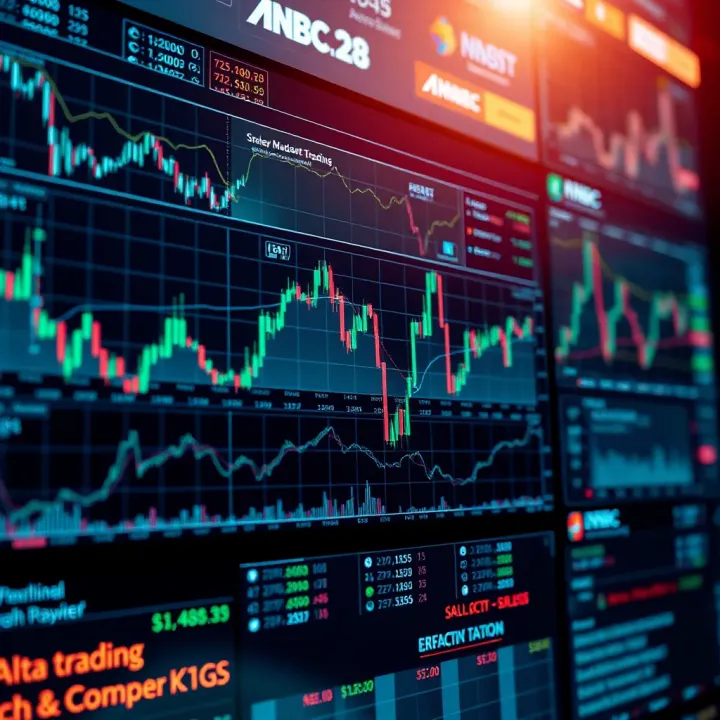
Discover how AI trading bots work, their impact on markets, plus pros, cons, risks, and future trends shaping trading in Nigeria and beyond 🤖📈
📈 Discover how trading signals work and their types. Learn practical tips to help Nigerian traders improve decisions and manage risks effectively.
Based on 7 reviews