

Bitcoin News and Price Predictions in Nigeria
📈 Stay updated on Bitcoin news in Nigeria 🇳🇬, uncover price trends, expert views, local regulations & fintech shifts shaping ₦-market outlook today.
Edited By
Michael Prescott
Gold has always held a special place in global and Nigerian markets as a store of value and a hedge against economic uncertainty. For investors, traders, and finance professionals, understanding gold price predictions means more than just guessing the next number; it involves grasping the underlying factors that push prices up or down and recognising methods of forecasting that can guide sound investment choices.
Gold prices fluctuate due to a complex mix of macroeconomic elements like interest rates, inflation, foreign exchange rates, and geopolitical events. For example, when the US dollar weakens, gold often strengthens since it becomes cheaper for investors holding other currencies, including the naira. Meanwhile, tensions or instability in oil-producing regions, which Nigeria heavily depends on, can trigger shifts in gold prices as investors seek safer assets.

In Nigeria, local factors such as naira volatility, inflation rates, and Central Bank of Nigeria (CBN) policies also influence gold pricing. During the ember months, increased spending and demand for jewellery and gold coins by traders and individuals can nudge prices higher. Additionally, smuggling and unofficial markets affect availability and pricing, which makes accurate prediction even more vital for reliable investment planning.
Popular methods for predicting gold prices include technical analysis, which looks at past price charts and patterns, and fundamental analysis, assessing economic indicators and market news. Many traders combine these with sentiment analysis to gauge market psychology, especially during periods of high volatility—common in Nigerian forex and commodity markets.
Investing in gold without understanding the forces shaping its price is like driving a danfo at night without headlights — risky and unpredictable.
Key practical tips for Nigerians interested in gold trading are:
Track CBN announcements on monetary policy and forex reserves.
Monitor global economic news, especially from the US Federal Reserve and major central banks.
Watch inflation trends in Nigeria as they directly impact gold’s appeal.
Use price alerts from reputable platforms to catch quick market moves.
By focusing on these factors and tools, traders and investors can better navigate gold markets and make informed decisions that protect and grow their wealth in Nigeria’s dynamic economy.
Understanding what drives gold prices is key for traders and investors aiming to navigate this volatile commodity. Gold prices respond to a mix of economic signals, geopolitical developments, and basic supply-demand balance. Grasping these factors helps you make grounded predictions rather than rely on guesswork.
Inflation erodes purchasing power, pushing investors toward gold as a shield against rising costs. For example, during periods when Nigeria's inflation rate edges beyond 15%, demand for gold often increases as people seek to preserve value. Conversely, higher interest rates raise the appeal of interest-bearing assets, diverting funds away from gold, which doesn't pay dividends or interest. When the Central Bank of Nigeria (CBN) hikes rates to control inflation, gold prices might dip temporarily.
Gold is typically priced in US dollars, so fluctuations in major currencies affect its value in other currencies like the naira. When the naira weakens against the dollar due to forex scarcity or policy shifts, Nigerian buyers could face higher local costs for gold. This relationship means traders must watch naira-dollar trends closely since a sharp naira depreciation, like seen in some recent months, often boosts gold prices locally despite global trends.
Economic turmoil in large markets triggers shifts in gold prices worldwide. For instance, during the 2008 global financial crisis, gold prices soared as investors fled riskier assets. Recent uncertainties over US-China trade tensions also sparked demand for gold as a safe haven. Nigerian investors should track such global events, as local markets feel ripple effects especially when the country depends on foreign investment and trade.
Conflicts or political instability create fear and uncertainty, often lifting gold prices as people seek secure assets. Examples include unrest in the Middle East or trade wars impacting global supply chains. For Nigeria, domestic political events, like elections or regional conflicts, can indirectly influence gold demand if they affect economic confidence and capital flows.
Trade restrictions, tariffs, or sanctions can disrupt supply chains and impact gold mining or export activities. If key producer countries face sanctions, global supply tightens, pushing prices upward. Nigerian investors need to watch how international trade policies evolve since restrictions on Chinese or South African producers, for example, can shift market balance.
Gold mining output directly shapes supply levels, affecting prices. When mining firms face rising production costs due to fuel hikes or stricter regulations, they may reduce output, tightening supply. For instance, higher diesel prices in Nigeria can raise operational costs for local gold traders and miners, influencing regional availability and prices.
Demand from jewellery buyers and industries such as electronics strongly shapes gold prices. In Nigeria, traditional celebrations like weddings push jewellery demand seasonally, affecting local consumption. Industrial uses, though smaller locally, matter globally. A surge in demand from growing markets can strain gold stocks, nudging prices higher.
Gold price movements result from a complex interplay of economic signals, geopolitical risks, and supply-demand dynamics. Staying informed on these drivers allows you to anticipate trends and protect your investments effectively.
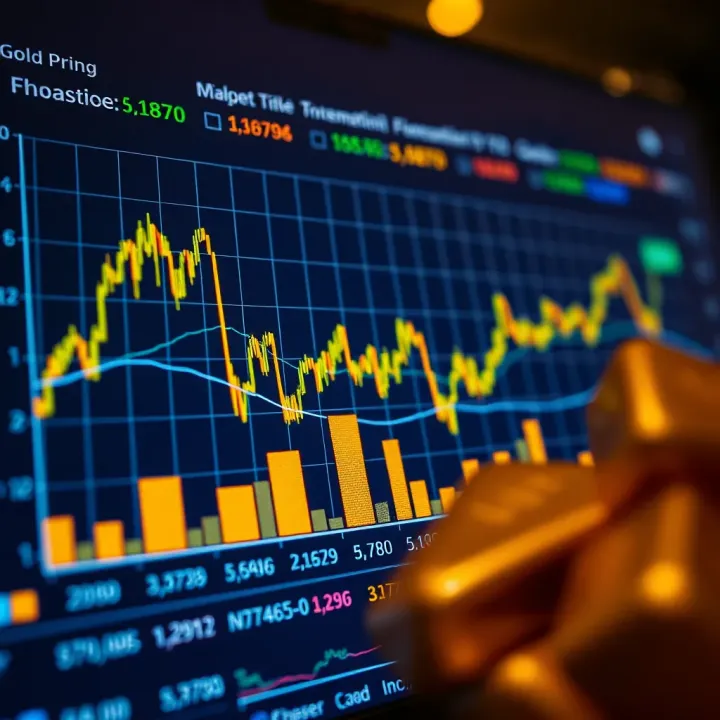
Predicting gold prices requires more than guesswork; traders and investors depend on systematic approaches to navigate this often volatile market. Common techniques used in forecasting gold offer practical frameworks to understand price movements, spot opportunities, and manage risks effectively. These methods blend economic insight, market data, and expert input to give a clearer picture of gold’s future value.
Reviewing Economic Reports involves scrutinising key indicators such as inflation rates, GDP growth, and employment figures, which influence gold demand and pricing. For example, rising inflation in Nigeria often pushes investors toward gold as a store of value, boosting its price. Economic reports from global centres like the US or China also impact gold prices locally, given their influence on global trade and currency strength.
Tracking Central Bank Activities is crucial since methods like gold buying or selling by the Central Bank of Nigeria (CBN) or other major central banks can sway market sentiment. When central banks increase gold reserves, it signals confidence in gold as a hedge, potentially driving prices up. Conversely, selling gold reserves to support the naira may weigh down the price. Monitoring CBN monetary policy statements and gold reserves changes helps investors anticipate such moves.
Examining Market Sentiment captures the psychological aspect influencing gold prices. This involves watching investor behaviour, news cycles, and social media chatter. For instance, political tensions in Lagos or announcements of fuel scarcity might spark fears, leading to increased demand for gold as a safe haven. Sentiment analysis tools or surveys provide measurable ways to gauge this mood, supplementing hard data from other methods.
Chart Patterns and Trends offer visual clues about potential price directions. Traders observe formations like head and shoulders, double tops, or triangles on gold price charts to forecast reversals or continuations. For example, seeing a sustained uptrend over weeks supported by higher lows may encourage buying, while a breakdown below support levels calls for caution.
Using Moving Averages and RSI (Relative Strength Index) helps smooth price data and identify overbought or oversold conditions. A 50-day moving average crossing above the 200-day MA (golden cross) often signals bullish momentum. In contrast, RSI values above 70 might warn that gold prices are overextended and due for a pullback. These indicators assist traders in timing entries and exits.
Volume and Momentum Indicators measure the strength behind price moves. A price rise accompanied by increasing volume signals genuine buying interest, while declining volume during a price rise suggests weakening demand. Momentum indicators like the Moving Average Convergence Divergence (MACD) show trend strength and possible reversals. Together, these tools refine predictions with quantifiable market activity.
Price Forecasts by Research Firms blend analysis and experience to project future gold prices. Organisations like Bloomberg Intelligence or local financial institutions provide regular reports based on data and global events. Nigerian investors follow these forecasts to align their strategies, especially during periods of naira volatility or economic uncertainty.
Algorithmic and AI-based Predictions represent the growing use of technology in gold price forecasting. These models process vast datasets, spotting patterns invisible to human analysts. Firms employing AI can simulate multiple scenarios, improving prediction accuracy. However, users should remember that no model is infallible—unexpected geopolitical shocks or local economic shifts can always disrupt forecasts.
Combining fundamental, technical, and expert approaches enhances chances of making informed gold trade decisions, especially in a market as dynamic as Nigeria's.
In summary, each technique offers unique insights that, when used together, help traders and investors decode the complex signals behind gold price movements. Practical use of these tools requires regular updates, keen observation, and the readiness to adapt as situations evolve.
Gold price forecasts hold significant weight for Nigerian investors due to the country's unique economic and currency challenges. Predicting gold prices can guide investment decisions, helping to protect wealth amid naira volatility and inflation concerns. Understanding how these predictions affect market behaviour enables investors to make smarter choices, whether buying physical gold or digital assets.
In Nigeria, inflation often erodes the purchasing power of the naira, pressing investors to seek stable alternatives. Gold traditionally serves as a safe haven during high inflation, preserving wealth when everyday costs rise. For example, during Nigeria’s recent inflation spikes exceeding 20%, those who held gold saw their assets maintain value better than cash savings.
Besides inflation protection, gold offers a means to diversify currency exposure. With the naira frequently experiencing exchange rate shocks against the dollar and other major currencies, owning gold helps investors reduce risk associated with holding only local currency. This diversification provides a buffer against sudden naira depreciation, important in a country dependent on oil revenues and vulnerable to global price shifts.
Physical gold remains a favourite, with bars and coins commonly purchased to store tangible wealth. However, digital gold platforms have gained ground, allowing investors to buy gold in small quantities without handling the metal directly. Platforms like BuyCoins or Chaka offer convenient access to gold backed by actual reserves. This flexibility appeals to younger, tech-savvy investors who want exposure to gold without the security issues linked to physical storage.
Gold-backed exchange-traded funds (ETFs) and securities provide another investment avenue. While these products are less widespread in Nigeria compared to global markets, they offer liquidity and easier trading. Such instruments allow investors to benefit from gold price movements without physical possession, making them attractive for portfolio diversification and passive investment strategies.
Though gold is known as a stable asset, its price can be volatile due to shifting global economic conditions, geopolitical tensions, or speculative trading. Nigerian investors must understand that gold prices can fluctuate sharply in the short term, so relying solely on predictions without robust risk management can lead to losses.
Gold price forecasts involve inherent uncertainty because they depend on complex factors including international trade, monetary policies, and unpredictable events. Nigerian investors should treat predictions as tools for informed decision-making rather than precise guarantees. Overconfidence in forecasting models without considering broader economic realities might result in misjudged investments.
Effective gold investing in Nigeria requires balancing insights from price predictions with practical knowledge of market risks and local economic dynamics. This approach helps investors protect wealth and navigate challenges tied to naira fluctuations and inflation.
Gold price predictions offer valuable insights, but knowing how to use them wisely is essential for traders and investors. These forecasts are tools — not guarantees — and understanding their practical application can help avoid costly mistakes. Whether you are a short-term trader or a long-term investor in Nigeria, blending predictions with solid strategies is the key to making informed decisions.
Gold prices often show different behaviours over short and long periods. Short-term trends might reflect daily market reactions to events, like a sudden geopolitical issue or an announcement from the Central Bank of Nigeria (CBN). For example, gold might spike when naira weakens sharply due to currency instability. Long-term trends, on the other hand, relate more to overarching themes such as inflation outlook, global economic cycles, or mining supply constraints. Traders should avoid mistaking short-term volatility for lasting market directions, since trying to time the market on rapid fluctuations can lead to losses.
Recognising that gold’s value tends to rise in periods of economic uncertainty or heightened inflation helps in planning trades and investments. A practical Nigerian investor might consider holding gold for the medium to long term, especially during ember months when inflation and festive spending drive demand.
Market sentiment often follows the mood of traders and investors, which can swing quickly. News about political instability, global trade tensions, or shifts in U.S. dollar strength influence how people perceive gold’s safety and value. For instance, when investors feel nervous about the naira’s outlook or rising fuel costs increase inflation pressure, buying gold can rise sharply.
Traders who stay alert to sentiment shifts — through social media trends, news platforms like BusinessDay Nigeria, or statements from global institutions like the IMF — will spot chances to buy or sell more effectively. Sentiment is a practical, human factor that sometimes outweighs technical signals or fundamental data. Ignoring it risks missing profitable turns in the market.
Gold rarely behaves the same way as stocks, real estate, or government bonds. Its value can move opposite to those assets during economic crises. This contrast makes gold a natural hedge when the naira weakens or when the Nigerian Stock Exchange (NGX) indexes fall.
A balanced Nigerian portfolio might include gold alongside equities from companies like GTBank or Dangote Cement, government securities, and cash. This blend reduces the chance of heavy losses. For example, during a naira dip leading up to elections, holding gold helped some traders preserve wealth while equities tumbled.
Risk management demands spreading investments to avoid total losses. Over-investing in gold, especially speculation based on price guesses, exposes one to volatility. Meanwhile, ignoring gold altogether leaves portfolios vulnerable during inflation spikes or currency devaluation.
Investors should allocate a reasonable percentage of their capital to gold, depending on their goals and risk tolerance. Keeping some funds in liquid assets like Treasury bills and using gold to shield against unpredictable inflation and forex risks offers a smart approach. One Nigerian investor used roughly 20% of their portfolio in gold to cushion the blow when naira fell 15% within a year.
Staying informed through reputable sources is vital. Nigerian economic reports from the CBN or Securities and Exchange Commission (SEC) provide realistic pictures of local conditions affecting gold demand. International reports from the World Gold Council or financial institutions reflect global supply and demand dynamics.
Regularly reviewing these reports helps traders and investors spot trends early. For instance, increased buying by central banks worldwide signals tightening supply — an indicator worth noting for anyone trading gold in Nigeria.
Relying on platforms with proven track records, like Bloomberg, Reuters, or Nigerian financial portals, ensures better prediction accuracy. Algorithmic and AI-based models have become common but require cautious interpretation, as sudden political events or policy changes may disrupt forecasts.
In Nigeria, accessing timely forecasts from fintechs like Cowrywise or Piggyvest, alongside traditional market analysis, can combine convenience with reliability. Always cross-check predictions and avoid making decisions on a single source. A mix of expert opinions and technical data forms a stronger base for action.
Using gold price predictions effectively means blending data, expert insight, and awareness of local realities. With clear expectations and diversified strategies, Nigerian traders and investors can better navigate the market’s ups and downs.
📈 Stay updated on Bitcoin news in Nigeria 🇳🇬, uncover price trends, expert views, local regulations & fintech shifts shaping ₦-market outlook today.
📈 Explore XAUUSD price dynamics and gold trading in Nigeria. Understand factors impacting gold value, historical trends, and trading tools for investors. 💰

🐾 Explore how vet price prediction works, key factors affecting veterinary costs, tips to manage expenses in Nigeria, plus insights on insurance and care choices.

📈 Discover how market trends, economy, and tech shifts shape Bitcoin price forecasts in Nigeria. Get clear, practical insights to navigate ₦ and crypto with confidence.
Based on 11 reviews