

Best Trading Platforms for Nigerian Investors
Discover how Nigerian investors can pick the right trading platform 🔍 by comparing features, fees, regulation, and security across stocks, forex, and crypto markets. 💹
Edited By
Thomas Gray
Online trading platforms have become a key gateway for Nigerians looking to invest in stocks, forex, and other financial instruments without needing to visit a physical brokerage. These platforms offer the convenience of buying and selling assets directly from your smartphone or computer, often at lower fees than traditional brokers.
In Nigeria, platforms such as Trove, Bamboo, and Chaka cater specifically to local investors by providing access to both Nigerian and international markets. Their rise coincides with growing internet penetration and smartphone adoption across urban and semi-urban areas.
Choosing the right platform involves more than just the app’s look; security, fee structure, and available features should guide your choice.
At their core, these platforms connect you to the financial markets by acting as intermediaries between you and the stock exchanges. When you place an order, the platform routes it to the appropriate market or liquidity provider to execute the trade. Nigerian platforms usually link to the Nigerian Stock Exchange (NGX) for equities and offer foreign share access via partnerships with global brokers.
User Interface: Ease of navigation matters, especially if you trade frequently or are just starting out.
Fees and Charges: Look beyond the headline commission rates — also check for inactivity fees, withdrawal charges, or currency conversion costs.
Security Measures: Strong encryption, two-factor authentication (2FA), and regulatory licences from bodies like SEC Nigeria add layers of protection.
Range of Instruments: Some platforms offer only stocks and ETFs, while others include forex, commodities, or cryptocurrencies.
Verify the platform’s compliance with Nigerian regulations to avoid scams.
Start small to get familiar with how orders are placed and executed.
Keep an eye on exchange rates when trading foreign assets — naira fluctuations can impact returns.
Use demo accounts where available to practice without risking real money.
Understanding how these platforms work helps you make more informed decisions and avoid pitfalls common among new traders. In the next sections, we will break down types of online trading platforms available in Nigeria and what fees to expect.
Online trading platforms have become a cornerstone for Nigerian investors eager to access local and international markets with ease. These platforms provide the necessary tools to buy and sell securities without the traditional paperwork, making investment more accessible and less time-consuming. For anyone keen on trading stocks on the Nigerian Exchange (NGX) or venturing into forex and cryptocurrencies, understanding these platforms is the first step.
At their core, online trading platforms serve as digital marketplaces connecting traders with financial exchanges. They handle order execution, provide real-time market data, and offer portfolio management features. Think of them as the digital equivalent of the trading floor, but available on your phone or laptop. This convenience allows users to monitor price movements closely, place orders swiftly, and adjust strategies according to market conditions.
An online trading platform is essentially software that enables investors to conduct trading activities electronically. Its basic functions include real-time price tracking, order placement, execution confirmation, and trade history records. Many platforms also include charting tools, news feeds, and alerts, which help traders make informed decisions. In Nigeria, given the sometimes erratic internet connectivity, a stable and responsive platform is critical to avoid missed opportunities or errors in trade execution.
Mobile app platforms dominate Nigeria’s online trading landscape, mainly because of the high smartphone penetration and the preference for on-the-go access. Apps like Chaka, Bamboo, and Trove offer Nigerians the chance to trade from anywhere, whether waiting in traffic on a Lagos danfo or at a barbing salon in Abuja. These apps are generally user-friendly, support quick funding through local payment options like USSD codes and bank transfers, and provide notifications for price changes or market news. The practical advantage is obvious—investors don’t have to be stuck behind a desktop to act on sudden market moves.
Web-based platforms are accessible through browsers, offering a more comprehensive set of tools suitable for detailed analysis. For instance, platforms hosted by brokers like InvestNow NG allow investors to view multiple charts, use technical indicators, and execute complex trades. This type of platform suits traders who prefer a broader interface and often have reliable internet at home or office. Since Nigerian traders may suffer from intermittent electricity supply, these platforms also tend to save session data frequently, reducing the risk of data loss.
Some Nigerian brokerages develop their own trading platforms tailored specifically for their client base. GTBank’s trading platform is a good example, integrating with its banking services for seamless fund transfer and quick settlement. These bespoke platforms enable brokers to enforce regulatory compliance while providing customised features like local market insights or integration with the Central Bank of Nigeria’s guidelines. For Nigerian investors looking for a one-stop-shop experience with trusted brands, brokerage-specific platforms often provide that extra layer of confidence and local relevance.
Choosing the right type of trading platform depends on your trading style, internet access, and need for specialised tools. Mobile apps suit quick trades and mobility, web-based platforms cater to thorough market analysis, while brokerage-specific platforms offer streamlined integration and localised support.
Understanding these basic types and functions helps you ground your expectations and pick platforms that fit your investment goals and daily routine effectively.
Selecting the right online trading platform depends heavily on the features it offers. Nigerian investors must prioritise platforms with intuitive user interfaces, a broad selection of tradable assets, and strong security practices. These features not only improve your trading experience but also directly affect your ability to act quickly and securely in Nigeria’s dynamic market.
A clean, easy-to-navigate interface makes trading less stressful, especially for beginners. Trading platforms that clutter screens with too much information or require several clicks to perform basic actions can cost you valuable time. For example, Chaka’s mobile app boasts a straightforward dashboard that displays price charts, news updates, and order execution tabs all on a single screen.
Accessibility matters too. Since power outages and limited internet speed remain challenges in Nigeria, platforms optimised for low-bandwidth and usable on basic smartphones help maintain trading continuity. Those offering offline account management or push notification alerts keep users informed even when connectivity drops.
Most Nigerian platforms provide access to stocks traded on the Nigerian Exchange (NGX), the nation’s primary stock market. These include shares of large companies like Dangote Cement, MTN Nigeria, and Nigerian Breweries. For local investors, having access to NGX stocks means they can participate in corporate growth right from their phones.
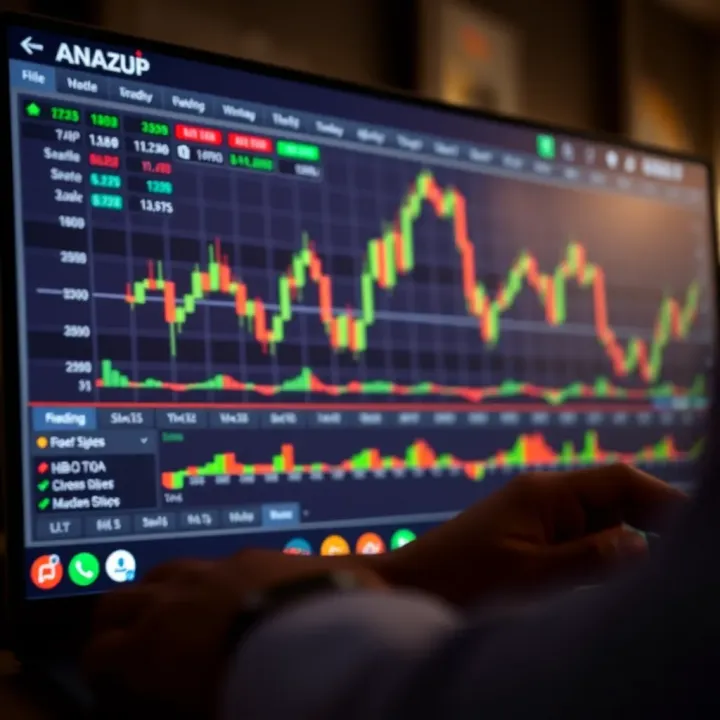
Beyond mere accessibility, check whether the platform updates stock prices in real-time and supports features like limit or stop-loss orders, giving you more control over trades amid the NGX’s sometimes volatile fluctuations.
Some Nigerian platforms extend their asset range to forex currencies and cryptocurrencies. Forex trading appeals to those seeking high liquidity and 24-hour market access, while cryptocurrencies like Bitcoin and Ethereum offer alternative investment opportunities that have grown popular with tech-savvy Nigerians.
However, these markets come with heightened risks and require platforms with transparent pricing and fast execution. Platforms like InvestNow NG allow trading in both forex and cryptos but also provide educational materials to help users understand volatile market behaviour.
For investors leaning towards safer or income-generating assets, commodities such as precious metals or agricultural products are options, though less common on Nigerian platforms. Bonds, including government securities often issued through the Debt Management Office, provide fixed returns and portfolio diversification.
Platforms that offer bonds trading alongside shares can attract conservative investors seeking steady income with lower risk. Kano Capital, for example, integrates bonds into its asset mix, giving users opportunities beyond stocks.
Security cannot be overstated when handling online investments. Look out for platforms that implement two-factor authentication, encrypted transactions, and regular audits. Not all Nigerian platforms meet these standards, so verify their registration with the Securities and Exchange Commission (SEC Nigeria).
Choosing an SEC-registered platform ensures regulatory oversight and adherence to Nigerian financial laws, reducing the chances of fraud. Some platforms also display compliance badges or provide clear policies on data privacy and fund safekeeping, which give investors added peace of mind.
Always prioritise security and regulatory compliance to protect your capital and personal information when trading online in Nigeria.
In sum, focusing on user-friendly interfaces, a suitable asset range including NGX stocks, forex, crypto, commodities, bonds, alongside strong security and compliance guarantees, will position Nigerian investors for successful online trading.
Understanding the costs involved in online trading is critical for Nigerian investors aiming to keep their expenses low while maximising returns. Trading fees can seriously eat into profits, especially when compounded over many transactions. Knowing what commission structures, hidden charges, and how naira volatility impact your expenses helps you plan and choose the best platform.
Trading commissions are the most visible costs when you buy or sell assets like stocks or forex. These fees typically go to your broker or the trading platform for facilitating your trade. In Nigeria, commissions vary widely—some platforms charge a flat fee, while others take a percentage of the transaction value, usually between 0.1% to 1%. For example, GTBank’s trading platform might charge a fixed fee of ₦50 for trades under ₦100,000, but a scaled percentage for higher amounts.
Before jumping in, check the fee schedule carefully. Small trades on high-commission platforms can quickly become uneconomical. Also, some brokers offer lower fees for high-volume traders, which can benefit active investors.
Besides visible commissions, many platforms levy additional fees that might catch you off guard. Subscription costs for premium features or real-time data feeds are common examples. Some trading apps ask for monthly or yearly fees ranging from ₦5,000 to ₦30,000, especially if they offer in-depth analytics or advanced order types.
Watch also for fees like inactivity charges if you do not trade for a while, or withdrawal fees when moving funds out of your trading account. These extra costs, when combined, can add up, especially for casual investors.
The naira's fluctuations against major currencies affect trading costs, particularly for forex and platforms using foreign infrastructure licences. When the naira weakens, fees charged in foreign currencies become more expensive in local terms.
For example, if a platform charges $10 monthly for premium access, the naira equivalent may spike from ₦4,000 to ₦6,000 or more within months depending on exchange rates. This unpredictability complicates budgeting for investors.
Additionally, naira volatility can affect settlement times and transaction processing, potentially resulting in delays or extra charges when transferring money through banks or payment gateways.
It’s wise to factor in these hidden and exchange-related costs to avoid surprises. An affordable platform on paper might become pricey if you overlook these details.
By comparing all fees and considering naira currency risks, you put yourself in a better position to pick a platform that fits your trading style and budget in Nigeria.
Picking the right online trading platform is not just about convenience. It directly affects how well your investments align with your goals and how smoothly you navigate the Nigerian market. Each platform offers different tools, fees, and support, which can make a huge difference from beginner to professional trader. Taking the time to choose carefully means you avoid costly mistakes and can trade confidently.
Before settling on any platform, reflect on what you want to achieve and how much experience you have. For instance, if you're a beginner looking to grow savings steadily, you might want a platform with easy navigation and educational resources. On the other hand, an experienced trader might require advanced charting tools and access to varied asset classes beyond the Nigerian Exchange (NGX).
Setting clear goals—whether aiming for short-term profit from forex or long-term wealth through stocks—helps narrow down platforms suited for your needs. It’s wise to consider how actively you’ll trade, the size of your portfolio, and the type of assets you prefer. By matching the platform features with your experience and goals, you’ll save time and reduce frustration.
Good customer support can be a lifesaver, especially when technical issues arise or you face unfamiliar market conditions. Nigerian platforms vary in how quickly and effectively they assist users. Opt for ones that offer multi-channel support—phone, email, live chat—and are preferably available during Nigerian trading hours.
Educational resources also matter, particularly if you’re still learning the ropes. Some platforms provide tutorials, webinars, and market analysis tailored for Nigerian investors. These materials enhance your understanding and improve decision-making. Without solid support and learning tools, you might miss important updates or fall victim to rudimentary mistakes.
GTBank leverages its strong banking network to offer a trading platform integrated with your existing bank account. This seamless access means you can fund your trades directly without third-party wallets, reducing delays. It is especially handy for busy professionals who want a one-stop solution combining banking and investment.
Its interface is user-friendly, making it suitable for beginners. However, the platform focuses primarily on stocks listed on the NGX, limiting exposure to offshore or crypto assets.
Kano Capital stands out by offering a wide range of investment options, including Nigerian equities, mutual funds, and treasury bills. It targets investors seeking diversification within the local financial market. Kano Capital’s mobile app presents an accessible and efficient experience, catering both to newbies and intermediate traders.
On top of trading, Kano Capital emphasises research and market insights, helping clients make informed choices. This feature is valuable in Nigeria’s volatile market, where timely information can shift profit margins.
Chaka breaks the barrier to international markets by allowing Nigerian traders to buy US stocks, cryptocurrencies, and global ETFs alongside local shares. This broad access is ideal for investors wanting to spread risk beyond Nigeria.
The platform maintains a clean, intuitive design while supporting multiple payment options, including funding via local banks. Its educational content also guides users on how to trade international assets, which can be complex without prior experience.
InvestNow NG focuses on simplicity with a beginner-friendly dashboard and low entry requirements, making it suitable for fresh investors. It also supports automated investment plans and robo-advisory services which appeal to those who prefer a hands-off approach.
Although its asset range isn’t as broad as Chaka’s, InvestNow NG excels in customer support and transparent fee structures, important for building trust in Nigeria’s fintech space.
Choosing the right platform means matching your goals, experience, and preferred assets with what each service offers. Careful consideration not only safeguards your capital but also unlocks the real benefits of online trading in Nigeria.
Trading online is convenient but carries risks, especially in Nigeria where scams and cyber threats are common. Knowing how to stay safe and trade smart not only protects your funds but also boosts your confidence. This section highlights key practices Nigerian investors should follow to ensure a secure and effective trading experience.
Your trading account holds sensitive information and direct access to your funds. Start by using strong, unique passwords and change them periodically. Avoid using easily guessed details like your phone number or date of birth. Also, enable two-factor authentication (2FA) whenever available. Many Nigerian platforms, such as Chaka and InvestNow NG, support this feature to add an extra layer of security.
It is also wise not to trade on public Wi-Fi networks, for example in a busy market or cafe, as hackers can intercept your data. Instead, use a secure, private internet connection. If you suspect unauthorised access or notice strange transactions, contact your broker immediately.
Online trading involves real risk — prices can rise or fall quickly, and losses can mount if you're not careful. It’s vital to understand how the market works and not just chase quick profits. Beware of platforms promising guaranteed high returns or insider tips; such claims are often scams targeting Nigerian investors hoping to multiply their ₦.
Scammers might use fake websites or apps that resemble real brokers to steal your login details. Before investing, research the platform’s reputation and read reviews from other Nigerian traders. Also, avoid sharing your account details or verification codes with anyone, no matter how convincing they sound.
SEC Nigeria oversees and regulates the capital market, including online trading platforms. The commission sets rules to protect investors and ensure fair dealings. Before trading, check if the platform is registered and licensed by SEC. This registration means the platform meets minimum security and operational standards prescribed by Nigerian law.
Investors who face issues with their brokers can report to SEC for investigation. The regulatory body also educates Nigerians on market risks and signs of fraudulent activities, helping traders make informed decisions.
Always verify if the trading platform has a valid SEC licence, which usually appears on their website footer or official documents. Beware of platforms without physical offices or clear contact details in Nigeria.
You can also cross-check the list of licensed brokers on SEC Nigeria's official publications or announcements. Platforms listed there have met regulatory requirements, unlike unlicensed outfits.
Always confirm platform legitimacy before funding accounts to avoid losing your hard-earned ₦ to fraudulent schemes.
Lastly, watch out for platforms that pressure you to invest large sums quickly or require personal information outside the normal verification process. Such behaviour often signals scams.
Taking these precautions seriously will help you trade safely and grow your investment sustainably on Nigerian online trading platforms.
Discover how Nigerian investors can pick the right trading platform 🔍 by comparing features, fees, regulation, and security across stocks, forex, and crypto markets. 💹
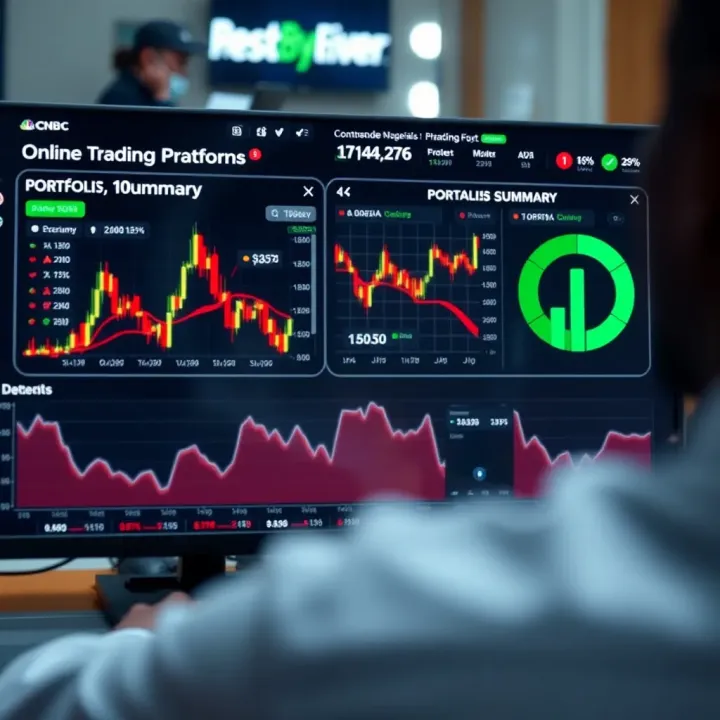
Looking for the best online trading platform in Nigeria? Discover top features, security tips, costs, and tools to match your trading style and grow safely 📊💻🇳🇬

Discover how Nigerian investors can choose the right trading brokers, understand services, meet regulations, and avoid mistakes for profitable trading 📈💼
Discover best online trading platforms for Nigerian investors 📈. Learn smart strategies, markets to explore, and ways to manage risk confidently in ₦ trading.
Based on 9 reviews