
Best Online Trading Platforms for Nigerian Investors
Looking for the best online trading platform in Nigeria? Discover top features, security tips, costs, and tools to match your trading style and grow safely 📊💻🇳🇬
Edited By
James Harrington
Online trading in Nigeria has gained massive popularity, especially as smartphones and internet access spread across the country. However, choosing the right platform and strategy can be tricky given the variety of options and the specific challenges in Nigeria’s financial ecosystem.
Selecting the ideal platform depends on several Nigerians-specific factors:
Regulation and security: Trustworthy platforms register with Nigerian authorities like the Securities and Exchange Commission (SEC) or collaborate with local banks for enhanced security.
Ease of funding: Platforms that support convenient deposit and withdrawal options like bank transfers, USSD codes, or e-wallets such as OPay and PalmPay make trading smoother.
Market access: Depending on your interest, choose a platform offering access to Nigerian equities on the Nigerian Exchange Limited (NGX), forex, commodities, or even cryptocurrencies.
User interface: A simple and mobile-friendly interface often works best, especially considering the high reliance on smartphones over desktop access in Nigeria.
Platforms like Chaka, Troves, and Afrinvest Direct cater specifically to Nigerian investors, providing access to both local and international markets with Nigerian Naira funding options.
Investors typically explore a range of markets:
Nigerian stocks: Listed on NGX, including shares of top companies such as Dangote Cement, MTN Nigeria, and Zenith Bank.
Forex trading: Foreign currency pairs involving the Naira, such as USD/NGN, can be traded but with attention to regulatory guidelines.
Cryptocurrency: While somewhat regulatory grey, platforms offering Bitcoin, Ethereum, and others remain popular among Nigerian traders.
Commodities: Gold and oil-linked contracts attract those keen on Nigeria’s natural resources.
A few strategies have proven effective given the market environment:
Swing trading: Capitalising on short- to medium-term price shifts in NGX-listed stocks or forex pairs.
Diversification: Spreading investments across stocks, forex, and commodities to reduce risk, especially useful against naira volatility.
Value investing: Examining company fundamentals and investing in undervalued stocks for the long haul.
Staying updated with local economic news, such as CBN monetary policies or fuel subsidy adjustments, can influence trading decisions significantly.
Online trading in Nigeria demands a balance of the right platform choice, market awareness, and strategy. Starting cautiously and steadily building your knowledge with practical trades helps manage risks better and improves confidence in the evolving digital financial space.
Picking the right online trading platform matters a lot for Nigerian investors. The platform shapes your trading experience, affecting how easy or tough it is to access markets, execute trades, and manage your investments. A suitable platform sharpens your ability to respond to market changes quickly, especially given Nigeria’s vibrant but sometimes volatile financial environment.
Platforms vary widely in features, markets offered, fees, and security. Getting one that matches your trading goals and level of experience prevents costly mistakes and stress. For instance, a beginner might prefer platforms with straightforward interfaces and educational resources, while a professional trader may focus more on advanced charting tools and low commissions.
A simple, intuitive user interface significantly improves your trading efficiency. When menus and charts are easy to navigate, you waste less time figuring out the platform and focus more on your trades. Consider platforms like GT247 or Chaka Nigeria that offer clean layouts tailored to Nigerian users. It’s about quick access to key information without clutter or confusion.
Security should be a top priority. Check that the platform is regulated by credible bodies such as the Nigerian Securities and Exchange Commission (SEC). This regulation ensures the platform adheres to standards protecting your funds and personal data. Additionally, strong encryption and two-factor authentication add layers of safety. Using platforms without compliance or security guarantees is a risk no serious investor should take.
A platform offering a variety of asset classes—stocks, foreign exchange (forex), commodities, and even cryptocurrencies—allows you to diversify your portfolio easily. For Nigerian investors, access to the Nigerian Exchange (NGX) alongside international markets broadens opportunity. Platforms like Bamboo give access to Nigerian and US stocks, helping spread risk and tap into global growth.
Trading costs impact profitability directly. Look out for transparent fee structures, including commissions per trade, withdrawal charges, and inactivity fees. Some platforms might offer zero-commission trading on stocks but charge for currency conversions, which can add up. For example, easy-to-miss FX conversion fees on international platforms can affect your returns if you’re funding accounts in naira.
Responsive, knowledgeable customer care can save you from headaches, especially during technical glitches or urgent trade decisions. Prioritise platforms with local support and multiple communication channels—live chat, phone, and email. A platform that doesn’t respond promptly or understand Nigerian banking systems is less helpful when time is money.
Platforms built with Nigerian traders in mind, such as Risevest and Chaka, offer features tailored to the local context. They often support funding via local banks and mobile wallets, provide access to NGX-listed stocks, and understand naira-related concerns. Localised platforms may also provide market insights relevant to Nigerian investors, helping users make more informed decisions.
Many Nigerians prefer using global brokers like Interactive Brokers or eToro because of their wide market coverage and professional-grade tools. These platforms grant access to US, European, and Asian markets but might require extra steps like international bank transfers and currency conversions. It’s essential to consider whether the added market access offsets the costs and complexities involved.
With Nigeria’s heavy mobile usage, a reliable trading app is a must. Mobile applications allow you to trade on the go, monitor markets, and receive alerts. Platforms like Kuda and OPay integrate mobile-first approaches making trading more convenient. The app should be well designed, light on data, and stable over fluctuating internet quality common in many Nigerian cities.
Choosing the right online trading platform in Nigeria bridges your investment goals with practical tools, local realities, and security – all of which boost your chances to trade successfully.
Grasping the various online trading markets is key for Nigerian investors because it shapes your strategy, risk exposure, and potential returns. Each market—stocks, forex, or cryptocurrency—operates differently and caters to distinct trading goals. By understanding these markets, you can better decide which fits your financial aims and risk tolerance.
Trading on the Nigerian Exchange (NGX) offers investors the chance to buy shares in established Nigerian companies. This market reflects Nigeria's economic pulse, making it relevant for those who want to invest domestically and benefit from sectors like banking, oil, and consumer goods. Trading on the NGX often involves lower capital outlay compared to foreign markets, and you get to hold stocks tied to local businesses you know by reputation.
Additionally, NGX trading benefits from relatively stable regulations overseen by the Securities and Exchange Commission (SEC Nigeria). Investors use platforms like GTBank’s online trading, or Access Bank’s digital brokerage to participate. These provide straightforward access to equities, bonds, and exchange-traded funds (ETFs) listed on the Nigerian Exchange.
Accessing foreign stocks through online brokers broadens your investment horizons beyond Nigeria's borders. Platforms such as Interactive Brokers, eToro, and in some cases, local fintechs with international reach, allow Nigerians to trade US stocks like Apple, Google, or Amazon, as well as companies listed on London or Frankfurt exchanges. This diversification can reduce risks associated with naira volatility and Nigeria’s economic shifts.
However, investing in foreign stocks requires awareness of currency exchange costs, foreign tax withholding, and regulatory compliance. For example, converting ₦ to US dollars involves fx rates and sometimes additional naira spread costs. Still, many Nigerian investors find exposure to global giants appealing, especially when looking for assets with strong dividends or tech sector growth.
Currency pairs popular in Nigeria include USD/NGN, EUR/USD, GBP/USD, and USD/JPY. Given Nigeria's import reliance and petrol subsidy dynamics, the dollar to naira pair naturally attracts many traders. This pair's movements often reflect CBN's (Central Bank of Nigeria) monetary policies, foreign reserve levels, and oil price changes.
Forex trading in these pairs offers high liquidity and frequently volatile price swings. For instance, during the 'ember months', naira liquidity can tighten sharply due to increased demand for imports and festive activities, affecting the USD/NGN rate.
Volatility and liquidity considerations are crucial when trading forex. High volatility means the potential for good profits, yet also increases risks, especially during economic shocks or political events. Liquidity, or ease of buying and selling currency pairs, affects trade execution and spreads. Major pairs like EUR/USD usually have tight spreads but less dramatic swings, whereas emerging-market pairs such as USD/NGN might show wider spreads and bigger price jumps.
Nigerian traders benefit from platforms like FXTM or Alpari that provide access to forex markets with leverage options. However, one must factor leverage risks carefully to avoid blowouts, especially when the market moves quickly in either direction.
Using Nigerian crypto exchanges such as Bundle Africa, BuyCoins, and Quidax makes crypto investments accessible domestically. These platforms enable buying and selling of popular tokens like Bitcoin, Ethereum, and Binance Coin directly with naira. Crypto offers an alternative asset class that is independent of traditional banking systems, appealing to young Nigerians facing inflation and unstable naira.
Such exchanges often support peer-to-peer trading, allowing users to buy crypto directly from individuals with payment via bank transfer or USSD. This feature helps bypass occasional foreign exchange restrictions and promotes ease of access.
Risks and regulatory concerns in Nigeria include the Central Bank of Nigeria's fluctuating stance on crypto activities and the Securities and Exchange Commission's ongoing efforts to frame crypto asset rules. Despite CBN's 2021 directive discouraging banks from dealing with crypto platforms, many Nigerians continue trading through informal channels.
The unregulated nature of some crypto dealings raises issues like scams, price manipulation, and losing access to funds due to exchange closures. Therefore, Nigerian traders should remain cautious, use regulated platforms when possible, and never invest more than they can afford to lose.
Understanding the nuances of each market, its regulatory landscape, and practical trading conditions is vital for Nigerian investors to make informed choices and manage risks effectively across trading activities.
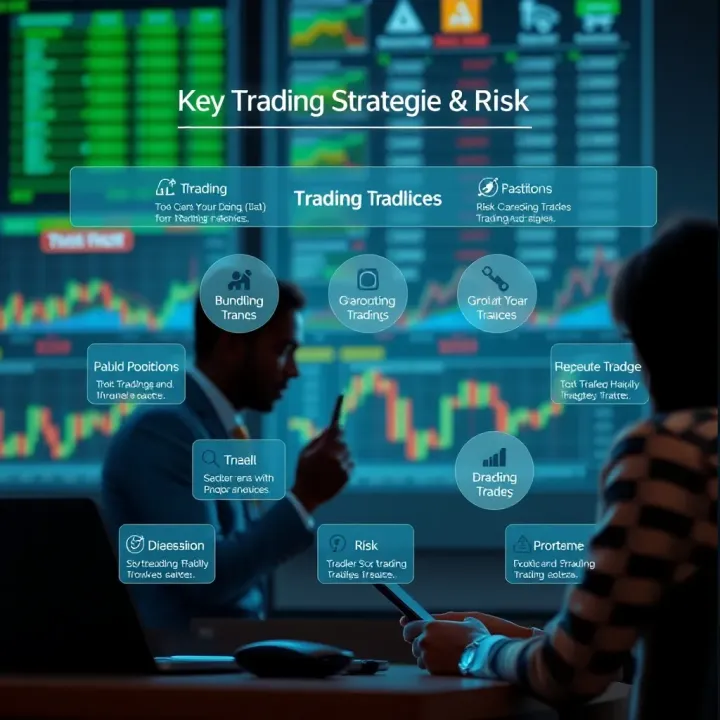
Successful online trading in Nigeria demands more than luck; it requires a solid grasp of effective strategies that help investors navigate volatile markets confidently. Knowing where to enter and exit trades, understanding a company’s real value, and managing risk are pillars that can transform trading from guessing to calculated decisions. Let's break down these key strategies for sharper, smarter investing.
Using charts and indicators is central to technical analysis, which involves studying market data through visual tools to spot trends. Traders use charts like candlestick and line charts to see price movements over time. Indicators such as moving averages, Relative Strength Index (RSI), and Bollinger Bands help traders judge market momentum, overbought or oversold conditions, and potential reversals. For example, spotting a rising moving average could signal a buying opportunity in NGX stocks.
Identifying entry and exit points means deciding exactly when to buy or sell based on chart patterns and technical signals. This precision helps limit losses and secure profits. Say you notice a stock's price breaking resistance—a point where price repeatedly struggles to rise above—this break may indicate a good entry point, anticipating further climb. Conversely, recognising support levels and reversals helps decide when to exit and avoid steep losses.
Evaluating company health involves digging into financial statements, profit margins, debt levels, and management quality to assess if a stock is fundamentally strong. For Nigerian investors, examining companies listed on NGX closely for earnings reports and how they handle economic challenges provides clues on long-term viability. For instance, a bank showing steady profit growth despite naira volatility signals resilience.
Economic factors affecting markets include interest rates, inflation, government policies, and geopolitical events. In Nigeria, CBN’s monetary decisions and inflation rates deeply impact sectors like agric and manufacturing. Understanding these factors lets traders anticipate market reactions. For example, a hike in interest rates might depress bank stocks but lift insurance firms benefiting from higher premiums.
Setting stop-loss and take-profit orders helps protect investments by automating exits at predetermined price levels. A stop-loss order limits potential loss by selling if price falls below a certain point, while a take-profit locks in gains when a target price is hit. For instance, entering a forex trade on the naira/dollar pair with a stop-loss at 5% below entry limits downside during high volatility.
Diversifying investment portfolio means spreading funds across different assets or sectors to reduce risk exposure. Nigerian traders often mix NGX stocks with forex or cryptocurrency to balance potential returns against volatility. For example, investing in blue-chip stocks alongside low-cost crypto assets can provide a cushion if one market dips sharply.
Mastering these strategies will give Nigerian investors an edge, helping to turn market moves into consistent results and avoid common trading pitfalls.
With the right blend of technical insight, fundamental knowledge, and solid risk control, online trading becomes a more disciplined and promising venture even in Nigeria’s dynamic financial scene.
Managing risks effectively is vital for anyone venturing into online trading in Nigeria. Markets can shift quickly, influenced by local economic changes, geopolitical events, or even fuel scarcity affecting broader market sentiment. Avoiding common pitfalls not only protects your capital but also enhances your ability to make informed decisions over time. Practising risk management can save investors from heavy losses, especially in volatile environments like the forex or cryptocurrency markets popular among Nigerian traders.
Verifying broker licences is a first step every trader in Nigeria should take seriously. Legitimate platforms must be registered with the Securities and Exchange Commission (SEC) Nigeria, which regulates the capital markets. Before funding your account, confirm the broker’s licence status via SEC’s official database or recognised financial watchdogs. For example, a broker claiming unlimited returns with no regulatory oversight is a major red flag. A well-licensed broker often provides transparency on their website and readily shares verification documents if requested.
Recognising red flags can protect you from falling victim to fraudulent platforms. Common warning signs include promises of guaranteed profits, pressure to deposit large sums quickly, and lack of clear contact information or customer support. Some dodgy brokers may also have poor website design and use generic testimonials without verifiable identities. Nigerian traders often report issues with platforms that have unexplained downtime or delays in withdrawal of funds. Always proceed with caution and trust your instincts if something feels off.
Strategies to cope with price swings involve using stop-loss orders to limit potential losses and setting take-profit points to lock gains. In markets like forex or cryptocurrency, prices can oscillate wildly within minutes based on factors like naira exchange rate shifts or global oil prices. A practical approach involves trading smaller position sizes or diversifying across several assets to reduce exposure to sudden drops. For instance, while trading NGX stocks, spreading investment across banking, consumer goods, and tech stocks can help cushion unexpected dips in one sector.
Using demo accounts for practice is a useful method to familiarise yourself with market behaviours without risking real money. Most reputable platforms offer demo accounts with virtual funds, allowing you to test strategies and understand platform features under actual market conditions. Nigerian investors new to forex or stocks can take advantage of demo trading to build confidence before committing naira. Demo trading also helps one experience volatility firsthand, reinforcing sound risk controls before going live.
Sticking to your trading plan keeps emotional impulses at bay. Successful trading requires discipline; having a written plan with clear entry, exit, and risk limits prevents rash decisions during market swings. For example, if your plan states to exit a forex trade at a 3% loss, avoid the temptation to hold on waiting for recovery. Nigerian traders who stick to their plans tend to preserve capital and gradually improve their returns.
Avoiding impulsive decisions is key to long-term success. Sudden market news or fear of missing out (FOMO) can lead to hasty trades that ignore analysis and risk tolerance. It helps to pause and review why you want to enter or exit a position, sticking to proven strategies rather than chasing quick wins. Many Nigerian investors have lost sizeable funds by reacting to unverified tips circulating on social media during ember months or election periods. Keeping cool, staying informed, and following the plan goes a long way in navigating the unpredictable nature of online trading.
Managing risks and avoiding common pitfalls helps Nigerian traders protect their capital and stay on course for steady growth in the dynamic world of online trading.
For Nigerian investors entering the world of online trading, practical advice plays a significant role in navigating local challenges such as naira fluctuations, payment system limitations, and fast-changing market conditions. This section focuses on hands-on tips that help traders avoid unnecessary hitches, fund accounts smoothly, stay aware of relevant news, and make optimum use of fintech tools shaping Nigeria's trading environment.
Using local payment methods offers convenience and cost-effectiveness for Nigerian traders. Many online brokers now accept payments through Nigerian banks and popular channels such as USSD codes, bank transfers, and mobile money wallets. For example, using GTBank’s USSD to fund a trading account is faster and more reliable than international wire transfers that can attract higher fees and cumbersome clearance times.
Additionally, some platforms partner with local payment processors, making it possible to deposit directly from your Nigerian bank account in naira (₦). This reduces exposure to forex rate volatility when funding accounts and helps prevent unexpected delays that could disrupt timed trades.
Converting naira securely is critical when trading on global platforms that demand foreign currency deposits. Always use reputable Exchange Operators or fintech services that offer competitive rates and comply with Central Bank of Nigeria (CBN) regulations. Avoid unofficial forex swap markets, as these expose your funds to fraud and unstable rates.
Services such as Flutterwave and Paystack sometimes facilitate secure conversion while ensuring full regulatory compliance. You can monitor the CBN’s official exchange rates to time your conversions and ensure you receive a fair value for your naira, particularly when managing larger sums.
Reliable Nigerian financial news sources are a must for traders who want timely insights about events affecting the Nigerian Exchange (NGX), naira fluctuations, or CBN policy changes. Sources like BusinessDay, Nairametrics, and The Guardian Nigeria offer daily updates tailored for investors.
These platforms break down complex news into actionable insights about sectors such as banking, oil and gas, and fintech, allowing traders to adjust strategies based on local economic data.
Using alerts and trading tools ensures you never miss critical market movements. Nigerian brokers and financial apps often provide customizable alerts via SMS or mobile notifications. For example, setting an alert for a share price dip on NGX or a sudden forex volatility provides the chance to respond quickly.
Moreover, many online platforms offer integrated charting tools and automated signals that assist traders in spotting trends without sifting through overwhelming data. These tools help especially during volatile periods when timely action limits losses.
Integrating with services like Paystack and Flutterwave makes payments and fund transfers seamless for Nigerian users. These fintech solutions support instant deposits and withdrawals, merging directly with many trading platforms. They also reduce transaction costs compared to international payment systems.
By connecting your trading accounts to these fintech services, you benefit from speed and convenience. This is especially valuable when managing investments during volatile times where speed determines profit or loss.
Using mobile alerts and automated trading features adds another layer of advantage for Nigerian traders. Mobile alerts keep you plugged into your portfolio’s real-time performance, while automation tools can execute trades based on pre-set conditions.
For instance, a stop-loss order can trigger automatically if a stock price falls to a certain level, protecting your capital without needing to monitor the market 24/7. Such technologies bring professional-grade trading closer to everyday investors.
Taking care of funding, staying updated with credible news, and embracing fintech not only supports your trading journey but also increases your confidence to engage seriously in online markets despite Nigeria's unique financial environment.
By paying attention to these practical tips, Nigerian investors can minimise risks related to currency conversions and payment delays, keep themselves informed and react fast during market swings, and use fintech apps efficiently to boost trading success.
Looking for the best online trading platform in Nigeria? Discover top features, security tips, costs, and tools to match your trading style and grow safely 📊💻🇳🇬
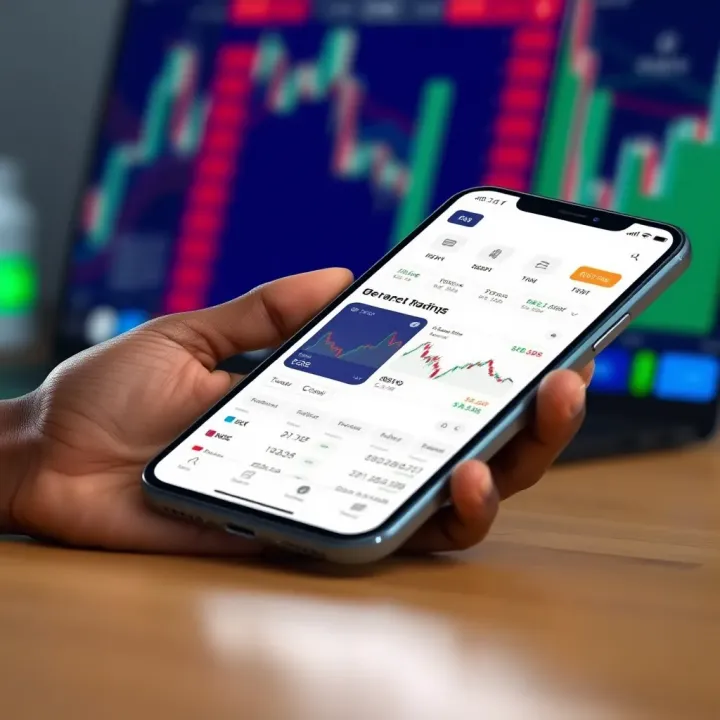
Discover how to pick the best online trading app for Nigerian investors. Compare fees, security, and user-friendly features for smart trading choices 📱💹
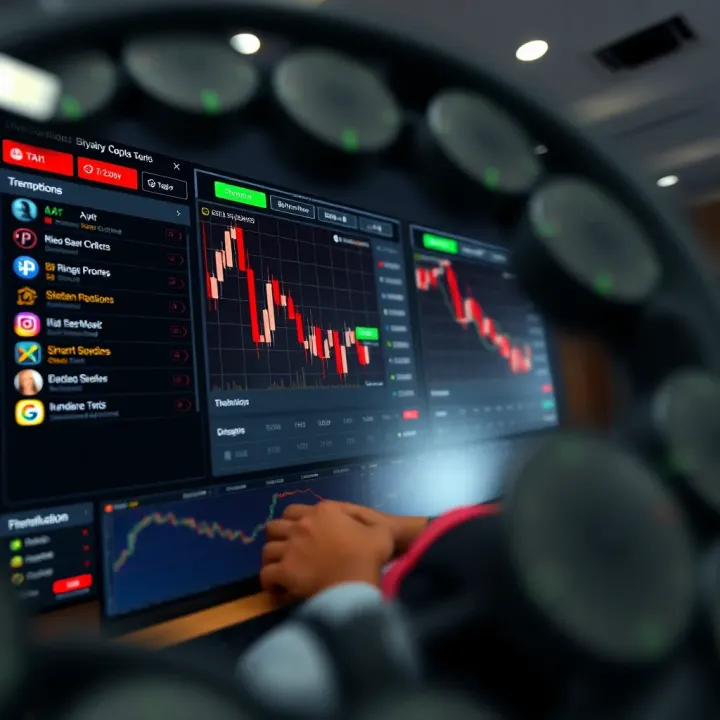
🔍 Explore binary options trading platforms tailored for Nigerian traders. Learn how to pick platforms, understand risks, and boost your trading skills effectively.
Discover top Nigerian forex traders' strategies, success tips, and market insights 🇳🇬📈 Navigate risks and regulations to boost your trading skills!
Based on 7 reviews