
BingX Exchange: Nigerian Traders’ Complete Guide
Discover BingX Exchange's trading options, security, and fees tailored for Nigerian crypto traders 🇳🇬. Learn how to register and trade confidently today! 💹
Edited By
Sophie Mitchell
Bitcoin signals serve as practical alerts or hints for traders, signalling when it might be a good time to buy or sell bitcoin. For Nigerian traders navigating the often volatile cryptocurrency market, understanding these signals can shape better trading decisions, help manage risks, and potentially increase profits.
These signals typically emerge from technical analysis, market trends, and expert insights. For example, a signal may indicate that bitcoin's price is about to surge based on patterns in trading volume or price movement. Nigerians using platforms like Binance Nigeria or Luno can benefit by acting swiftly on such signals to optimise their trades.
There are various kinds of bitcoin signals:
Buy signals: Indicate a good opportunity to purchase bitcoin.
Sell signals: Suggest it's time to sell to avoid losses or secure profits.
Hold signals: Advise maintaining current positions, often when the market is uncertain.
These signals come from sources like automated trading bots, financial analysts, or community groups specialising in crypto. While some traders subscribe to paid signal services, others rely on free channels or develop their own strategies using charts and indicators.
Remember, not every signal guarantees success. Nigerian crypto markets can be influenced by local factors such as naira exchange rates fluctuations, regulatory announcements by the Central Bank of Nigeria (CBN), or daily internet connectivity challenges.
The accuracy of bitcoin signals varies. Some are based on complex algorithms scanning market data, while others stem from human analysis or crowd sentiment. Nigerian traders should verify signals through reliable platforms and avoid those promising unrealistic returns or using aggressive marketing.
In practice, signal-driven trading demands discipline. For instance, if a signal shows a bullish trend, a trader might set a target price to sell once the desired profit is reached, considering transaction fees and possible taxes by the Federal Inland Revenue Service (FIRS).
Understanding bitcoin signals is more than following alerts. It requires grasping market context, assessing risk, and adapting strategies to Nigerian realities. This guide will unpack these elements to help you trade smarter and protect your investments.
Bitcoin signals act as alerts that suggest when to buy or sell bitcoin based on market data and analysis. For Nigerian traders navigating the crypto market, these signals offer practical guidance amid volatile price swings and limited local information. Signals help traders make timely decisions without having to monitor charts constantly.
Bitcoin signals provide entry and exit points for trades, showing when to purchase bitcoin at favourable prices and when to sell to lock in profits or prevent losses. For instance, a signal might advise Nigerian traders to buy bitcoin when its price dips below ₦20 million but to sell if it rises above ₦23 million. This helps remove guesswork and emotional trading decisions.
Indicators are raw data tools like moving averages or volume metrics, while signals are specific alerts generated from these indicators or other analyses. Signals often combine several indicators to deliver clear instructions such as "buy now" or "sell soon." For example, an RSI (Relative Strength Index) indicator might show bitcoin is oversold, but a signal integrates this with price trends to recommend action.
Bitcoin signals are components of broader trading strategies, helping traders automate or refine their plans. A novice investor might rely on signals as entry rules, while an experienced trader weighs them alongside personal research and risk management. Effective use of signals requires understanding that they complement rather than replace sound trading principles.
These signals are based on chart patterns, price trends, and statistical indicators. Common examples include signals generated when bitcoin breaks resistance levels or when the Moving Average Convergence Divergence (MACD) line crosses a signal line. Nigerian traders often use these signals to spot trends early, which is crucial in a market affected by sudden naira fluctuations.
Fundamental signals consider economic factors, blockchain activity, or regulatory news. For example, a spike in bitcoin transaction volume or news of a regulatory change by the Central Bank of Nigeria (CBN) can trigger fundamental signals advising traders to buy or sell. These signals tend to highlight longer-term shifts rather than immediate price moves.
Market sentiment shaped by social media trends, news, or public opinion also influences bitcoin prices. Signals derived from sentiment analysis might warn traders about bull or bear phases driven by hype or panic. For example, an upsurge in Nigerian social media buzz about bitcoin adoption can drive a positive sentiment signal, prompting traders to consider buying.
Understanding the types and purpose of bitcoin signals prepares Nigerian traders to apply them smartly, adapting to the unique market dynamics at play.
Understanding where bitcoin signals originate helps Nigerian traders choose reliable sources and make informed decisions. Signals can come from human experts or automated systems, each with its own strengths and limitations. Knowing these sources improves your ability to interpret and integrate signals into your trading plan.
Experienced traders and analysts offer signals based on deep market knowledge and personal observation. These individuals often track price movements, news events, and market sentiment closely. For instance, a seasoned analyst might monitor global trends like US Federal Reserve announcements or Nigeria’s naira exchange rates to predict bitcoin price shifts. Their insights can provide context that pure numbers miss, such as how political developments in Nigeria might influence crypto demand.
Telegram and WhatsApp groups play a significant role in how Nigerians receive bitcoin signals. Many active trading communities exist on these platforms, making it easy to get real-time alerts and peer opinions. These groups often discussion live market movements, fresh analysis, and sometimes, direct signals. However, not all groups are trustworthy; some may share biased or misleading tips. Nigerian traders benefit by joining well-reviewed communities and cross-checking signals before acting.
Algorithmic trading software uses set rules and market data to send automated signals. These bots analyze price charts, trade volume, and other technical indicators in seconds—much faster than a human. For example, a bot might trigger a buy signal when bitcoin’s moving average crosses a specific threshold. Nigerian traders can access these tools through apps or broker platforms that support algorithmic strategies, helping them react promptly to market changes.
Subscription services and platforms offer curated bitcoin signals generated either by algorithms, experts, or a mix of both. Subscribers pay a fee to receive these signals via emails, apps, or messaging services. In Nigeria, some fintech startups and international platforms provide easy access to such services. Using subscriptions can save time and add discipline to trading but always demands vetting of providers to avoid scams or low-quality signals.
Knowing exactly where your bitcoin signals come from helps you use them wisely and avoid costly mistakes, especially in Nigeria’s fast-changing market.
Human experts bring experience and local context
Online communities offer peer support and quick updates
Automated bots provide speed and technical precision
Subscription platforms give structured, regular signals
By combining these sources smartly, Nigerian traders can enhance their chances of success in bitcoin trading.
When trading Bitcoin in Nigeria, assessing the reliability of signal providers is essential. Poor information can lead to costly errors, while dependable signals can improve your decision-making and profits. Therefore, understanding how to evaluate these signals saves your time and ₦ investment.
Evaluating signal providers' past track record helps understand their consistency but cannot guarantee future success. For example, a Telegram channel that posted accurate buy and sell signals over the last six months may seem trustworthy. However, cryptocurrency markets are highly volatile, so historical accuracy might not hold, especially during unforeseeable events like sudden naira devaluation or new government regulations.
That said, past performance provides a starting point. Nigerian traders should look for providers sharing verifiable results over an extended period rather than flashy one-time gains. This long-term view helps you separate signal services with steady strategies from those relying on luck or manipulation.
To confirm a provider’s success rate, demand transparency. Reliable signal services often share detailed records of entries, exits, and profit/loss outcomes. For instance, a platform that uploads screenshots or trading history helps you cross-check actual gains versus claims. Avoid services that only highlight wins but ignore losses.
Also, consider independent reviews from other Nigerian traders on platforms like Nairaland or specialised crypto forums. Combining these with your own trial of signals — ideally with small amounts — lets you gauge real performance within the local market context.
Unfortunately, scams remain common. Some signal providers promise guaranteed profits or insider information to attract subscribers. They often charge upfront fees and disappear or flood you with vague advice. Nigerian traders should be wary of such guarantees, especially on unofficial Telegram or WhatsApp groups.
Beware of signals that push immediate, high-risk trades without explaining the reasoning. Legitimate providers are clear about risks and use proper risk management recommendations. Check whether the provider is registered or monitored by Nigerian authorities or well-known crypto communities.
Relying solely on signals without conducting your own research can lead to losses. Signals should guide, not replace, your market understanding. Nigerian markets are affected by factors like naira fluctuations, local bank policies, or even power supply issues that automated signals might miss.
Traders who blindly follow signals tend to miss learning opportunities and adaptability needed for volatile markets. Use signals as one input alongside your analysis of charts, news, and economic indicators. That balance improves your judgment and safeguards your investment.
Trustworthy bitcoin signals can boost your trading success, but always evaluate providers carefully and combine their advice with your own research to avoid pitfalls common among Nigerian traders.
By focusing on these factors, Nigerian traders can better navigate the crowded signal space and protect their ₦ investments from unreliable or fraudulent sources.
Using bitcoin signals effectively requires more than just following recommendations blindly; it involves integrating them sensibly within your overall trading plan and considering local market nuances. Nigerian traders face unique challenges like naira volatility and evolving regulations, so a tailored approach helps to make signals truly useful.
Setting realistic goals and stop-loss orders is crucial for protecting your capital and maintaining discipline in trading. For example, if a signal suggests buying bitcoin at ₦25 million, you should define your exit strategy beforehand—whether you aim for a 5–10% profit or want to limit losses to 2–3%. Stop-loss orders help you exit losing trades automatically, reducing emotional decisions during sudden price swings. Setting these limits aligns your risk with what you can comfortably afford to lose, preserving funds over time.
Balancing signals with market research strengthens your decision-making process. Bitcoin signals might show a promising entry point, but checking current news around global events, local exchange rates, or market sentiment in Nigeria adds depth to your choice. For instance, during ember months, increased volatility is common due to market cycles and festive spending, so signals need to be weighed alongside these factors. Combining technical signals with your own analysis reduces chances of falling for misleading tips.
Impact of naira exchange fluctuations cannot be overlooked. Since bitcoin trades globally in US dollars, sudden naira devaluation can drastically affect your investment’s naira value. For example, buying bitcoin during a naira dip might seem expensive, but if you hold through a forex recovery, your gains could multiply when converted back to naira. Understanding these currency movements helps you time your trades or decide when to convert profits into local currency.
Effect of local regulations and bank policies shapes how easily you execute trades and access funds. Nigerian banks intermittently restrict crypto-related transactions due to regulatory concerns, so relying solely on bank transfers for bitcoin purchases can be cumbersome. Staying updated on Central Bank of Nigeria (CBN) pronouncements and adapting by using fintech platforms like Paystack or Flutterwave for funding your crypto wallets can smooth out transactions. Failure to consider these constraints might leave you stuck with signals that can’t be actioned promptly.
Real success with bitcoin signals comes when you treat them as part of a bigger trading strategy tailored to Nigeria’s unique market environment.
Combining smart goal-setting, continuous market monitoring, and local awareness builds a practical framework. This approach not only helps reduce losses but also optimises profit potential amid Nigeria’s dynamic trading conditions.
Choosing the right tools and platforms significantly impacts the success of bitcoin trading in Nigeria. Popular platforms cater to local payment methods, offer secure transaction environments, and provide timely access to trading signals. The rapidly evolving fintech space means Nigerian traders have access to diverse options that combine ease of use with advanced features.
Telegram channels and WhatsApp broadcasts remain the primary sources for bitcoin signals among Nigerian traders. These platforms provide real-time updates in groups or channels, facilitating quick decision-making. Many Nigerian traders subscribe to Telegram channels hosted by veteran analysts or local crypto communities, benefiting from discussions that contextualise signals based on Nigerian market peculiarities like naira volatility or CBN policies.
WhatsApp broadcasts serve a similar role but tend to be more private or invitation-only, enhancing security for subscribers. The convenience of mobile messaging apps means traders receive timely alerts even during daily commutes through traffic-heavy Lagos or Abuja, ensuring they don’t miss critical trading windows. However, traders must carefully vet these channels to avoid scams or unreliable signals common on open groups.
Mobile apps with push notifications offer a more integrated approach. Apps like Binance, Luno, and local platforms such as BuyCoins or Bundle provide built-in alert systems that notify users about price movements, signal updates, and market trends. Push notifications allow traders to respond promptly without constantly checking apps or chats, a crucial benefit given the market’s rapid pace.
These apps often bundle charting tools, news feeds, and portfolio trackers, meaning traders can monitor their entire bitcoin strategy from a single interface. Nigerian traders appreciate this feature because it reduces data costs and time spent juggling multiple sources, which is vital given frequent power outages and intermittent internet connections.
Local exchanges with signal features have gained traction in Nigeria’s crypto ecosystem. Platforms like BuyCoins and Quidax have started integrating signal alerts directly into their trading dashboards. This integration streamlines the process, enabling traders to act on signals within the same platform where they hold their wallets and execute trades. It eliminates the risk of losing out due to delays between receiving signals on external apps and manually placing orders.
Additionally, these local exchanges often support naira deposits and withdrawals via bank transfers or USSD codes, making it easier for traders to follow signals without waiting for complex international processes. Nigerian traders benefit by minimising the exposure to currency conversion fluctuations and bank transfer delays, which can affect the profitability of trading signals.
International platforms like Binance and Luno remain popular among Nigerian bitcoin traders for their robust signal integration and extensive trading tools. Binance offers advanced charting, customisable alerts, and access to its dedicated signals marketplace and trading bots that help automate strategy execution.
Luno, which has a strong Nigerian presence, provides easy onboarding, local naira wallet integration, and signal alerts via its app notifications. These international platforms also support cross-border transactions and liquidity, allowing Nigerian traders to tap into global bitcoin movements while managing local constraints.
Access to reliable tools and platforms shapes how effectively Nigerian traders can act on bitcoin signals. Combining familiar messaging apps for alerts with smart trading platforms ensures quicker, safer trading decisions in a volatile market.
Telegram and WhatsApp channels are vital for community-driven signals but require caution against scams.
Mobile apps with push notifications help traders react swiftly and reduce dependence on multiple apps.
Local exchanges integrating signals simplify trading for Nigerians by supporting naira payments and faster execution.
International platforms like Binance and Luno provide advanced features and global reach alongside local usability.
This mix of tools suits Nigerian traders navigating both local challenges and global crypto market dynamics.
Understanding the pitfalls when using bitcoin signals is vital for Nigerian traders aiming to protect their investments and make informed decisions. Many traders rush into following signals without appreciating the broader market context or managing their risks properly. This can lead to losses, frustration, and a misguided sense of security.
Nigerian traders often face sudden price swings during ember months—from September through December—when market activity intensifies, and global uncertainties peak. For example, local festivals like Christmas and Sallah can prompt increased spending, affecting currency flows and bitcoin prices. Traders who blindly follow signals during these volatile periods without considering such factors risk being caught on the wrong side of price jumps or dips.
Besides local factors, global crypto market shocks can ripple quickly into the Nigerian scene. Events like sudden regulatory announcements in countries such as the US or China, or major hacks at international exchanges, send bitcoin prices tumbling or soaring within hours. Signals generated before such shocks might become obsolete fast. Hence, staying updated with global news is as crucial as checking signals.
Ignoring these volatility drivers can turn a promising bitcoin signal into a costly mistake.
A common trap is chasing signals promising unrealistic returns or "guaranteed" profits. Some services lure traders with bold claims of effortless ₦5 million gains in a week. Nigerian traders should be sceptical of such promises. Real trading requires patience and sober analysis, not blind faith in fancy signals.
Ignoring position sizing and risk management multiplies dangers further. Even strong signals can lead to heavy losses if you risk too much of your capital on one trade. For instance, placing 50% of your portfolio based on a single signal without stop-loss orders is reckless. Smart traders use signals as guides but set strict limits—like risking just 1–2% per trade and sticking to a clear exit plan.
By avoiding these mistakes, Nigerian bitcoin traders can better navigate the unpredictable market, protecting their ₦ investments and growing confidence.
Always consider local and global volatility factors when acting on bitcoin signals.
Stay updated with news events that might undermine signal reliability.
Be cautious of signals promising unrealistic profits; there’s no shortcut in trading.
Use proper risk management tools like position sizing and stop-loss orders to safeguard capital.
By doing this, signals become part of a healthy trading strategy rather than a risky gamble.
Using bitcoin signals can provide Nigerian traders with valuable insights, but relying solely on them without personal skill development and cautious judgement can lead to losses. This section highlights why balancing signal use with your own trading skills matters and offers practical advice on safeguarding your investments.
Continuous learning about blockchain and market trends is essential for any trader who wants to benefit fully from bitcoin signals. The crypto market moves quickly, influenced by global events, regulations, and technology updates. For instance, when Nigeria’s Central Bank introduced restrictions on crypto transactions, traders who understood the implications adjusted their strategies faster than those who depended only on signals. Keeping up with developments through reputable sources, industry reports, or expert webinars helps you interpret the signals better and avoid blind spots.
Building confidence through practice is the next key step. No signal service will guarantee success every time, so practicing how to execute trades, manage positions, and respond to market changes sharpens your ability. Nigerian traders can start with small amounts on platforms like Binance or Luno to test how signals play out in real markets before committing larger funds. Over time, this practical experience builds confidence to blend signals with your own insights rather than following alerts uncritically.
Only trusting verified services protects you from falling into scams or poor-quality signals. Nigeria’s crypto space has seen scammy Telegram groups promising unrealistic returns, eventually disappearing with traders’ funds. Always verify a signal provider’s track record, look for transparent performance data, and avoid services requiring huge upfront payments. Platforms with community reviews or those affiliated with legitimate fintech firms carry more credibility.
Never risking more than you can afford to lose is crucial to managing the inherent volatility of bitcoin trading. Even the best signals fail at times, and sudden market swings—during periods like the ember months or global crypto shocks—can wipe out investments quickly. Nigerian traders should decide on a risk level comfortable for them upfront, often a small percentage of their total portfolio, to avoid emotional decisions or financial hardship.
When using bitcoin signals, treat them as helpful advice, not a magic bullet. Combine ongoing education, practical experience, and caution to trade more effectively in Nigeria’s unique market.
By focussing on responsible use, Nigerian traders can make bitcoin signals a useful tool rather than a crutch, steadily improving their investing journey over time.
Discover BingX Exchange's trading options, security, and fees tailored for Nigerian crypto traders 🇳🇬. Learn how to register and trade confidently today! 💹
🌍 Explore Trade Nation, the online platform for Nigerian traders to access stocks, commodities & currencies. Learn about account types, fees & safe trading tips.
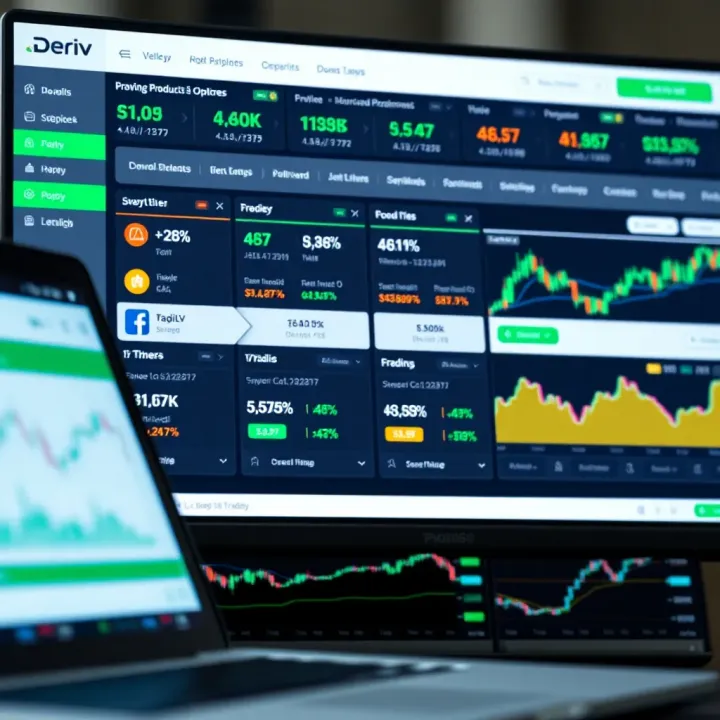
Explore Deriv's features, accounts, and regulation 🇳🇬 to trade safely in Nigeria. Learn products offered and tips for smart investing 📊💡
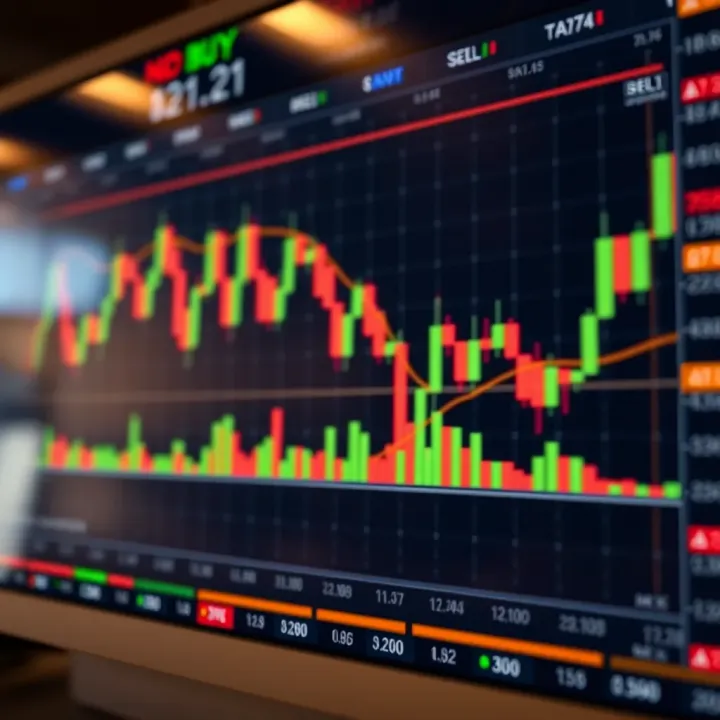
📈 Discover how trading signals work and their types. Learn practical tips to help Nigerian traders improve decisions and manage risks effectively.
Based on 5 reviews