
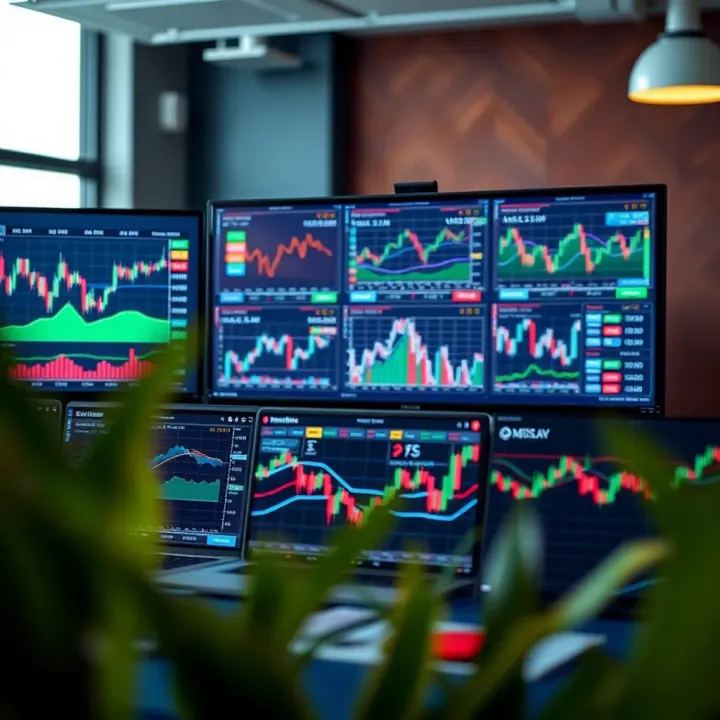
Choosing the Best Trading Platform Worldwide
Discover top trading platforms for Nigerian traders! 🚀 Compare features, costs, security, and support to pick one that matches your style and goals. 💹
Edited By
Isabella Turner
Demo trading apps provide a straightforward way for Nigerian investors to practise buying and selling assets like stocks or forex without risking real money. These platforms simulate actual market conditions using live or delayed data, allowing users to get the feel of trading without financial loss.
For many new traders, demo apps serve as a practical training ground, helping them test strategies and understand market swings before committing any cash. Experienced investors can also use demo accounts to trial new tactics or familiarize themselves with user interfaces of different brokers.
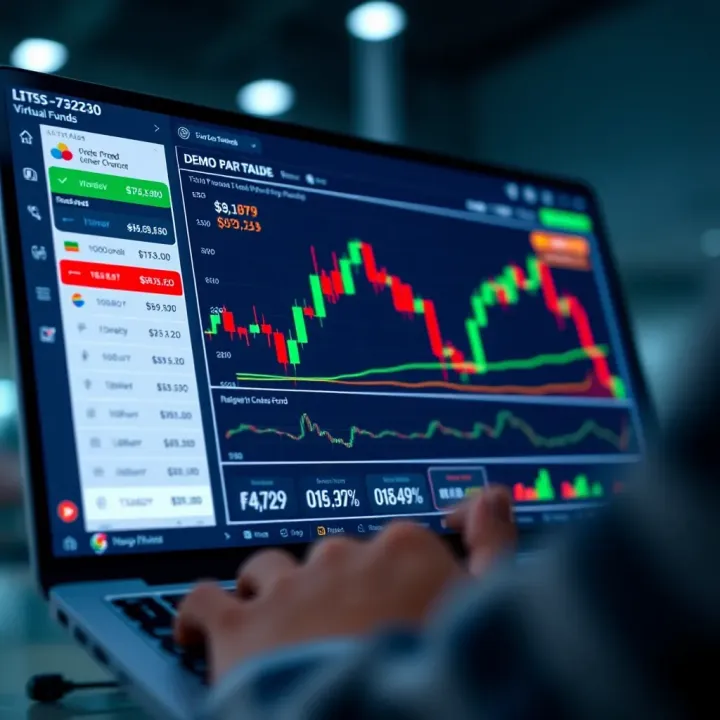
These apps typically come with virtual currency—often ₦100,000 or more—to trade various instruments. Using such virtual funds, you can place orders, set stop-loss or take-profit points, and monitor your portfolio’s performance just like in real trading.
Using a demo app is like hiring a flight simulator before piloting a real plane: it builds confidence steadily while minimising risk.
A few key features you can expect from typical demo trading apps include:
Real-time or near real-time market pricing from Nigerian or global exchanges
Access to multiple asset classes such as equities, forex, commodities, and sometimes cryptocurrencies
Tools for technical analysis and charting
Educational resources integrated within the app
Common examples used in Nigeria include the demo accounts by brokers like Chaka, Merit.ng, and international platforms like MetaTrader 4 or TradingView. These provide comprehensive environments where both beginners and pros can sharpen their skills.
In summary, demo trading apps allow you to practice investment decision-making without the stress of losing money. They help you build discipline, test how you react to market volatility, and gradually prepare you for live trading. If you are considering entering Nigeria’s growing investment space, starting with a reliable demo platform could save you from common pitfalls and jump-start your journey with greater understanding.
Demo trading apps are digital platforms that allow investors and traders to practise buying and selling financial assets without using real money. They give you a chance to get accustomed to market dynamics and trading tools while carrying no financial risk. In Nigeria, where many are still cautious about entering live markets due to naira volatility and high inflation, these apps offer a safe environment to build skills.
Simply put, demo trading apps simulate the experience of trading stocks, forex, commodities, or cryptocurrencies, but with virtual funds instead of actual naira. For example, an app might credit you with ₦1,000,000 in virtual money from the start. You then place orders, monitor price movements, and manage your portfolio exactly as you would in a live market. The key is that your balance remains unaffected by real-world losses or gains.
These platforms are designed both for beginners who want to understand how market prices move and for seasoned traders testing new strategies before committing real capital. Apps like eToro, Plus500, and local Nigerian fintech tools provide demo accounts that mirror their live trading interfaces, enabling seamless transition.
What makes demo trading apps particularly useful is their ability to replicate real market conditions. They pull live market prices and sometimes even mimick market volatility, economic events, and trade execution delays. This level of realism matters because it lets you experience key trading challenges without risking your hard-earned money.
For instance, if Nigeria’s Central Bank (CBN) announces a major policy change causing the naira to swing sharply, a quality demo app updates asset prices accordingly in real-time. You can practise reacting to such events, testing how limit orders behave under fast-moving markets or how margin calls might be triggered.
The takeaway: a demo trading app is like a pilot’s flight simulator — it prepares you for the real thing, helps sharpen your judgement, and reveals your emotional reactions to gains and losses.
Users should also be aware that while demo apps offer authentic price data, they do not fully replicate psychological pressure or liquidity issues present in real trading. Plus, some apps might delay price feeds slightly or oversimplify spreads, so real-world trading can feel a bit different.
In summary, demo trading apps provide a practical, risk-free way to learn how markets work in Nigeria and beyond. They are essential for gaining hands-on experience with trading platforms and understanding market behaviour before placing actual bets with naira funds.
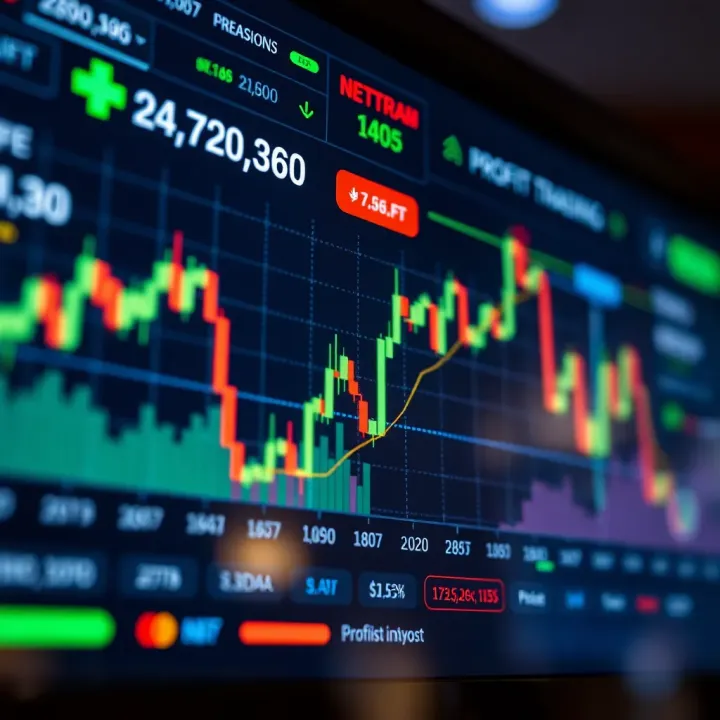
Demo trading apps serve a wide range of investors in Nigeria, from complete beginners to seasoned traders. Knowing who benefits most can help you decide if these platforms fit your trading goals and experience level.
For beginners, demo trading apps are like a practice field before the big game. Many Nigerians new to investing often feel overwhelmed by stock market jargon, price charts, and volatile market trends. A demo app helps them get hands-on experience without risking their hard-earned naira. It is particularly useful during the early stages of learning how to trade shares, forex, or commodities.
Take, for example, a young graduate who just completed NYSC and wants to try investing in the Nigerian Stock Exchange (NGX) but fears losing money. By using a demo app, this investor can place virtual orders, watch how market events affect prices, and learn to read candlestick charts. This practice sharpens their understanding of trading fundamentals and builds the confidence necessary to handle real money later.
Moreover, beginners can use demo apps to understand how orders are executed, how transaction costs work, and the impact of market timing. Without this safe space to experiment, many new investors might jump into the market with no clue, increasing their chances of costly mistakes.
Demo trading apps are not just for novices. Experienced traders also find them valuable for testing new strategies or adjusting to changing market conditions. Nigerian traders who have been successful in equities but want to explore forex or cryptocurrency markets often use demo platforms to test various options without financial risk.
Consider a trader in Lagos who follows technical analysis patterns closely. Before applying a new moving average crossover strategy on live accounts, they can run the same setup on a demo app to see how it performs on historical and live market data. This testing allows them to evaluate profitability, timing, and risk management aspects without impacting their capital.
Similarly, traders who have faced recent losses may turn to demo apps to regain confidence and discipline. They can practise setting stop-loss orders, managing position sizes, and adapting to volatile Nigerian market conditions influenced by naira fluctuations or political events.
Demo trading apps provide a risk-free environment for all levels of traders, allowing beginners to learn without fear and experienced investors to refine their strategies before committing real capital.
In short, whether you are just starting on the Nigerian Stock Exchange or an experienced trader exploring new ideas, demo trading apps offer practical benefits that can improve your trading skills and decision-making.
Choosing the right demo trading app means focusing on key features that shape your learning and practising experience as a trader in Nigeria. These features ensure the app not only reflects real market conditions but also suits your trading style and preferences. Whether you're a beginner or an experienced investor, these elements can shape how effectively you gain confidence before placing actual funds.
An effective demo trading app replicates the actual behaviour of financial markets, using real-time or near real-time data. This means when you watch stock prices, Forex pairs, or commodities, the figures move just as they would on the Nigerian Stock Exchange (NGX) or international markets. For example, if a company's share like Dangote Cement suddenly spikes due to a market event, the demonstration app should reflect that movement.
Beyond pricing, useful tools for analysis must be available. These include technical indicators such as Relative Strength Index (RSI), Moving Averages, and Bollinger Bands, which help you spot trading opportunities. Some apps also provide news feeds or economic calendar alerts that keep you updated on market-moving events, like CBN policy announcements or inflation reports. The absence of these makes learning poor and less practical.
Nigeria’s investors often juggle multiple demands and tight schedules, so an easy-to-navigate interface is vital. The app should feature clear layouts, with accessible menus and intuitive controls. Complicated designs can discourage consistent practice or cause errors during trades.
For instance, on platforms like the demo version of Trove or Bamboo, beginners find it easy to locate stock charts and place simulated orders quickly. A cluttered screen with all sorts of irrelevant tabs only distracts and wastes time. Features like drag-and-drop charts, quick order placement, and responsive customer help can add to a smooth user experience.
Nigerian investors benefit hugely from demo apps offering exposure to both local and international markets. Access to NGX-listed equities, government bonds, and the Nigerian Forex market lets you understand the home trading environment first-hand.
On the flip side, the world’s largest stock exchanges such as the NYSE, Nasdaq, or London Stock Exchange offer insights into global market dynamics. This helps diversify your trading strategies. Demo apps that support multiple markets allow you to practise trading US tech stocks like Apple or Tesla alongside Nigerian blue-chip shares.
When an app combines local realism with global reach, Nigerian investors can build skills to navigate multiple markets confidently, preparing for real-world trading.
In summary, prioritising realistic data, ease of use, and wide market access in demo apps creates a firm foundation for becoming a savvy trader. It’s not just about practising trades but doing so under conditions that mirror real life as close as possible.
Understanding the pros and cons of demo trading apps is vital for Nigerian investors aiming to sharpen their trading skills and avoid costly mistakes. While these apps offer a valuable risk-free platform, users must be wary of their constraints to make informed decisions when transitioning to live markets.
Demo trading apps provide a safe learning environment for both beginners and experienced traders. For instance, a newbie can practice buying and selling shares on the Nigerian Stock Exchange (now NGX) without risking real naira. This hands-on approach builds confidence and familiarity with market behaviour before committing actual funds.
Another advantage is the opportunity to test trading strategies without financial risk. An investor experimenting with technical indicators like RSI or MACD can see how their approach performs under different market conditions. Platforms such as MTN or Dangote Cement stock simulations allow this, helping refine decisions before scaling to real trades.
These apps also help users get accustomed to various trading tools and platforms. Many demo apps mimic popular Nigerian brokers’ interfaces, making the eventual switch smoother. Moreover, traders gain insight into order types, leverage effects, and market timing, crucial for any active trader.
Despite their benefits, demo trading apps have limitations Nigerian investors should keep in mind. Firstly, emotional detachment is a big gap. Since no real money is at stake, users often lack the psychological pressure that comes with live trading. This difference can lead to overconfidence or risky behaviour that doesn’t reflect real market temperament.
Secondly, demo accounts might not always capture real market liquidity and slippage. For example, executing a market order for a large quantity of shares might fill instantly on a demo, but in live markets—especially during volatile periods common in Nigeria—this may not happen as smoothly.
Lastly, some demo platforms use delayed or simulated data instead of real-time feeds, which can affect the accuracy of trades and strategy testing. This is particularly important for traders relying on rapid price movements or news-driven events from the Lagos or Abuja markets.
While demo apps are excellent learning tools, they are not perfect mirrors of live trading. Using them alongside other research and risk management practices will yield better results.
In summary, demo trading apps offer concrete benefits for Nigerian investors but come with notable limitations. The key is to approach them as a stepping stone—learning and testing before venturing into real trading with clear eyes and a firm plan.
Using a demo trading app without a plan is like driving a car aimlessly—you won’t reach your destination effectively. Setting clear goals and limits is the first step to make your practice count. Decide what you want to achieve with each session, whether it’s mastering the timing of entry and exit points or testing how different sectors react to news. For instance, if you aim to sharpen your understanding of how Forex pairs behave during economic announcements, concentrate your demo trades around those periods. Also, determine limits, such as a maximum number of trades or losses to accept, so you replicate the discipline needed in real trading.
Beyond the goals, practising discipline is vital on a demo platform. Treat your practice trades like real money transactions. Avoid tempting overtrading or chasing losses just because it’s not your actual capital on the line. Note your trades diligently—record entry price, exit price, reasons for the trade, and market conditions at the time. This record keeping might seem tedious but it’s what separates amateurs from serious traders. It allows you to review your decisions later and identify patterns in your strengths and mistakes. Use simple tools such as Excel or Google Sheets for tracking—there’s no need for complicated software at this stage.
Making the jump from demo to real trading often catches many off guard. How you transition will influence your success. Start with small amounts to test your comfort with live market emotions, especially the fear and greed that demo accounts won’t provoke. For example, if you’ve successfully traded ₦50,000 virtually, consider trading ₦5,000 or ₦10,000 in real markets to slowly build confidence and understand real liquidity and slippage effects. It’s also helpful to set realistic expectations; demo results might look flawless, but actual trading includes factors like transaction costs and sudden news which can impact outcomes.
To sum it up: clear targets, strict discipline, thorough records, and gradual real trading exposure form the backbone of a fruitful demo trading experience. This mindset prepares you better for the genuine market challenges ahead.
By following these steps, Nigerian traders can maximise their use of demo trading apps, paving the way toward more confident and educated investment decisions in real markets.
Discover top trading platforms for Nigerian traders! 🚀 Compare features, costs, security, and support to pick one that matches your style and goals. 💹
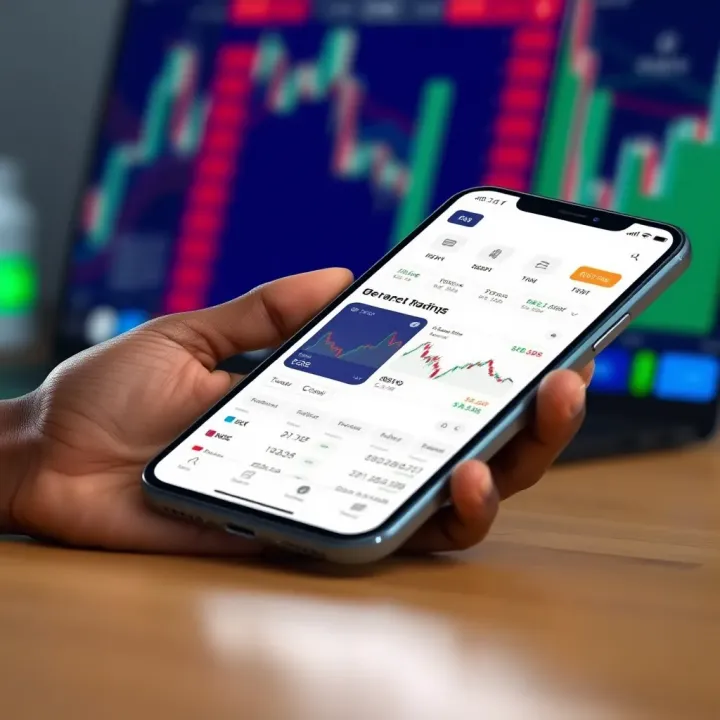
Discover how to pick the best online trading app for Nigerian investors. Compare fees, security, and user-friendly features for smart trading choices 📱💹

💹 Explore binary options trading in Nigeria! Learn how it works, strategies, risks, regulations 🇳🇬, and tips to trade wisely and stay safe.

📊 Learn practical tips and key strategies for binary option trading in Nigeria. Understand risks, regulations, and how to pick the right brokers successfully.
Based on 10 reviews