
Understanding Margin Level in Forex Trading
📊 Understand margin level in forex trading—learn how to calculate it, manage risks, avoid margin calls, and keep your trades safe in Nigeria’s market.
Edited By
Thomas Gray
Forex trading online has become increasingly popular among Nigerians seeking alternative investment opportunities. It allows traders to buy and sell currencies in the global foreign exchange market, directly from their laptops or phones at home. The appeal lies in its potential for profit, accessibility, and the flexibility to trade across different time zones.
However, forex trading is not a walk in the park. It demands solid understanding, disciplined strategy, and awareness of local conditions including the regulatory environment and currency volatility. Nigerian traders encounter specific challenges such as naira fluctuations, limited access to reliable forex brokers, and occasional restrictions on capital movement.
To get started, traders need to grasp basic concepts: currency pairs, leverage, pip movements, and order types. For example, the popular USD/NGN pair represents how many naira equal one US dollar, and trading this pair can be affected by Central Bank of Nigeria (CBN) policies or international events.
Choosing the right online platform is crucial. Globally recognised brokers like IG, Forex.com, and MetaTrader platforms are common choices, but Nigerians also use local fintech innovations cautiously. Verification processes often require Bank Verification Number (BVN) and identification to comply with anti-money laundering (AML) laws.
Proper risk management separates successful traders from the rest. Limit exposure by using stop-loss orders or trading with amounts you can afford to lose.
Key risks include market volatility, leverage magnifying losses, and scams from unlicensed firms. Traders must stay updated on economic indicators such as inflation rates and foreign reserves, which often drive currency moves.
This guide aims to equip Nigerian traders with practical tools and insights to navigate forex trading online confidently. Understanding market mechanics, utilising trusted platforms, and recognising the impact of local factors go a long way in smoothing the trading experience and protecting your ₦ investments.
Next, we will cover how to open your first trading account safely and the criteria for selecting a trustworthy broker.
Understanding the basics of online forex trading sets the foundation for any Nigerian trader aiming to succeed in the currency markets. This section breaks down how forex operates and what you need to know to even start trading confidently. Without clear knowledge of these fundamental elements, trading becomes a game of chance rather than skill.
Forex trading involves buying and selling currencies to make profits from changes in exchange rates. Unlike buying shares in a company, forex traders deal with pairs—like the US dollar against the euro (USD/EUR). The main goal is to buy a currency at a lower price and sell it higher or sell first and buy back cheaper later.
Think of forex as exchanging your Naira for US dollars when travelling abroad, hoping the rates move in your favour if you switch back later. Traders watch these shifts keenly, aiming to capitalise on small percentage moves that can add up over many trades.
Forex always deals with two currencies – the pair shows the rate at which one currency can buy the other. For example, if the USD/NGN pair is quoted at 460, it means one US dollar costs ₦460. The first currency in the pair is called the base currency, and the second is the quote currency.
Prices are displayed with two numbers: the ‘bid’ (what buyers pay) and the ‘ask’ (what sellers accept). The difference between them, called the spread, is one way brokers earn revenue. For Nigerian traders, understanding quoting formats helps know exactly how your trades affect your Naira balance.
Leverage means trading with more money than what you have by borrowing from the broker. For instance, if you have ₦50,000 and the leverage is 100:1, you can control a trade worth ₦5 million. This multiplies potential profits but also losses, so caution is key.
Margin is the amount of your actual money required to open a leveraged trade. If you don’t maintain the margin, the broker may close your position to prevent further loss — known as a margin call. Nigerian traders must carefully manage leverage to avoid wiping out their capital quickly, considering local market volatility and naira instability.
Brokers connect you with the global forex market. They provide trading platforms where you execute orders, access price charts, and use tools like stop-loss orders. Platforms like MetaTrader 4 or 5 allow you to analyse the market and trade from your laptop or phone.
In Nigeria, choosing brokers with proper licences and smooth NGN deposit/withdrawal processes is crucial. A broker’s reliability can make or break your trading experience. Platforms should offer fast execution, secure transactions, and customer support that understands local challenges such as intermittent internet or banking delays.
Forex trading boils down to understanding currency pairs, managing risk with leverage, and choosing the right broker to safely engage with the market.
Having these basics down will prepare you for the more advanced steps in your trading journey, from technical analysis to strategic trade management. Don't rush the fundamentals — they matter the most.
Selecting the right forex trading platform is a key step for Nigerian traders. The platform you choose affects how smoothly you can execute trades, access market data, and manage your capital. A reliable platform offers stability, speed, and user-friendly tools that help you make informed decisions. For example, having quick access to live charts and order placement can save you from losses during volatile market swings.
MetaTrader 4 and 5 are among the most widely used platforms in Nigeria. MetaTrader 4 (MT4) is popular for its simplicity and plenty of built-in technical indicators, while MetaTrader 5 (MT5) offers more advanced features such as additional timeframes, market depth, and economic calendar integration. Many Nigerian brokers support both MT4 and MT5, making them practical choices especially for beginners and intermediate traders who want a robust yet familiar interface.
cTrader appeals to traders who prefer a more modern layout and advanced order types. It offers automated trading capabilities with better customisation compared to MetaTrader platforms, including advanced charting tools and one-click trading. cTrader is less common than MT4 or MT5 among Nigerian brokers but is gaining ground particularly with those looking to move beyond basic strategies.
Local platforms with NGN support are becoming critical for traders uncomfortable with forex platforms denominated primarily in foreign currencies. These platforms facilitate deposits and withdrawals in Nigerian Naira, often integrating seamlessly with Nigerian banks and fintech companies like Paystack or Flutterwave. This local support helps reduce currency conversion costs and aligns better with personal financial management.
Regulatory compliance and licences matter a lot in ensuring safety for your funds. Nigerian traders should prioritise brokers regulated by reputable authorities such as the Financial Conduct Authority (FCA) in the UK or the Securities and Exchange Commission (SEC) Nigeria. Licensed brokers adhere to specific rules that protect traders from fraud and malpractice. For instance, a broker regulated by SEC Nigeria must submit regular reports and maintain client fund segregation.
Spreads, fees, and commissions directly affect your trading profitability. Some brokers offer tight spreads and charge no commission, while others may have wider spreads but lower commissions. Nigerian traders must compare these costs carefully, including any hidden fees on deposits or withdrawals, because even a small difference in spreads can add up over time, especially for high-frequency traders.
Ease of deposits and withdrawals (especially in NGN) is a practical concern that often decides which broker suits you best. Given frequent challenges with foreign currency transfers, a broker that allows quick, straightforward Naira payments via bank transfers, USSD, or fintech solutions significantly eases fund management. For example, brokers that work with Paystack or Flutterwave simplify transactions and cut down lengthy waiting times or extra conversion charges.
Choosing a platform or broker without considering these factors is like buying an okada with no brakes—it might get you moving but won’t keep you safe on the road.
In summary, choosing the right forex trading platform and broker tailored to Nigerian realities can reduce risks, improve trading efficiency, and save costs. Take time to explore platform features, verify broker credentials, and test deposit mechanisms before actively trading with real funds.
Beginning forex trading online in Nigeria calls for caution and solid groundwork. Many new traders rush into the market without proper preparation, which often leads to losses they could have avoided. This section highlights the crucial steps for Nigerians to start trading safely, focusing on account setup, reliable funding methods, and risk management practices.
Before you can trade, you must open a verified trading account. This involves submitting proper documentation, notably your National Identification Number (NIN) and approved ID cards such as a driver's licence, international passport, or voter’s card. Brokers require these documents to comply with Know Your Customer (KYC) regulations, ensuring that the account actually belongs to you. For example, without your NIN, brokers might reject your application, preventing you from participating in the market.
The Bank Verification Number (BVN) plays a critical role in account verification, especially in Nigeria where fraud prevention is a top priority. Linking your BVN to your trading account allows the broker to confirm your banking details and reduce the chances of fraudulent activities. Many Nigerian brokers and even international ones now insist on BVN validation before accepting deposits or withdrawals. This step protects your funds and maintains the integrity of your trading activities.
To start trading, your forex account must be funded through secure and convenient payment channels. Nigerian traders commonly use bank transfers and USSD codes to transfer funds directly from their bank accounts to their trading accounts. For instance, using the USSD code *737# on GTBank or Access Bank allows quick funding without depending on internet connectivity, an advantage in areas with patchy access.
Beyond traditional methods, third-party payment services like Paystack and Flutterwave offer seamless ways to top up your forex account. These platforms support multiple payment options, including card payments, bank transfers, and mobile wallets, making it easier to fund and withdraw from your forex account at any time. Using these fintech solutions reduces transaction delays and often cuts down on excessive fees charged by intermediaries.
Practising forex trading through demo accounts is one of the smartest ways to start without risking real money. Demo accounts simulate live market conditions and let you experiment with different strategies and tools. For example, you can try trading the USD/NGN pair or other currency pairs without fear of losing ₦. This practice helps build your confidence and understanding of market dynamics before committing real capital.
Effective risk management begins with setting stop-loss and take-profit orders. These are preset instructions that automatically close your position when price hits a certain level, limiting losses or securing profits. A stop-loss prevents your account from devastating losses during sudden market swings, while take-profit locks in your earnings once the price reaches your target. For Nigerian traders facing volatile markets, these tools are essential for protecting investment capital and maintaining discipline during trading.
Starting forex trading safely is less about speed and more about careful preparation, authentic identity verification, secure funding, and disciplined trading practices. Your success depends on how well you manage these early steps.
Engaging in forex trading without understanding its risks can quickly turn what seems like an opportunity into a nightmare. Nigerian traders need to grasp the unique challenges posed by the volatile currency market, scams, and psychological pressure. Being aware of these risks not only helps protect your capital but also sharpens your strategy and trading discipline.
Currency prices move fast, often reacting strongly to global news and economic events. For example, an unexpected Central Bank policy change in the US or sudden geopolitical tensions can cause the USD to spike or tumble within minutes. Nigerian traders who ignore such developments risk huge losses. Practical trading demands constant monitoring of news from sources like Reuters or Bloomberg and understanding how these events shift market sentiment.
Using leverage increases both potential gains and losses. Many new traders get excited by brokers offering 1:100 or more leverage without realising how quickly it can wipe out their funds. Suppose you trade ₦50,000 with 1:100 leverage; a mere 1% move against your position could mean losing your entire capital. Managing leverage responsibly means choosing a level within your risk tolerance, never risking more than 1-2% of your trading capital on a single trade, and always setting stop-loss orders to limit potential losses.
The forex market attracts numerous fraudsters, especially in Nigeria, where regulatory oversight is still evolving. Fake brokers often promise guaranteed profits or use aggressive marketing with unrealistic claims. Be wary of any platform lacking clear registration, customer support, or transparent fee structures. Similarly, scam signals promising “sure wins” often lead to losses rather than profits.
Trading only with licensed brokers registered by recognised regulators such as the Securities and Exchange Commission (SEC) Nigeria or international bodies like FCA or CySEC offers some protection. Licensed brokers follow strict rules regarding client fund segregation, transparent pricing, and fair trade execution. Before funding your account, verify the broker’s licence and read trader reviews to avoid inexperienced risks.
Greed and fear are constant companions in forex trading. For example, a trader might hold on too long hoping for bigger profit (greed), only to watch gains evaporate, or exit too early after a small loss (fear), missing recovery. Successful traders learn to control these emotions by sticking to their strategy rather than reacting impulsively.
Maintaining discipline involves having a trading plan with set entry, exit, and risk parameters, and following it regardless of market noise. Emotional control also means accepting losses as part of trading and not chasing losing positions. For Nigerian traders, this is especially important as personal financial pressures and social expectations can add extra stress. Regular breaks, journaling trades, and continuous education help reinforce calm decision-making.
Forex trading is not just about charts and indicators — it demands sharp risk awareness, vigilance against fraud, and strong mental control. Nigerian traders who respect these factors stand a better chance of turning forex into a sustainable income source.
Success in forex trading does not come by chance, especially in Nigeria where market fluctuations and local conditions add layers of complexity. Practical tips grounded in real trading experience can help you navigate daily challenges, improve decision-making, and protect your capital. Applying these tips consistently increases your chances of building steady profits rather than chasing quick wins.
Fundamental analysis involves evaluating economic data and government policies to predict how currency values will move. For Nigerian traders, keeping an eye on economic indicators such as inflation rates, GDP growth, and unemployment holds particular importance. The Central Bank of Nigeria (CBN) frequently adjusts interest rates or foreign exchange policies that directly impact the naira’s strength against other currencies.
For instance, when the CBN changes its monetary policy rate, it can cause naira pairs like USD/NGN to fluctuate sharply. Being tuned in to such policy announcements enables you to anticipate potential volatility and position your trades accordingly. Ignoring these signals can lead to unexpected losses due to significant price swings driven by local events.
Technical analysis uses historical price charts and indicators to forecast future price action. Common tools such as moving averages, Relative Strength Index (RSI), and candlestick patterns help traders identify entry and exit points. Nigerian traders often apply these methods to currency pairs involving the naira, as technical setups can reflect market sentiment or momentum.
For example, spotting a breakout above a resistance level on the USD/NGN chart may hint at further upside. Meanwhile, if the RSI shows overbought conditions, it might be time to prepare for a correction. Mastering these basics with daily practice can improve timing and reduce guesswork in your trades.
It's vital to set achievable profit targets aligned with your risk tolerance and trading style. Expecting sky-high returns every day is unrealistic and could lead to overtrading or reckless decisions. Instead, aim for consistent gains, such as 2–5% monthly returns on your trading capital.
By setting clear profit goals, you can measure your performance realistically and avoid chasing losses. For example, if your target is ₦30,000 on a ₦500,000 account monthly, you will stick to trades that fit that expectation instead of risking a big chunk in a single position. This discipline helps preserve your capital over the long run.
Controlling position size based on your account balance is central to sound money management. Trading large lots without enough capital heightens the risk of blowing your account during volatile periods. Most brokers allow you to choose lot sizes, so pick amounts that limit your maximum loss to a small percentage—usually 1–2% per trade.
Also, diversify by trading different currency pairs, not just USD/NGN. For instance, combining trades on EUR/USD or GBP/USD with naira pairs can spread risk and reduce exposure to local shocks. Diversification prevents your profits from vanishing when a single market turns against you.
Transactions ease plays a huge role for Nigerian traders funding their accounts or withdrawing profits. Platforms such as OPay and Paystack offer seamless payment gateways with support for naira transactions, which reduces delays and extra fees associated with foreign transfers.
Using these fintech solutions means you can deposit funds quickly from your bank or mobile wallets without unnecessary complications. This optimises your trading flow, allowing you to react fast to market moves without worrying about payment holdups.
Managing your trading income is crucial, especially since forex earnings are taxable under Nigerian law. Using accounting apps or fintech tools that integrate with your bank and payment platforms helps track profit and loss transparently.
Apps like QuickBooks or local fintech tax calculators can simplify tax reporting to the Federal Inland Revenue Service (FIRS). Accurate record-keeping avoids surprises during tax season and ensures you comply with regulations without stress.
Practical success in Nigerian forex trading hinges on combining market knowledge, disciplined money management, and smart use of local fintech. Staying informed, realistic about profits, and leveraging digital payment solutions will keep you a step ahead in this competitive space.
Navigating the regulatory environment is a key part of successful forex trading in Nigeria. Understanding how the rules apply protects you from scams, ensures your trading partner is legitimate, and clarifies legal obligations like tax payment. Nigerian regulators such as the Central Bank of Nigeria (CBN) and the Securities and Exchange Commission (SEC) play distinct but complementary roles in overseeing forex activities.
The Central Bank of Nigeria (CBN) regulates the forex market primarily by managing foreign exchange policies and controlling naira currency flows. It issues guidelines on how banks and authorised dealers should handle forex transactions, which indirectly affects how retail traders access and use foreign currency for trading. Additionally, CBN monitors unusual forex transfer activities to curb illicit flows.
Meanwhile, the Securities and Exchange Commission (SEC) is the official body licensing forex brokers and ensuring they meet operational standards under Nigerian law. A broker registered with SEC enjoys legal backing, and traders have formal complaints channels through the commission if disputes arise. This oversight helps filter out fake or untrustworthy brokers that often cause losses for Nigerians.
Trading through SEC-registered platforms significantly reduces the risk of falling victim to fraudulent schemes and guarantees a minimum level of transparency and fairness in transactions.
Regulations protect traders by enforcing transparency in pricing, execution of trades, and withdrawal processes. Brokers must provide clear terms and avoid hidden charges. The legal framework also imposes requirements on brokers to hold clients’ funds securely, preventing misuse or unauthorized access. For example, if a broker freezes withdrawals without valid reasons, the affected trader can seek redress from SEC.
Forex trading profits are considered taxable income under Nigerian law. The Federal Inland Revenue Service (FIRS) requires individuals and businesses to report any earnings from forex trading as part of their annual income tax returns. While many traders overlook this, failing to declare forex gains can lead to penalties and interest on unpaid taxes.
Traders should maintain thorough records of all trades, profits, losses, and withdrawals to accurately calculate taxable amounts. This documentation is essential during tax assessments or audits. Consulting tax professionals familiar with forex trading helps comply fully with FIRS requirements and avoid surprises later.
Common tax obligations for Nigerian forex traders include:
Personal Income Tax (PIT): Paid on net profits from trading, subject to applicable tax brackets.
Withholding Tax (WHT): Sometimes applied on payments received, depending on transaction nature.
Value Added Tax (VAT): Generally not charged on forex profits, but services like training or platform fees might attract VAT.
Being mindful of these tax details ensures you meet legal duties and avoid the headache of retroactive tax demands. Traders that integrate tax planning into their forex activities enjoy smoother operations and sustained growth.
In summary, understanding Nigeria’s regulatory landscape and tax responsibilities is non-negotiable for any serious forex trader. It safeguards your money and reputation while promoting a more professional trading environment.
📊 Understand margin level in forex trading—learn how to calculate it, manage risks, avoid margin calls, and keep your trades safe in Nigeria’s market.
Discover top trading platforms for Nigerian traders! 🚀 Compare features, costs, security, and support to pick one that matches your style and goals. 💹
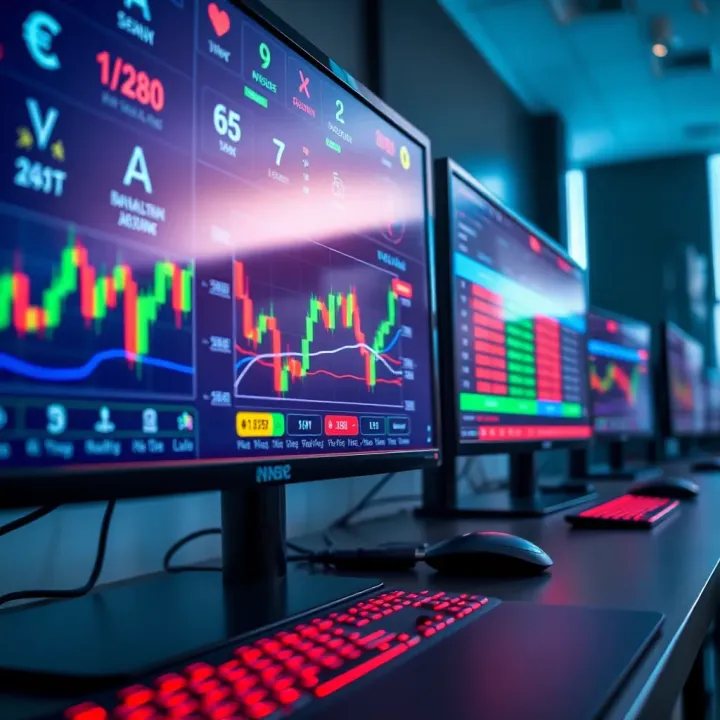
Looking for the best forex broker in Nigeria? Discover key tips on regulation, fees, platforms, and more to trade confidently. 💱📊🇳🇬
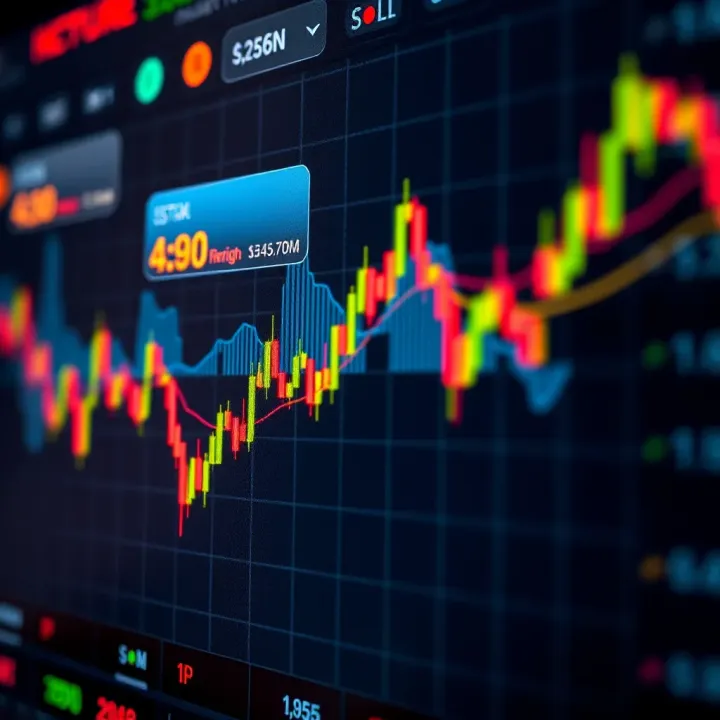
Discover how Nigerian investors can tap into forex trading's accessibility, liquidity, and flexibility 🌍📈. Boost your financial goals with smart strategies and tech tools!
Based on 14 reviews