
Benefits of Forex Trading for Nigerian Investors
Discover how Nigerian investors can tap into forex trading's accessibility, liquidity, and flexibility 🌍📈. Boost your financial goals with smart strategies and tech tools!
Edited By
James Thornton
In the fast-moving world of forex trading, especially in a market as dynamic as Nigeria’s, managing risk is not just a strategy — it’s a necessity. Currency values can swing sharply due to geopolitical events, central bank decisions, or even global economic shifts. If you trade without a solid plan for risk management, your ₦ investments could be wiped out in a heartbeat.
Forex trading risk comes in many forms: from market volatility and leverage to unexpected news that can send prices tumbling. Many Nigerian traders jump in hoping to catch quick profits, only to face significant losses because they underestimate these risks. The key is to understand the nature of these risks clearly and take deliberate steps to reduce exposure.
There are practical approaches every trader should adopt. Tools like stop-loss orders help cap potential losses by automatically closing positions when prices hit certain levels. Diversifying your trades across various currency pairs can reduce the impact of a sudden drop in a single market. Additionally, disciplined use of leverage — which can amplify gains but also losses — is essential. Overleveraging is a common pitfall that snatches away many traders' capital faster than they expect.
Technology also plays an important role in managing risk. Platforms like MetaTrader and brokers that offer real-time data and alerts enable Nigerian traders to monitor positions closely and react promptly to changes. Keeping a trading journal to record decisions, outcomes, and mistakes helps build better habits and avoids repeating costly errors.
Successful forex trading hinges not just on predicting price movements but on protecting your capital when the market moves against you.
Starting with these informed, practical tactics helps reduce unnecessary losses and strengthens your chance to build on gains steadily. Given Nigeria’s economic environment — with fluctuating naira exchange rates and local market quirks — it’s even more vital to be cautious and strategic. The next sections explore specific strategies and tools you can apply right now to keep forex risks under firm control.
Understanding risk in forex trading is a vital step for any trader aiming to protect their capital and maximise returns. Forex markets operate around the clock with currency values reacting sharply to various factors, making risk management a daily necessity. For Nigerian traders, recognising these risks provides a clearer picture of potential pitfalls and helps develop strategies to handle market uncertainties effectively.
Market volatility represents the frequency and extent of price fluctuations in currency pairs. In forex trading, sudden shifts can wipe out gains or magnify losses within minutes. For example, unexpected announcements like a change in US Federal Reserve interest rates often send the USD/NGN rate swinging sharply, impacting traders who are unprepared. Volatility heightens risk because it can trigger stop-loss orders or cause slippage, where trades execute at less favourable prices.
Leverage acts like borrowed capital allowing traders to control larger positions than their actual investment. While it can amplify gains, it equally increases risk. For Nigerian traders, high leverage ratios offered by some brokers may seem tempting, but they can result in rapid losses surpassing the initial deposit. Margin calls arise when the account's equity falls below the broker's requirements, forcing traders to add funds or close positions, which can be financially stressful.
Currencies respond strongly to political stability and economic events. In Nigeria, political uncertainties such as election periods or policy changes can cause naira depreciation. For instance, election campaigns often create speculation on fiscal policy shifts, leading to currency swings. Similarly, global economic trends like oil price fluctuations affect Nigeria’s forex reserves and in turn, impact the naira's exchange rate. Traders must stay aware of these dynamics to anticipate market reactions and adjust strategies accordingly.
Nigeria's economy grapples with inflation, fuel price changes, and currency shortages—all influencing forex trading risks. Inflation erodes purchasing power and can lead to central bank interventions affecting exchange rates. For example, when fuel prices rise unexpectedly, it may trigger broader economic strain, stirring naira instability and impacting forex trades tied to Nigerian currency pairs.
The naira remains one of the more volatile currencies due to fluctuating foreign reserves and dollar demand. This volatility can increase trading costs and reduce profit margins. Traders exposed heavily to naira pairs face higher uncertainty, as sharp naira devaluation can erode profits or deepen losses quickly. Nigerian traders often mitigate this by incorporating more stable pairs like USD/EUR or GBP/USD alongside naira-related trades.
The Central Bank of Nigeria (CBN) regulates forex trading through rules meant to stabilise currency and protect investors. However, restrictions like limits on forex access or bans on unregistered brokers create challenges. Traders may find it difficult to operate freely or encounter brokers with questionable practices. Staying compliant with CBN guidelines ensures safer trading but requires vigilance to navigate the regulatory landscape effectively.
Being aware of these risk factors lets traders formulate practical steps to safeguard their investments amidst Nigeria’s unique market conditions.
By understanding these fundamentals, Nigerian forex traders equip themselves to manage losses better and trade with confidence.
Managing risk in forex trading is not just about protecting capital—it’s about preserving your ability to stay in the market long enough to make consistent profits. For Nigerian traders, where currency volatility and local economic factors often create unpredictable swings, practical risk mitigation is essential. Simple, clear strategies like stop-loss orders, portfolio diversification, and careful leverage management can save you from heavy losses.
Stop-loss orders help cap losses by automatically closing a trade if the price hits a certain level. Setting these limits realistically means considering current market volatility and your personal risk tolerance. For example, in a highly volatile pair like USD/NGN, a tight stop-loss of 0.2% might trigger prematurely, while a 1% stop-loss might be more practical to avoid being taken out by daily fluctuations. Realistic stop-loss settings balance the need to protect your capital without getting stopped out too easily.
Stop-loss and take-profit orders reduce reliance on emotions during trading. Emotions such as fear and greed often cloud judgement, leading traders to hold losing positions hoping for a reversal or to exit winning ones too early. Using automated stop-loss orders forces discipline by removing guesswork. This means you stick to your trading plan and avoid panic-driven decisions common during market swings.
Consider a Nigerian trader dealing with the EUR/USD pair. If volatility spikes due to geopolitical news, having a stop-loss set at a realistic level based on recent price action prevents a small loss from escalating. Similarly, when trading the relatively volatile GBP/NGN pair, stops help avoid large losses during naira depreciation phases which can occur amid economic uncertainties.
Diversification spreads risk across different currency pairs, reducing the impact if one market moves unfavourably. Instead of putting all your ₦₦₦ into USD/NGN alone, including pairs like EUR/USD or USD/JPY can smooth your overall returns since different pairs respond differently to economic events.
Mixing stable pairs such as USD/EUR with emerging ones like USD/ZAR lets traders tap into growth opportunities while cushioning risk. Stable pairs often reflect reliable economic fundamentals, while emerging pairs could offer bigger moves but with higher risk. Nigerian traders can balance their portfolios by blending familiar major pairs with others that have growth potential but watch out for higher volatility.
It’s essential to avoid overexposure in one type of market or region. Nigerian traders might be tempted to focus heavily on USD/NGN, given its direct impact at home, but balancing exposure—perhaps adding Asian or European currency pairs—can provide a buffer when local factors hinder the naira.
Leverage amplifies both gains and losses, meaning small price moves could wipe out your investment. Knowing the limits imposed by your broker and yourself is key to responsible trading. Nigerian traders often have access to leverage ratios up to 100:1, but using the maximum is rarely advisable.
A safer leverage ratio usually falls between 5:1 and 20:1. For instance, if you have ₦100,000 in your account and use 10:1 leverage, you control ₦1,000,000 worth of currency. This approach provides meaningful exposure without risking a total loss from small swings.
Over-leveraging can lead to rapid capital depletion. Many Nigerian traders jump in with high leverage hoping for quick profits but end up losing far more than anticipated. Excessive leverage ignores the reality of market volatility, especially around global economic announcements or local developments affecting the naira.
Applying practical risk management strategies like realistic stop-loss limits, diversifying your portfolio, and sensible leverage use improves your chance to survive and thrive in Nigeria’s forex market. These tools help control losses and make trading a more rational, less stressful endeavour.
Technology plays a vital role in managing risks in forex trading, especially for Nigerian traders contending with market volatility and rapid price changes. Using reliable tools and platforms can help you monitor trades closely, react quickly to market movements, and reduce possible losses.
When choosing a forex trading platform, it's crucial to look for certain features that enhance risk management. Quality platforms offer real-time price feeds, advanced charting tools, and easy order execution. For example, platforms like MetaTrader 4 and MetaTrader 5 allow traders to set stop-loss and take-profit orders directly on the interface, automating exit points and helping limit losses.
Automated trading and alert systems further assist traders by removing some of the emotional burden from decision-making. These tools can execute trades automatically based on predefined criteria, ensuring your strategy runs even when you are away from the screen. For instance, setting an automatic alert when the naira-dollar pair hits a certain rate helps you respond quickly, particularly given the naira's frequent fluctuations.
Mobile access is another essential aspect, letting you monitor and manage positions anywhere, anytime. In Nigeria, where consistent power supply remains a challenge, being able to check your trades on a smartphone prevents missed opportunities or uncontrolled losses. Popular mobile trading apps for platforms like OANDA and IG Markets enable Nigerian traders to manage their accounts on the go, keeping tabs on market swings even during hectic traffic or power outages.
Staying updated with real-time news and economic data is a must for effective forex risk management. Economic announcements from Nigeria—like CBN monetary policy changes or inflation data—can drastically influence currency pairs. Tools like Forex Factory or Investing.com provide fast access to such economic calendars, helping you anticipate market movements.
Technical analysis techniques, such as moving averages, RSI, and Fibonacci retracements, offer signals that guide traders on when to enter or exit positions. Nigerian traders often use these methods alongside local market insights to better time trades, reducing unnecessary exposure. For example, a trader might notice a support level at ₦470 to $1 and plan their trades accordingly.
Finally, leveraging Nigerian financial news sources enhances your understanding of local factors affecting forex markets. Publications like BusinessDay and Nairametrics regularly report on policies, reforms, and political developments that impact naira valuations. Incorporating these sources in your research gives an edge by linking market data with on-the-ground realities.
Technology tools are not only about convenience but are fundamental in managing forex risks, especially within Nigeria’s dynamic economic environment.
By integrating appropriate trading platforms, automated tools, and solid market research, Nigerian forex traders can build a more resilient, informed approach to managing risk and safeguarding their investments.
To succeed in forex trading, Nigerian traders must cultivate discipline. Without it, even the best strategies falter under pressure from emotions or impulsive decisions. Discipline ensures traders stick to their plans, manage risks effectively, and avoid costly mistakes — especially in fast-moving markets like forex. It's not just about controlling emotions but also about having a clear framework to make consistent decisions.
Every trader should establish how much risk they can tolerate for each trade and overall portfolio exposure. This depends on factors like available capital, financial goals, and personal comfort with loss. For instance, a trader might decide never to risk more than 2% of their trading capital per position. Setting such limits prevents sudden large losses that can derail progress.
Knowing your acceptable risk level helps avoid reckless trades driven by greed or panic. It builds a safety net, especially significant in Nigeria’s volatile forex environment where sudden naira swings or regulatory shifts can impact trades.
A disciplined trader doesn't randomly jump into trades; they plan carefully when to enter and exit the market. Entry points might be based on technical indicators like support and resistance levels or news-driven events. Exits include setting take-profit and stop-loss orders to control gains and limit losses.
For example, a trader might decide to buy a USD/NGN pair only if it breaks a certain price level, then place a stop-loss 50 pips below that entry. This approach avoids chasing the market and helps lock in profits systematically.
Regularly reviewing past trades allows traders to evaluate what works and what doesn’t. Keeping a trading journal with details like entry price, exit price, rationale, and outcome offers insight over time.
Such reviews help identify recurring errors — maybe ignoring stop-losses or chasing losses too often — and improve discipline. In Nigeria's dynamic economic climate, continuous learning is vital to adapt strategies and refine risk management.
Greed and fear can easily unsettle traders, making them deviate from their plans. Greed pushes one to overtrade or increase position sizes, hoping for bigger profits. Fear, on the other hand, might trigger premature exits or complete withdrawal.
Take the case of a trader who quickly closes a profitable position just because the market started wobbling, missing further gains. Alternatively, some might ignore stop-loss orders fearing to realise losses, which could lead to much bigger damage. Recognising these emotions and sticking to predefined rules protects investments.
Forex markets, especially involving the naira and other emerging currencies, often see sharp swings. Patience helps traders avoid rushing into or out of positions due to short-term fluctuations.
For instance, a sudden dip in the USD/NGN rate might tempt traders to sell off prematurely. However, patience allows them to wait for confirmation signals or trade setups, avoiding unnecessary losses caused by overreaction.
No trader escapes mistakes entirely. The key is to learn from them. Analysing losses with a calm mind, identifying triggers like poor timing or emotional decisions, and adjusting strategies can improve future trades.
A Nigerian trader may discover, for example, that trading during ember months when volatility spikes without adjusting position size leads to repeated losses. Correcting such habits strengthens trading discipline and safeguards capital.
Discipline in trading is the backbone of consistent success. By setting clear rules and resisting emotional impulses, Nigerian forex traders can navigate market uncertainties with greater confidence and control.
Navigating forex trading in Nigeria requires a solid understanding of the regulatory and legal frameworks that govern this market. Knowing these rules shields you from unnecessary losses and legal trouble. The Central Bank of Nigeria (CBN) sets clear guidelines to protect traders and maintain market stability. Moreover, spotting fraudsters is crucial as scams remain a threat to unsuspecting investors.
The CBN strictly regulates forex trading to safeguard the economy and investors' interests. It limits forex transactions to authorised dealers and licensed operators, ensuring trades comply with Nigeria’s monetary policies. For instance, retail forex trading through unlicensed platforms is prohibited, highlighting the need to stick to CBN-approved channels.
These rules aim to prevent excessive currency speculation that can destabilise the naira. They also mandate reporting significant forex deals, helping government monitor inflows and outflows effectively. For Nigerian traders, adherence means fewer risks of getting caught in illegal operations.
Only brokers authorised by CBN and registered with Nigeria’s Securities and Exchange Commission (SEC) are allowed to operate here. Traders should verify broker licences before opening accounts. Some well-known brokers operating legally in Nigeria include reputable firms like FXTM and HotForex, but you must confirm their Nigerian compliance.
Using permitted platforms guarantees better account security, transparent pricing, and support aligned with Nigerian laws. Illicit platforms often lack these safeguards and can vanish with your funds overnight. Therefore, choosing the right broker is a first line of defence.
Trading through unauthorised brokers or ignoring CBN rules can lead to serious penalties. The CBN may freeze your accounts, impose fines, or even initiate legal proceedings. Additionally, losses on unregulated platforms are typically unrecoverable.
For example, Nigerian traders caught funding foreign accounts via unlicensed brokers can face investigation by the Economic and Financial Crimes Commission (EFCC). Beyond fines, your reputation in the financial community can suffer, limiting future opportunities.
Always verify brokers’ regulatory status through CBN and SEC registers. Legitimate brokers provide clear contact information, local offices, and responsive customer service. They comply with Know Your Customer (KYC) rules, demanding valid identification and proof of residence.
For example, a genuine broker operating in Lagos would require valid BVN (Bank Verification Number) and NIN (National Identification Number) before approving withdrawals or deposits. This process protects both traders and brokers.
Beware brokers promising guaranteed high returns with little risk—this is rarely true in forex. Sudden demands for extra deposits, refusal to provide clear trading records, or pressure to trade large volumes should raise alarms.
Illogical fee structures, inconsistent pricing, and unverifiable corporate information also signal potential fraud. Nigerian traders may find unsolicited calls or messages inviting them to fast-track profits suspicious and should tread carefully.
Always remember, if it looks too good to be true, it probably is.
If you suspect fraudulent forex activities, report immediately to the CBN, SEC, or EFCC. These agencies have dedicated units to investigate financial crimes and protect investors. Filing a detailed complaint with transaction records strengthens your case.
Additionally, informing your bank and the Nigerian Deposit Insurance Corporation (NDIC) can help freeze suspicious transactions. Prompt reporting limits further victimisation and helps authorities take down scam networks.
Understanding regulations and legal safeguards in Nigeria equips you to trade forex more safely. It also promotes industry transparency, which benefits all participants in the long run.
Discover how Nigerian investors can tap into forex trading's accessibility, liquidity, and flexibility 🌍📈. Boost your financial goals with smart strategies and tech tools!
🌏 Explore the Asian forex trading session's timing, trends, and tips tailored for Nigerian traders to boost profits when Asian markets are live.📈
📈 Understand US forex session hours in Nigerian time 🇳🇬, their impact on trading, and tips to optimize strategies for better results in your market.
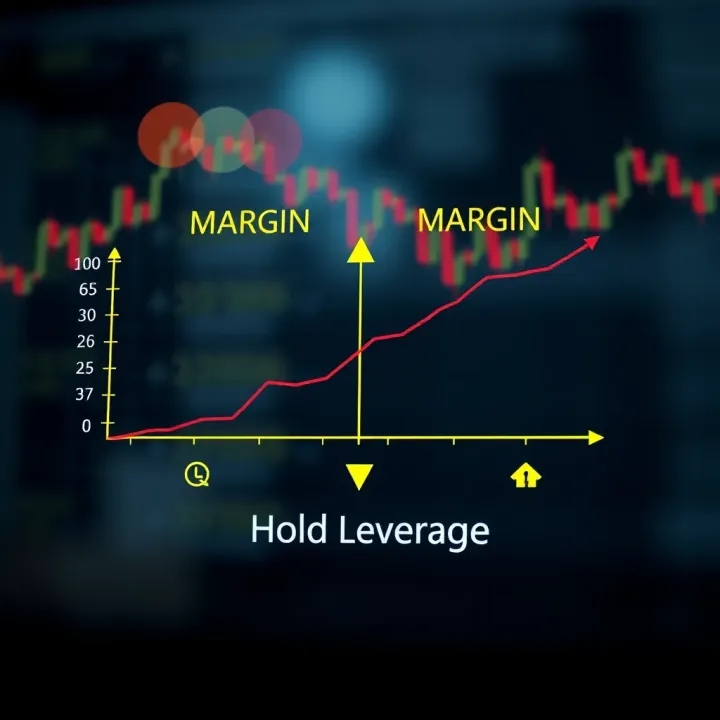
📊 Learn what margin means in forex trading, how Nigerian traders can manage it wisely, understand leverage, broker rules, and avoid big losses.
Based on 13 reviews