
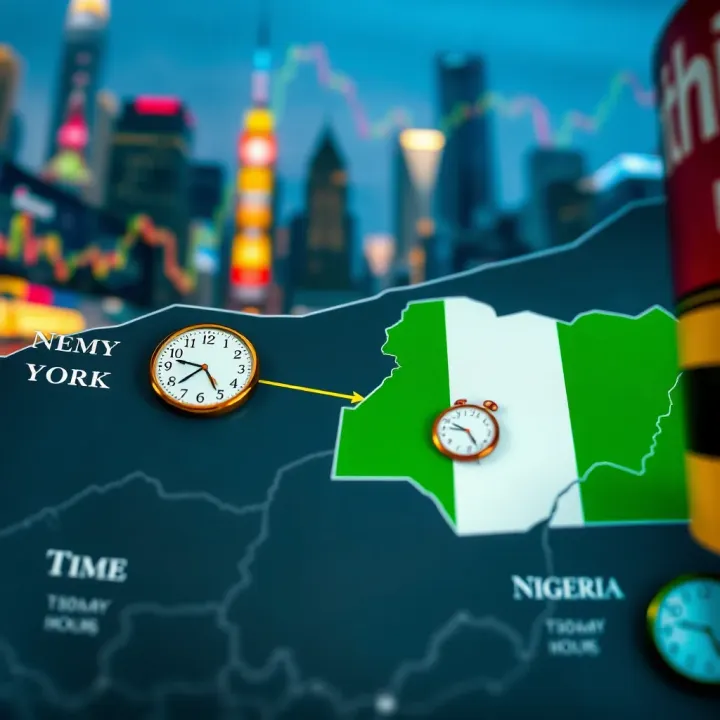
New York Trading Session Hours for Nigerian Traders
📈 Discover how the New York trading session time lines up with Nigeria's clock 🕒 and get practical tips to optimize your Forex trading strategy! 🇳🇬
Edited By
George Mitchell
The New York forex session is a critical window for global currency trading. Operating from 1 pm to 10 pm Greenwich Mean Time (GMT), this session coincides with peak market activity in the United States. For traders in Nigeria, understanding this timeslot helps in making timely decisions, especially since Nigeria operates on West Africa Time (WAT), which is GMT+1.
During this session, the New York market overlaps with the London forex session between 1 pm and 4 pm GMT. This overlap is where most of the daily trading volume happens, resulting in higher liquidity and narrower spreads. For example, a trader using platforms like MTN Mobile Money or Paystack can take advantage of this period for more efficient trade execution.
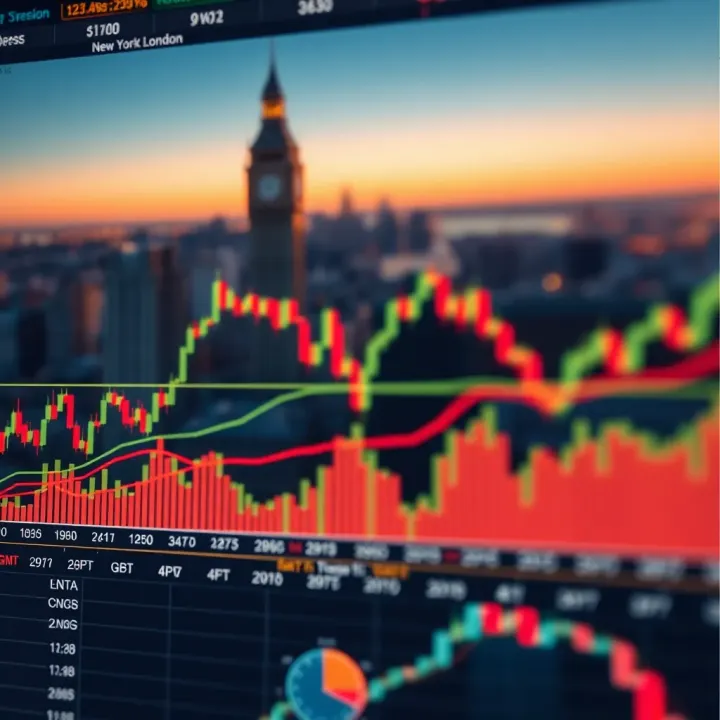
The New York session is characterised by high volatility, especially when major US economic data releases occur, such as non-farm payrolls or Federal Reserve announcements. Nigerian traders should watch out for these events as they often trigger sharp price movements. Unlike the calmer Asian session, the New York session sees rapid price swings, giving day traders an opportunity to capitalise on short-term trends.
Note that trading outside this session might mean lower liquidity, slower trade execution, and wider spreads, which can impact profitability, particularly for retail traders.
To make the most of the New York forex session, traders in Nigeria should consider the following:
Align trading hours with peak activity times between 1 pm and 10 pm GMT (2 pm to 11 pm WAT).
Monitor economic calendars focused on US events to anticipate market moves.
Use reliable internet connections to handle rapid price changes and avoid slippage.
Practice risk management, as volatility can increase potential losses alongside gains.
Mastering the New York forex session timings in GMT equips traders with an edge. Pairing this knowledge with local trading habits and tools ensures a more informed approach to forex markets, whether you are an investor, broker, or analyst dealing with Nigerian or international currencies.
The New York forex session plays a vital role in global currency markets as it represents the active trading period for the American market. Understanding its timing in Greenwich Mean Time (GMT) helps Nigerian traders precisely coordinate their activities with international markets. This enhances strategy execution and risk management by aligning trades with key market openings and closures.
The New York session generally starts at 1:00 pm GMT and closes at 10:00 pm GMT. These hours reflect the core trading activities where liquidity surges and volatility picks up. Nigerian traders benefit from knowing these fixed times because it allows them to plan entry and exit points during periods when the US dollar pairs, especially USD/Naira and USD/EUR, are most active.
Daylight Saving Time (DST) in the United States shifts the New York session by one hour earlier in GMT. For about eight months each year, the session runs from 12:00 pm to 9:00 pm GMT instead. Nigerian traders must adjust accordingly, otherwise, they risk trading outside peak market hours, which may affect liquidity and price movement accuracy. This awareness is particularly valuable during ember months when market volatility is already heightened.
Nigeria operates on West Africa Time (WAT), which is typically GMT+1 year-round because Nigeria does not observe daylight saving. Therefore, Nigerian traders can convert the New York session to their local time by adding one hour to the GMT timings. For example, the standard New York session opening at 1:00 pm GMT translates to 2:00 pm WAT. This straightforward conversion simplifies session tracking and scheduling trades.
GMT remains the universal standard for time-keeping across various global financial markets. Traders in Nigeria rely on GMT to remove ambiguity when dealing with brokers or platforms based outside Nigeria. It ensures everyone refers to the same time frame regardless of their local clocks, facilitating clearer communication and avoiding confusion common with time zone differences.
By mapping the New York session to GMT, Nigerian traders can seamlessly coordinate their activities with other major forex hubs like London and Tokyo, which also use GMT-based timings. This alignment helps traders recognise overlapping sessions, such as the London-New York overlap known for high market activity, sharpening their timing for high-impact trades.
Forex traders in Nigeria often face challenges due to varying local times across brokers and platforms, especially during daylight saving changes in other regions. Using GMT as a single, fixed point of reference cuts through this confusion. It creates a reliable basis to compare session times and market openings without constantly recalculating or second-guessing local time adjustments.
Knowing the exact New York session window in GMT equips Nigerian traders with precise timing insights that improve decision-making, optimise trading schedules, and boost confidence when engaging the foreign exchange market.
New York session typical hours (GMT): 1:00 pm – 10:00 pm
Daylight saving shifts it to: 12:00 pm – 9:00 pm GMT
Nigerian local time is always GMT+1
Use GMT to synchronise trades with global markets
Reduces errors related to time zone differences
Understanding these elements is foundational for mastering forex trading around New York hours, especially for Nigerian traders aiming to capitalise on market overlaps and peak liquidity periods.
The New York session is one of the most active periods in the forex market, shaping price movements and providing key trading opportunities. It often sets the tone for the rest of the trading day, especially for traders in Nigeria who align their activities with GMT timings to capture these moves more effectively.
Liquidity and volume trends: Liquidity rises significantly during the New York session, especially as Wall Street opens and US financial institutions start trading. This surge means traders find tighter spreads and more consistent prices, which is ideal for executing trades with minimal slippage. For instance, during the New York hours, it’s common to see ₦10 million or more traded in popular forex pairs within minutes, reflecting the session's depth.
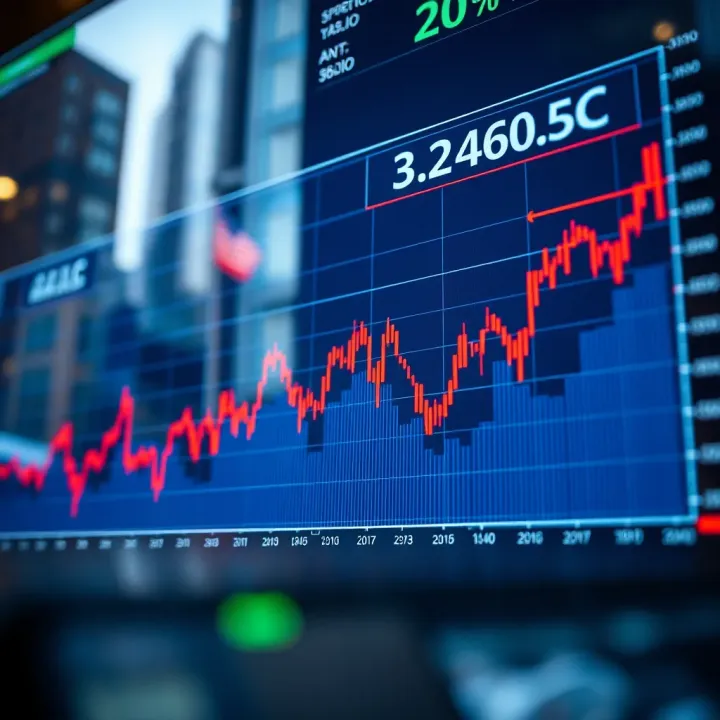
Common currency pairs traded: The New York session witnesses intense activity in US dollar pairs such as USD/EUR, USD/JPY, and USD/NGN. Since the US dollar dominates global trade and reserves, it’s natural these pairs see large volumes. Nigerian traders also watch USD/NGN closely here, noting that fluctuations can impact import costs and remittances. Other major pairs involving European currencies remain active due to overlapping with the London session.
Volatility characteristics: Volatility tends to increase during the New York session, especially in early hours and during US economic data releases. This higher volatility presents both risk and opportunity — it’s like the busy danfo traffic in Lagos: harder to navigate but faster to reach your destination if handled well. Nigerian traders often monitor news from US markets to anticipate price spikes and adjust their stop-loss orders accordingly.
Overlap with London session and its significance: The overlap between New York and London sessions — roughly from 1 pm to 4 pm GMT — is the most liquid and busiest forex trading period globally. This window is when the bulk of forex volume happens, making it easier to enter and exit positions without significant price gaps. For Nigerian traders observing GMT, this overlap often corresponds with afternoon hours, a convenient slot to strategise trades.
Trading behaviour during session overlaps: During the overlap, market participants from two major financial centres contribute their orders, causing sharper price swings and faster movements. Traders can spot clear trends or reversals during this period. For example, a stronger-than-expected US jobs report released at 1:30 pm GMT can push the USD/GBP pair sharply up, attracting quick trades from opportunistic investors.
Impact on price movements and spreads: The increased trading volumes in session overlaps tend to narrow spreads, reducing transaction costs for traders. On the flip side, sudden news or large orders can cause brief price gaps or spikes. Nigerian traders who understand this dynamic can better time their entries. For instance, executing trades just before the London-New York overlap could mean enjoying tighter spreads but also preparing for sudden volatility.
Understanding how the New York session drives liquidity and interacts with other sessions helps Nigerian traders avoid pitfalls and seize key trading windows, making their forex activities more profitable and less risky.
Trading during the New York forex session requires clear strategies and practical tips, especially for Nigerian traders aiming to capitalise on market dynamics unique to this period. This session is known for high liquidity and volatility, making it ripe for opportunities yet challenging without proper timing and careful risk management. Knowing which currency pairs to focus on and how to handle market swings can significantly boost your trading performance.
The New York session is heavily influenced by the US Dollar (USD), making USD pairs like EUR/USD, GBP/USD, and USD/JPY particularly active. These pairs often see wider price swings and higher trading volumes between 13:00 and 22:00 GMT when New York markets are fully open. For Nigerian traders, this means better chances of quick trade execution and tighter spreads.
US Dollar pairs also react sharply to US economic data releases and Federal Reserve announcements during this session. For example, a change in the US monetary policy or employment data can cause swift price adjustments in USD pairs, offering traders high-profit potential if timed well.
While USD pairs dominate, other majors like EUR/GBP and GBP/JPY also experience meaningful activity during the New York session. These pairs tend to benefit from the overlap between London and New York trading hours, roughly 13:00 to 16:00 GMT, when two of the largest financial markets are simultaneously active. This overlap typically increases liquidity and reduces spreads, making it a good window for traders seeking more predictable price movements.
Such pairs also respond to geopolitical news and economic developments beyond the US, such as UK or Eurozone announcements, allowing diversified trading strategies that are not solely dependent on US market events.
Naira pairs, particularly USD/NGN, have gained traction among Nigerian traders although they’re less liquid compared to majors. The Central Bank of Nigeria (CBN) activities and policies significantly affect the NGN’s value. Traders should watch how the USD/NGN pair behaves during the New York hours since international market sentiments and oil price changes often impact the naira during this session.
Given the local economic factors—such as fuel subsidy adjustments or foreign exchange policy changes—coupled with New York’s active market, Nigerian traders can spot swings relevant to domestic conditions. However, caution is necessary as volatility might be unpredictable.
Understanding the New York session's start and end helps traders identify the best moments to enter or exit trades. For instance, the first hour after the session opens often shows sudden price moves as market participants react to overnight news and economic releases.
A Nigerian trader might plan to open positions around 13:00 GMT to catch these active price moves and consider closing before the session ends at 22:00 GMT to mitigate overnight risk. Charting price action and volume spikes within these hours aids better entry and exit timing.
Volatility can surge without warning in the New York session, especially during major economic announcements like US non-farm payrolls or Federal Reserve speeches. These spikes can cause rapid gains but also rapid losses if not managed properly.
Using stop-loss orders and adjusting trade sizes during these times can protect your capital. For example, scaling down position sizes just before an announcement limits your exposure to sudden market swings.
Experienced traders in Nigeria often monitor economic calendars closely and avoid making impulsive decisions during volatility surges without confirming the trend.
News events during the New York session have immediate effects on currency prices. The timely incorporation of news can open profitable trading windows.
For Nigerian traders, staying alert to US economic indicators released at 13:30 or 14:00 GMT—such as retail sales or inflation reports—is key. Quick reactions can mean catching sharp price moves; delays may result in missed opportunities or exposure to unfavourable price swings.
Tools like economic calendars from sources such as Bloomberg or Investing.com can help anticipate news events and prepare your trading plan accordingly.
Successful trading in the New York session blends knowledge of key currency pairs, careful timing, and disciplined risk management to turn market volatility into opportunity.
By understanding these strategies and tips, Nigerian forex traders stand a better chance of navigating the New York session with confidence and efficiency.
Nigerian forex traders must navigate unique challenges linked to time zones, platform reliability, and local infrastructural issues. Understanding practical aspects like Nigeria's time relative to GMT, daylight saving impact abroad, and platform access can improve trading decisions during the New York forex session. These considerations help avoid missed opportunities and costly errors in timing trades.
Nigeria operates on West Africa Time (WAT), which is consistently one hour ahead of Greenwich Mean Time (GMT+1) all year round. This fixed offset simplifies the base calculation of New York session times for Nigerian traders, who can easily convert session hours from GMT+0 to WAT by adding one hour.
But the twist comes with countries using daylight saving time, like the USA. When New York shifts one hour forward or backward depending on the season, the forex session's GMT timing fluctuates accordingly. Nigerian traders need to note these changes because the New York session’s active hours relative to Nigerian time will move by one hour twice a year.
To stay accurate with these shifts, traders should use reliable tools. Forex trading calendars and time zone converters that update automatically with daylight saving changes are most practical. Software like MetaTrader or trading apps often show session times in your local time zone after setup. Using alert reminders helps avoid missing the opening or overlap periods which are golden for trading.
In Nigeria, popular forex platforms include MetaTrader 4 and 5, IG Group, and local favourites like FXTM and InstaForex, all known for stable access and user-friendly interfaces. These platforms provide live market data and seamless orders crucial during the New York session's volatile hours.
Internet and power supply challenges remain a hurdle for many Nigerian traders. Unreliable electricity means frequent power cuts that can disrupt trading activities. Traders often rely on generators or uninterrupted power supplies (UPS) to maintain connection during crucial trading windows. Additionally, they should ensure they use data plans or fibre-optic broadband connections that offer stable internet speeds to avoid dropped trade executions.
Speedy trade execution matters to capitalise on the New York session’s high volatility. Even a slight delay can mean the difference between profit and loss. To ensure swift execution, Nigerian traders should consider VPS (Virtual Private Server) hosting services close to the forex brokers’ servers. VPS reduces latency significantly compared to personal home internet setups. Besides, some brokers offer proprietary apps optimised for Nigerian internet conditions which can improve order processing times.
Nigerian traders who prepare for these practical realities gain an edge. Timing accuracy, dependable platform access, and rapid order capabilities during the New York session can make trading both more profitable and less stressful.
Understanding the timing of the New York forex session in GMT helps Nigerian traders navigate the market with precision and confidence. This knowledge enables you to align your trading activities with peak market hours, improving your chances of entering and exiting trades at optimal moments. Recognising session overlaps and anticipated market moves further sharpens your trading edge.
Forex operates across global markets, and the use of Greenwich Mean Time (GMT) provides a consistent reference point. For Nigerian traders, who operate in West Africa Time (WAT, GMT+1), converting New York session hours to GMT removes guesswork tied to daylight saving changes abroad. For example, when New York is on daylight saving time, the session starts at 12:00 GMT instead of 13:00 GMT. Such adjustments directly affect when traders in Lagos or Abuja should be online, reducing the risk of missed trades or operating outside peak volatility.
Most liquidity and volatility cluster during session overlaps, especially when the New York and London sessions coincide. This period sees heavier trading volume and tighter spreads, offering better price moves and more trading opportunities. Nigerian traders who understand these overlaps can plan to trade pairs like EUR/USD and GBP/USD with improved liquidity. Taking advantage of the 13:00–16:00 GMT window (New York and London overlap) can yield higher chances of profitable trades and clearer market direction.
Market behaviour during the New York session often responds to US economic news releases and global factors. Anticipating these session-related moves involves tracking scheduled news like US Nonfarm Payrolls or FOMC interest rate announcements, which tend to cause sharp price changes during the session. Being ready to pause or adjust your trades during such times helps avoid unnecessary losses. Equally, positioning ahead of expected volatility can turn market movements into profitable trades.
Building a routine that matches New York session timings (13:00–22:00 GMT during standard time) positions you to trade at the most active hours. This approach helps maximise use of your trading capital and time. It also avoids sleep disruptions by allowing you to prepare for and wind down after the session. For a salaried worker in Lagos, this might mean accessing the market after work hours, ensuring focus without distractions.
Several Nigerian forex training centres, online webinars, and platforms provide tailored guidance on trading the New York session. Taking advantage of these helps bridge knowledge gaps on session timing effects, risk management, and local market peculiarities. Resources from brokers popular in Nigeria, such as FXTM or Alpari, often include practical tips for trading within Nigerian realities like power challenges and internet reliability.
Since the New York session is heavily influenced by US economic data and policies, staying informed on these events is essential. Subscribing to reliable economic calendars, following updates from the Federal Reserve, and monitoring geopolitical developments gives you timely insight into potential market moves. Nigerian traders who integrate this information can better predict when to act or hold back, avoiding sudden shocks common during major announcements.
Understanding and applying New York forex session timing in GMT is not just about hours; it’s about precision, preparation, and practical trading.
By focusing on these areas, Nigerian traders can sharpen their strategies, manage risks better, and capitalise more effectively on global forex opportunities.
📈 Discover how the New York trading session time lines up with Nigeria's clock 🕒 and get practical tips to optimize your Forex trading strategy! 🇳🇬

📊 Discover how the New York forex session impacts global markets! Learn key trading hours, market traits, and top tips to trade smarter during this crucial time.
📈 Find out the exact New York trading session opening time in Nigeria ⏰, how daylight saving affects it, and tips to boost your trading strategy effectively.

⏰ Understand the London Forex session timing in Nigerian time 🇳🇬. Get insights on trading advantages, session conversion, & smart strategies to boost success.
Based on 6 reviews