

New York Trading Session Hours for Nigerian Traders
📈 Discover how the New York trading session time lines up with Nigeria's clock 🕒 and get practical tips to optimize your Forex trading strategy! 🇳🇬
Edited By
James Everett
The New York trading session stands as one of the most active and influential periods in the global Forex market. For Nigerian traders, understanding its schedule in local time is key to maximising opportunities and timing trades effectively. Since Nigeria operates on West Africa Time (WAT), which is typically five hours ahead of New York Standard Time (EST) and four hours ahead during Daylight Saving Time (EDT), traders must adjust their clocks accordingly.
The New York session officially runs from 8:00 am to 5:00 pm Eastern Time. This translates to 1:00 pm to 10:00 pm Nigerian time in standard time months, and 12:00 noon to 9:00 pm during daylight saving months. This distinction matters because the US switches to daylight saving time usually between March and November, while Nigeria does not observe it.
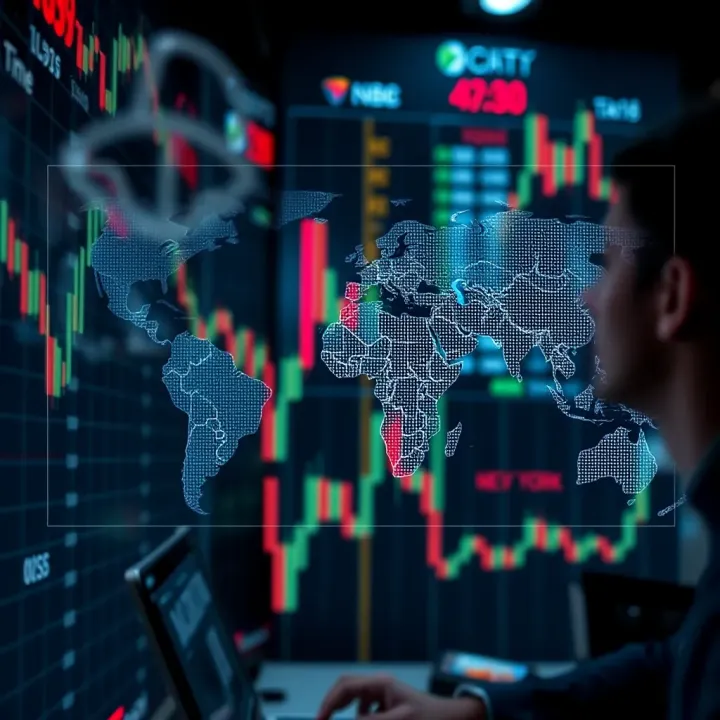
The time difference means Nigerian Forex traders can actively participate in the New York session mostly during afternoon and evening hours, balancing well with their daily schedules.
Knowing this timing helps traders spot when liquidity peaks and spreads tighten, conditions ideal for executing trades with lower costs. It also helps in identifying overlaps with other major sessions like London, where the market sees a surge in volume. The overlap between the London and New York sessions — roughly 1:00 pm to 5:00 pm Nigerian time — is widely recognised as the most volatile and profitable window.
Here are practical points Nigerian traders should keep in mind:
Adjust trading platforms to WAT to avoid confusion about market openings and closings.
Plan trades around session overlaps such as London-New York for increased price movements.
Be aware of news releases and economic data US-based that impact volatility during the New York session.
By syncing trading activities with the New York session according to Nigerian time, traders position themselves to exploit high volumes and tighter spreads, increasing chances of better returns. This foundational understanding opens up paths for strategic trading that aligns with the rhythms of global market hours.
The New York trading session plays a key role in global Forex markets, especially because it overlaps with other major sessions, boosting liquidity and activity. For Nigerian traders, understanding this session is vital due to the timing and market movements it brings, which directly affect popular currency pairs.
There are three major global Forex trading sessions: the Asian, European (London), and New York sessions. Each session corresponds to the business hours of major financial centres. For a trader based in Nigeria, recognising these sessions helps in planning when the market is most active and when liquidity peaks. For instance, the London session is known for steady activity, while the New York session frequently triggers sharp movements due to the massive volume of USD-based trades.
The New York session typically runs from 8:00 am to 5:00 pm EST. It overlaps significantly with the London session during the morning hours, which increases trading volume and volatility. This overlap period provides rich trading opportunities through tighter spreads and improved execution. Understanding these timeframes in Nigerian context, where time zones differ, allows traders to position themselves effectively.
This session is especially notable for high liquidity because the US dollar dominates global forex trading. Many major banks, hedge funds, and financial institutions operate heavily during New York hours. Price swings can be more pronounced, especially after significant economic news releases from the US.
Moreover, the New York session closes just before Asian markets open, creating a natural rhythm for forex trading throughout 24 hours. Traders in Nigeria benefit by adjusting to this rhythm, particularly when planning trades around US economic data or news.
Market liquidity and volatility during the New York session are generally higher, offering Nigerian traders better chances for quick entry and exit. Such liquidity means unwanted slippage is less common, improving trade execution quality. For instance, during the London-New York overlap, pairs like USD/EUR and USD/GBP tend to become very active, which Nigerian traders can exploit for intraday strategies.
Volatility also means price movements can be larger, demanding good risk management. Nigerian traders who understand these market swings can time their trades to benefit from momentum, rather than get caught off guard.
Currency pairs influenced by New York trading revolve primarily around the US dollar. Pairs like USD/NGN (Nigerian Naira), USD/JPY, and USD/CAD often react strongly during this session. Also, commodities-linked currencies, such as the Canadian dollar and Australian dollar, might see price shifts connected to the timing of New York activity.
For Nigerian traders, these dynamics mean the New York session often presents the most promising windows for trading USD-linked pairs with adequate liquidity and price movement.
In brief, grasping when and how the New York trading session runs, and its impact on liquidity and volatility, empowers Nigerian traders to optimise their activities and avoid less active or risky periods.
Getting a clear grasp of New York trading hours in Nigerian time (West Africa Time, WAT) is essential for traders operating in Nigeria. Since Forex markets run 24 hours globally, overlapping sessions and time zone differences can significantly impact market liquidity and volatility. Nigerian traders must be aware of these differences to plan their trades effectively, avoid missing critical market events, and manage risks better.
For instance, understanding when the New York session starts and ends in local Nigerian hours helps traders align their work and rest schedules without losing trading opportunities during peak market movements. This knowledge also sharpens the ability to capitalise on overlaps with other major markets, like London, which often present higher trading volumes.
New York operates mainly under two time zones: Eastern Standard Time (EST) and Eastern Daylight Time (EDT). EST applies during the fall and winter months, typically from early November to mid-March, while EDT covers spring and summer, roughly mid-March to early November, when clocks move an hour forward for daylight saving. This switch affects the corresponding local times traders in Nigeria use to access New York market hours.
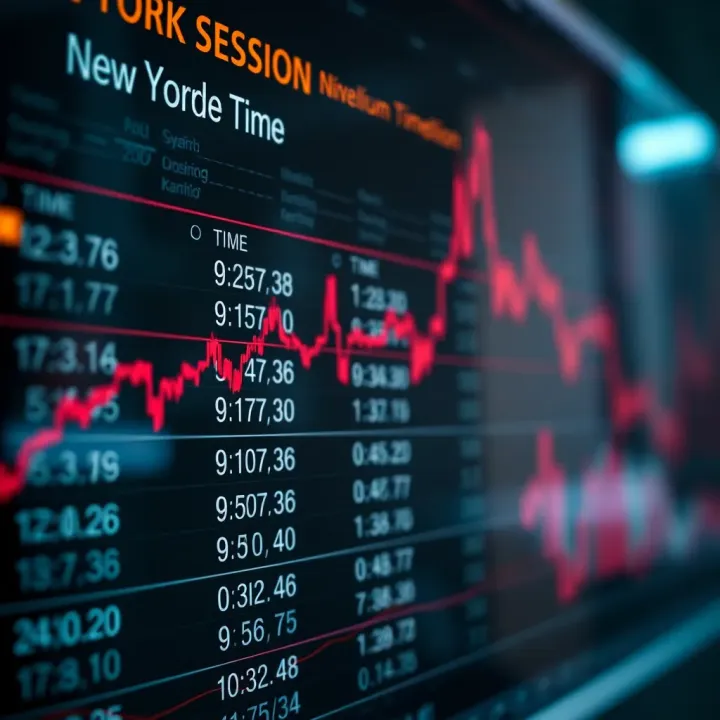
For practical trading purposes, Nigerian traders need to adjust their schedules depending on this shift. For example, during EST, New York is 6 hours behind Nigerian time (WAT), but when EDT is in effect, the difference reduces to 5 hours. This affects the exact start and close times of the New York trading session on Nigerian clocks.
Nigeria operates on West Africa Time (WAT), which is consistently UTC+1 throughout the year since Nigeria does not observe daylight saving time. This single time zone simplifies conversion calculations but means Nigerian traders must remain alert to changes on the New York side.
Because WAT remains constant, the variability in trading hours arises solely from New York’s daylight saving adjustments, not from any local time shifts. This steadiness offers clarity when setting alarms or scheduling trading windows once the time differences are understood.
Daylight saving changes in New York influence when the American market opens and closes relative to Nigerian time. This adjustment alters peak trading periods and can catch some traders unaware if they haven’t changed their clocks accordingly.
For example, if a Nigerian trader normally trades from 2 pm to 10 pm WAT during the New York session, daylight saving could shift this to 3 pm to 11 pm WAT when EDT starts. Missing this change by even an hour might mean missing critical price movements or news releases.
Traders should always mark daylight saving transition dates on their calendars to recalibrate their trading plans promptly and avoid confusion.
Generally, the New York trading session runs from 8:00 am to 5:00 pm New York local time. Converting this to Nigerian time:
During EST (typically November to March), this corresponds to 2:00 pm to 11:00 pm WAT.
Traders can therefore expect active markets between the afternoon and late evening, perfect for combining trading with daytime activities.
When daylight saving time goes into effect (usually mid-March to early November), New York’s clocks move an hour ahead, setting the trading session to 9:00 am to 6:00 pm EDT.
This means Nigerian traders will see the New York session run from 2:00 pm to 11:00 pm WAT during EST and shift to 1:00 pm to 10:00 pm WAT during EDT. The shift impacts trading strategies and requires some flexibility.
Being mindful of these changes ensures traders don't miss peak trading hours or get caught in lower-volume periods. Many brokers now display market hours adjusted to users’ time zones, which can be a practical aid for Nigerian traders.
Overall, converting New York trading hours to Nigerian time is more than a clock exercise; it’s about aligning your trading activities to global market realities, which enhances timing, reduces stress, and improves trade execution quality.
The New York trading session is a major event in the Forex market, with plenty of opportunities for Nigerian traders who understand when and how to engage. This session offers some of the highest liquidity and volatility, affecting global currency pairs. Being aware of the session's dynamics allows traders to capitalise on price movements, reduce risks, and align their trading schedules efficiently.
One key factor driving trading activity in the New York session is its overlap with the London session. This overlap, usually between 2 pm and 4 pm Nigerian time (WAT), creates the busiest two-hour window in global Forex trading. During this period, market liquidity peaks because two of the world’s largest financial centres are active simultaneously. For Nigerian traders, this overlap means better chances of executing trades with tighter spreads and stronger price movements.
The most active hours for currency pairs typically fall within the first few hours of the New York session, specifically from 1 pm to 5 pm WAT. Major pairs like USD/EUR, USD/GBP, and USD/JPY see intensified trading as the US market enters. For instance, the USD/Naira pair—which despite limited direct activity—often reacts to broader USD movements influenced during these hours. Traders benefit by focusing on these windows to catch meaningful price swings with higher reliability.
Balancing trading with daily responsibilities can be challenging, especially since the New York session runs from 12 pm to 9 pm WAT. Many Nigerian traders combine afternoon trading with work breaks or early evening hours to stay active without disrupting their main jobs. This approach allows for monitoring key movements without sacrificing performance at work or rest.
That said, trading during off-peak hours, such as late in the New York session (after 7 pm WAT), comes with risks. Market activity slows down, spreads widen, and price movements become unpredictable. Reduced liquidity often leads to erratic swings that are harder to manage. Nigerian traders who enter the market at these times should exercise caution, using tight stop-loss orders or automated trading tools to mitigate unexpected losses.
The best trading strategy combines awareness of peak volumes, proper risk management, and a trading schedule that fits your lifestyle. Remember, timing your trades around the session overlap can significantly improve your chances of success.
In summary, understanding the New York session’s busiest moments and planning trades around these hours can make a big difference. Nigerian traders stand to gain by focusing on periods of high liquidity, especially during the London overlap, while keeping off-peak risks under control through disciplined strategies.
Trading during the New York session offers many opportunities but also comes with unique challenges, especially for Nigerian traders. Understanding these hurdles is critical for building strategies that protect both health and investments, while making the most out of market movements. Below we explore the main difficulties linked to timing and how traders can tackle them effectively.
The New York trading session runs mainly during Nigerian evening and night hours, roughly from 1:30 pm to 10:30 pm WAT, with overlaps extending later. This timing often disrupts normal sleep schedules for those committed to active trading. Consistently staying up late to monitor the market can increase stress and fatigue, impairing decision-making. For example, a trader who sleeps only a few hours before starting another workday risks poor concentration, which leads to costly mistakes.
Maintaining good health means prioritising rest and avoiding burnout. Nigerian traders working day jobs may find it hard to balance both. Using disciplined routines—like strict cut-off times to step away from the screen—and optimising daytime naps can ease the strain. Healthier traders perform better in volatile markets, which are common during the New York session due to high liquidity and active news flows.
To overcome the challenge of trading during inconvenient hours, many Nigerian traders turn to automated solutions like Expert Advisors (EAs) or trading bots. These programs monitor markets and execute trades based on pre-set conditions without the need for constant human oversight. This allows traders to maintain market presence overnight without sacrificing rest.
For instance, a trader using MetaTrader’s EAs can set clear entry and exit rules to capture opportunities while asleep. However, automation demands careful setup and regular monitoring to avoid losses caused by unexpected market behaviour or technical glitches. Nigerian traders benefit by combining automation with manual checks during manageable hours, reducing the risk of sleep deprivation while staying engaged with the New York session.
The New York session coincides with major US economic data releases like Non-Farm Payrolls, Federal Reserve interest rate decisions, and consumer inflation reports. These announcements can cause sudden price swings and volatility spikes in major currency pairs such as USD/NGN, EUR/USD, and GBP/USD.
For Nigerian traders, being aware of the calendar of these events is key. Missing a rate decision or jobs data can expose traders to unexpected risks, especially when leveraged positions are involved. For example, a surprise rate cut or hike by the Fed can push the naira-USD exchange rate sharply, impacting open trades.
Preparation involves both pre-trade planning and risk management. Nigerian traders should avoid opening positions moments before key news releases unless experienced and ready for rapid price moves. Instead, consider reducing trade sizes or closing volatile positions to limit exposure.
Using stop-loss orders and setting realistic profit targets also helps contain potential losses. Many traders pause trading during peak news times or switch to safer assets to protect capital. Practising with demo accounts during news events replicates these spikes, helping develop nerves of steel before applying real money.
Understanding the timing challenges and market impact of the New York session empowers Nigerian traders to stay profitable while safeguarding their health and capital. By balancing manual effort with automation and keeping an eye on US economic releases, traders can navigate this demanding session with confidence.
Keeping track of the New York trading session in Nigerian time is essential for traders aiming to maximise opportunities during this volatile window. Given the six-hour difference between New York and Nigeria (though this shifts with daylight saving), having the right tools ensures you never miss key market movements or important economic announcements.
Forex calendars that reflect Nigerian time zones help traders anticipate major market events easily. Websites like Investing.com and Forexfactory offer event calendars where you can switch the timezone to West Africa Time (WAT). This adaptation makes it straightforward to align your trading schedule with critical US economic releases without mental conversions, which can lead to errors or missed signals.
Market timers are another practical tool. These online or desktop widgets count down to session openings and closings, clearly showing when the New York session is active in Nigerian time. Using such timers helps plan trades during periods of peak liquidity, especially the opening hour when volatility typically spikes.
Mobile apps designed for forex traders add convenience by alerting users directly on their phones. Apps like MetaTrader 4 (MT4) and MetaTrader 5 (MT5) often include market hours and news alerts customised to your device's time zone, which for Nigerian traders can be set to WAT. This means you get notified of market openings or economic news impacting relevant currency pairs instantly, allowing timely action wherever you are.
Choosing a broker whose trading platform automatically adjusts to Nigerian time can simplify trading routines. Several brokers, including local favourites such as GTBank’s online trading platform or international firms like FXTM, allow you to view charts and session times in WAT. This setup helps avoid confusion and supports better trade timing decisions, especially when monitoring New York session overlaps.
Customer service availability during New York hours is just as important. Because Nigerian traders must often engage with brokers during late evening or early night hours corresponding to New York trading times, brokers offering 24/5 support or specifically staffing customer care for Nigerian clients during those hours provide a clear advantage. Timely assistance during critical New York session moments, such as sudden market spikes from economic releases, ensures issues are resolved quickly, preventing unnecessary losses.
Effective tools and broker support tailored to Nigerian time transform trading from guesswork to precision, giving you a solid edge during the New York session.
Being deliberate about using Nigerian time-adapted calendars, market timers, and choosing brokers with local time features keeps you ahead of the curve. This attention to timing helps Nigerian traders capture the best moves without losing sleep or second-guessing when the market really opens or closes.
📈 Discover how the New York trading session time lines up with Nigeria's clock 🕒 and get practical tips to optimize your Forex trading strategy! 🇳🇬
📈 Find out the exact New York trading session opening time in Nigeria ⏰, how daylight saving affects it, and tips to boost your trading strategy effectively.

🌏 Discover the Asian trading session hours for Nigerian traders ⏰ and learn how to trade effectively in this key forex market period for better opportunities.

⏰ Understand the London Forex session timing in Nigerian time 🇳🇬. Get insights on trading advantages, session conversion, & smart strategies to boost success.
Based on 14 reviews