
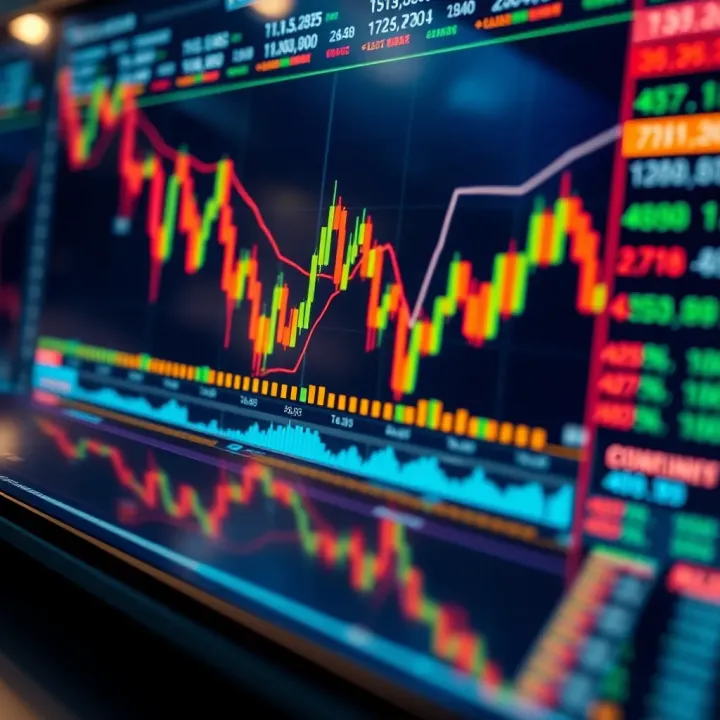
Understanding Synthetic Indices in Trading
🔍 Discover how synthetic indices work, their benefits, risks, and practical tips for trading them safely in Nigeria's market. 📈💡
Edited By
Henry Mitchell
Synthetic indices trading has emerged as a popular alternative for investors who want continuous market access without the usual breaks of traditional exchanges. In Nigeria, where power outages and limited market hours sometimes hinder trading, synthetic indices offer a way to trade 24/7 with real market-like volatility.
Unlike shares or forex pairs, synthetic indices are digital contracts designed to mimic the behaviour of real markets but without being tied to any physical asset or financial exchange. This means Nigerian traders can engage in price movements driven by computer-generated data that replicates the randomness and trends seen in global markets.
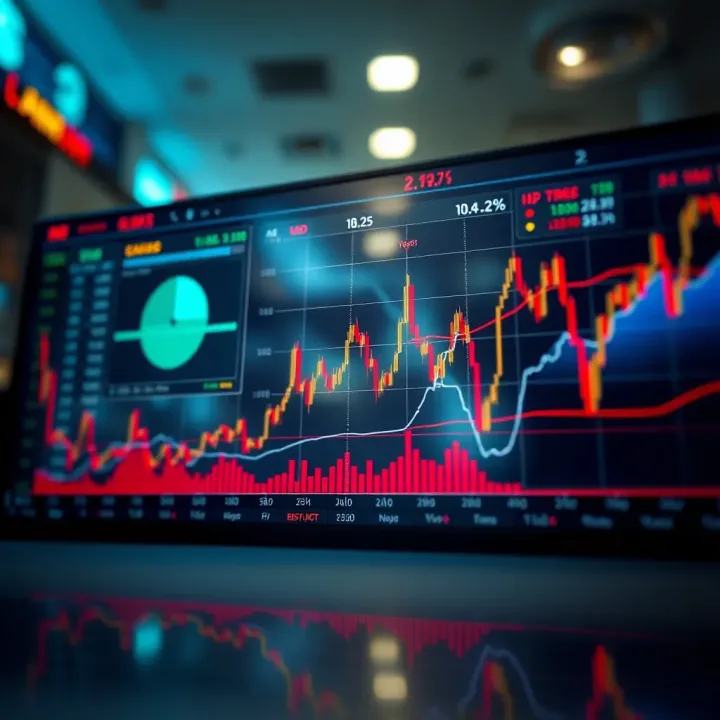
For instance, the Volatility 100 index simulates 100% market volatility, creating rapid price fluctuations that active traders can exploit. This is different from trading stocks on the Nigerian Exchange (NGX), which closes after regular hours. With synthetic indices, you can place trades late at night or on public holidays, fitting around your schedule.
Continuous availability: Trading happens 24 hours daily, 7 days a week
Regulated randomness: Price movements come from algorithms following strict rules to reflect market patterns
Fixed spreads and predictable behaviour: Unlike forex, spreads on synthetic indices remain stable regardless of real-world news
Note: While synthetic indices avoid typical market interruptions, they still carry risk similar to other forms of trading. Understanding their mechanics, including volatility and leverage, is essential to avoid heavy losses.
Many Nigerian investors find synthetic indices attractive for diversifying beyond local stocks and forex. Platforms like Deriv provide easy access to these indices, enabling you to practise strategies or hedge against market downturns.
This article will explore how these indices work, risks involved, and practical steps Nigerian traders can take to navigate synthetic indices trading safely and profitably.
Synthetic indices offer Nigerian investors a fresh way to trade markets that run round-the-clock, without depending on traditional stock exchanges or commodities. Unlike usual assets like shares or forex, these indices simulate market price movements based on algorithms rather than real-world events. This makes them particularly suitable for traders who want consistent volatility and 24/7 access, avoiding the downtime common in conventional markets.
Synthetic indices are financial instruments created by brokers through computer algorithms to mimic price action like real financial markets. These indices don’t represent actual assets; instead, their prices move according to mathematical models built to maintain certain volatility levels. For example, a volatility index might simulate the price jumps you see in a stock market but operates continuously, even during weekends or public holidays.
These characteristics mean traders can enter or exit positions any time, unlike Nigerian equities which only trade during NSE hours. Also, synthetic indices often have smaller minimum trade sizes, making them accessible to traders with smaller accounts, like many retail investors in Nigeria.
Traditional markets rely on real-world supply and demand influenced by factors such as earnings reports, political decisions, or global events. Synthetic indices, however, aren’t affected by such external news. Their price movements are purely generated by algorithms, so no unexpected news or economic data will cause sudden shocks.
This isolation from real events can be a double-edged sword. On one hand, it creates a more predictable environment for traders who prefer technical analysis. On the other, it removes opportunities that the Nigerian market thrives on, such as reacting to CBN policy changes or oil price shifts.
Moreover, synthetic indices run 24/7, removing restrictions on trading hours common in Nigeria’s NSE or agricultural commodities markets where trading stops at market close.
The price movement comes from random number generators and complex algorithms designed to maintain specified volatility and trend behaviours. For instance, a volatility index might be programmed to fluctuate sharply within a day, mimicking the price swings seen in risky stocks without any actual news.
Brokers ensure these algorithms simulate plausible market behaviour so that price changes are neither completely random nor predictable. This allows Nigerian traders to apply strategies like trend-following or breakout trading based on price patterns rather than external events.
Traders should remember synthetic indices respond only to algorithmic rules, not economic or political developments. Understanding this is key to managing risk and expectations.
In summary, synthetic indices present a viable trading option in Nigeria, especially for those seeking consistent market activity beyond usual trading hours. Their digital nature grants access to continuous market action, helping traders exploit volatility even during holiday periods or late nights, distinguishing them clearly from traditional assets.
Synthetic indices offer Nigerian traders access to markets that operate beyond traditional stock or forex trading hours. These indices simulate real-market volatility using algorithms, providing a unique playground for investors seeking alternative options. Understanding these popular indices and their characteristics helps Nigerian investors tailor strategies to suit their trading goals.
Volatility indices are among the most traded synthetic assets in Nigeria. They simulate price movements reflecting market turbulence rather than an asset’s actual value. For example, a volatility index might spike sharply during high market uncertainty, allowing traders to capitalise on rapid price changes regardless of real-world events. These indices have fixed trading hours, usually offering 15-second, 1-minute, and 5-minute charts, which let traders act quickly.
The key feature of volatility indices lies in their predictable patterns of price swings. Nigerian traders often use technical analysis tools such as Relative Strength Index (RSI) or Bollinger Bands to time entries and exits. Because they are synthetic, these indices do not depend on external economic factors like fuel prices or Central Bank policies, which can be volatile in Nigeria’s market environment. This makes them attractive for traders focusing on pure technical strategies.

Day and Night indices extend the opportunity for Nigerian traders to engage with synthetic indices beyond conventional time zones. As the names suggest, Day Indices operate during daytime hours while Night Indices cover overnight trading. This arrangement creates nearly 24/7 access without breaks, ideal for those in Nigeria’s busy urban centres juggling work and trading.
For instance, the Night Index allows trading from late evening to early morning Nigerian time, filling the gap when traditional markets close. This flexibility suits retail investors or fintech professionals who want to enhance income alongside their primary jobs. Importantly, these indices respond to algorithm-driven price changes reflecting expected market volatility in different periods, giving traders consistent activity.
Beyond volatility and round-the-clock indices, other synthetic indices offer niche opportunities. Some track hypothetical commodities or mimic price changes of major global indices but adjust volatility artificially. These provide investors the chance to diversify synthetic trading portfolios.
For example, certain synthetic indices simulate cryptocurrency-like volatility, allowing Nigerian traders to experience crypto market swings without owning digital currencies. This is beneficial where crypto regulations or exchange access can be challenging. Moreover, synthetic indices with reduced leverage options help cautious traders protect their capital while exploring volatile markets.
Popular synthetic indices create a flexible trading environment tailored to Nigerian investors’ needs, blending market volatility with accessibility. Recognising their distinct features enables more informed and strategic participation.
By understanding the types and characteristics of these synthetic indices, Nigerian investors can choose products that fit their schedules, risk appetite, and market perspectives.
Trading synthetic indices offers both opportunities and challenges for Nigerian investors. Understanding the advantages alongside potential pitfalls helps traders make informed decisions and protects their capital.
Synthetic indices run 24/7, unlike many traditional financial markets restricted by trading hours. This means you can trade anytime, even during weekends or public holidays, giving more flexibility around Nigeria’s busy lifestyle. Also, synthetic indices mimic real market volatility, so they provide genuine price movements without relying on external economic events, making them accessible even in times of local market uncertainty.
For instance, a trader in Lagos who cannot afford to spend hours in front of a screen due to daily work or traffic can exploit volatility spikes at night or early mornings through synthetic indices. Moreover, these markets typically have lower barriers to entry, allowing traders to invest with small amounts of capital, sometimes as low as ₦5000, which suits retail traders who are careful with their funds.
While synthetic indices look attractive, they come with specific risks. Market volatility can lead to unexpected price swings, increasing the chance of losses. Trading on poor platforms or with unregulated brokers further raises the risk of fraud and unfair practices. For Nigerian traders, choosing regulated brokers with straightforward withdrawal processes and clear fee structures is vital.
Risk management tools such as stop-loss orders and trading limits can help control exposure. For example, a trader using volatility indices should avoid putting all capital in a single trade or relying heavily on leverage without a clear exit strategy.
Practising discipline and understanding that losses are part of trading will help you avoid emotional decisions that lead to heavy losses.
Leverage allows traders to control large positions with small capital. However, in synthetic indices, leverage can amplify both profits and losses quickly. Because these indices are known for sharp price moves, excessive leverage can wipe out a trading account rapidly, especially for newcomers.
In Nigeria, where many traders may be new to leveraged products, it is advisable to start with minimal leverage levels, such as 1:10 or lower, while gaining experience. Regularly monitoring volatility helps you time your trades better — for example, avoiding high leverage during high volatility spikes can protect your capital.
In summary, synthetic indices provide flexibility and accessibility for Nigerian investors but demand careful risk management and informed leverage use to trade successfully and sustainably.
Trading synthetic indices successfully depends heavily on knowing the right moves and tools. This section explores how Nigerian traders can navigate this digital market to maximise profits while managing risks. With synthetic indices accessible 24/7 and offering consistent volatility, it becomes important to choose trustworthy brokers, apply effective strategies, and master trading platforms.
Selecting a credible broker stands as the first step for Nigerian investors in synthetic indices trading. Brokers offerring good user experience, fast execution speed, and proper regulation give traders an edge. Many Nigerian traders prefer platforms compatible with local payment methods such as Naira bank transfers, OPay, or Flutterwave, reducing hassle during deposits and withdrawals.
A broker regulated by recognised authorities ensures your funds have a level of protection and transparency. Some popular platforms serving Nigerians include IQ Option and Deriv, known for offering synthetic indices with competitive spreads and intuitive interfaces. Before settling, compare brokers on fees, ease of access, and customer support to avoid falling victim to scams or delays.
Technical analysis studies past price movements to predict future trends, crucial for dealing with synthetic indices’ volatility. Nigerian traders frequently use chart patterns, moving averages, and Relative Strength Index (RSI) to spot entry and exit points. For example, an RSI above 70 may hint that an index is overbought — signalling a potential sell opportunity.
Using candlestick charts helps visualise price swings quickly, reminding traders when to act. Simple indicators like Bollinger Bands can further track volatility spikes common in synthetic indices, guiding smarter timing in trades.
Risk management is vital to protect capital from the sharp fluctuations inherent in synthetic indices. A common practice is setting stop-loss orders which limit loss by automatically closing positions at pre-set levels. Nigerian traders often risk only 1–2% of their capital per trade to avoid wiping out their account during unexpected swings.
Diversifying trades and avoiding excessive leverage also reduce risk exposure. For example, instead of putting all funds on one index, spreading across day, night, and volatility indices cushions against poor performance in one market segment.
Understanding when synthetic indices show higher volatility can increase profit opportunities. Volatility indices peak randomly, but day and night indices tend to have predictable active hours. For Nigerian traders, it’s useful to study the broker’s specific time schedules and when global events indirectly impact price movements.
Timing your trades during volatility bursts can yield faster profits but requires careful exit planning to lock gains. Conversely, calmer periods suit more conservative strategies focusing on steady gains.
Modern trading platforms provide Nigerians with essential tools such as live charts, price alerts, and demo accounts for practice. Features like one-click trading and quick access to market news streamline decision-making. Platforms must also support mobile trading, important for Nigeria’s busy lifestyle.
Leveraging automation tools like expert advisors or custom indicators can enhance trading efficiency but should be tested thoroughly on demo accounts to ensure they suit individual trading styles.
Reliable execution and easy-to-use interfaces separate amateur traders from consistent winners in synthetic indices markets.
Trading synthetic indices effectively means combining the right broker, solid strategies, and smart platform use. Nigerian traders who master these elements will significantly improve their chances of securing steady profits while mitigating risks in this exciting market.
Synthetic indices trading offers Nigerian investors exciting opportunities, but it demands a solid understanding of the regulatory and ethical landscape. Without this, traders risk falling victim to scams or poor trading practices. Navigating regulations and ethical issues ensures safer, more transparent market participation.
Nigeria’s financial market is governed by several agencies, with the Securities and Exchange Commission (SEC) being the primary regulator for capital markets. When it comes to trading synthetic indices, the situation can get complex because these products often originate from offshore brokers operating outside Nigerian jurisdiction. However, Nigerian traders must prioritise dealing with brokers authorised or registered by the SEC to minimise risks.
The SEC has clear rules to protect retail investors, including requirements for brokers to maintain adequate capital, provide clear disclosures, and avoid misleading information. Nigerian investors should regularly check the SEC’s published lists of authorised brokers before committing funds. Equally, other regulatory bodies like the Central Bank of Nigeria (CBN) influence forex transactions, which sometimes intersect with synthetic indices trading moments. Knowing these regulations helps prevent regulatory breaches, such as unlicensed transactions or illegal capital flows.
Unfortunately, scams persist in online trading, especially with newer products like synthetic indices. Scammers often entice traders with promises of quick, guaranteed profits and pressure to deposit large sums. Nigerian investors should be cautious and look for key signs of legitimate brokers:
Regulatory Approval: Confirm broker registration with the SEC or reputable international bodies recognised in Nigeria.
Transparent Terms: Legit brokers provide clear information on fees, leverage, and withdrawal processes without hidden conditions.
Positive Reviews and Track Record: Check reviews from trusted sources and feedback from fellow Nigerian traders.
Never rush into signing contracts or sending money without thorough due diligence. Platforms that rely heavily on aggressive marketing or lack verifiable contact information should raise red flags. Avoid brokers promising unrealistic returns or refusing to allow withdrawal of profits, which are common scam signals.
Trading synthetic indices can be volatile, and the temptation to use high leverage or trade impulsively is strong. Responsible trading means setting limits and maintaining discipline:
Start with amounts you can afford to lose without hardship.
Use stop-loss orders to cap potential losses.
Avoid chasing losses or reacting emotionally to market swings.
Keep detailed trading records for self-review and tax purposes.
Developing these habits helps Nigerian traders protect their capital against the volatility inherent in synthetic indices. Moreover, responsible trading upholds ethical standards, ensuring one doesn’t fall prey to reckless behaviour that could lead to financial distress.
Always treat synthetic indices trading like a professional activity, not a gambling game. Understanding and respecting the regulatory environment, avoiding scams, and practising disciplined trading are the pillars of long-term success.
By focusing on these regulatory and ethical considerations, Nigerian investors can better harness the opportunities synthetic indices offer while avoiding common pitfalls and maintaining market integrity.
🔍 Discover how synthetic indices work, their benefits, risks, and practical tips for trading them safely in Nigeria's market. 📈💡
📊 Explore TradingView synthetic indices: Learn how they work, analysis tips, trading strategies, and risk management designed for Nigerian traders.
Discover top trading platforms for Nigerian traders! 🚀 Compare features, costs, security, and support to pick one that matches your style and goals. 💹
🔍 Explore the truth about manipulation in synthetic indices trading, learn how they're created, the regulation involved, and tips to protect your trades. 📈💡
Based on 13 reviews