

Understanding Synthetic Trading in Nigeria
Explore synthetic trading in Nigeria's markets 📈. Learn how synthetic positions work, common strategies, risks, and practical tips for traders and investors.
Edited By
James Albright
Derivative trading is the buying and selling of financial contracts whose value depends on the price of underlying assets such as stocks, commodities, currencies, or even interest rates. Unlike simply purchasing shares or physical goods, derivatives allow investors to gain exposure or hedge risks without owning the underlying asset directly. For Nigerian investors eyeing to diversify portfolios or manage exposure, derivatives offer practical tools when understood properly.
In Nigeria, the derivatives market is still developing but steadily growing, especially with the interest in commodities like crude oil, agricultural products, and the rising activity in currency and equity futures. The Nigerian Exchange Group (NGX) has introduced futures contracts on shares, enabling retail and institutional investors to participate beyond the traditional stock markets.
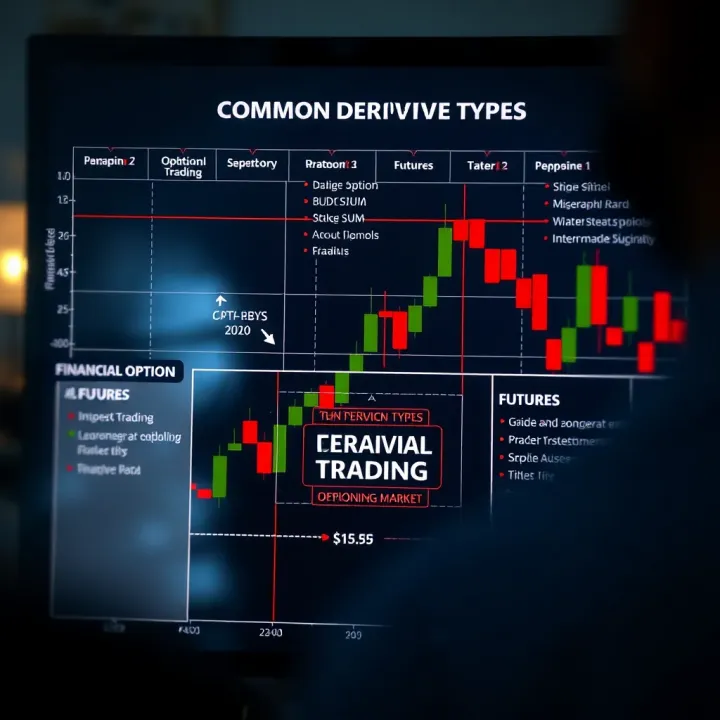
Derivative trading comes in different forms, including:
Futures contracts: Agreements to buy or sell an asset at a future date for a predetermined price. For example, a Lagos-based trader might buy a crude oil futures contract to lock in prices ahead of export.
Options contracts: These give the buyer the right, but not obligation, to buy or sell an asset at a set price before expiry. This is useful for hedging or speculative plays without tying up full capital.
Swaps and forwards: Mostly between large firms and banks, these allow exchanges of cash flows or assets for risk management.
Derivative trading is not just for big players; Nigerian retail investors can benefit by managing risks or speculating within regulated frameworks. However, it demands clear understanding of how price movements affect contract values.
Risks involved include leverage-induced losses, market volatility, and counterparty risk in OTC deals. Yet, benefits like portfolio diversification, risk hedging, and potential income streams attract many investors.
This guide will further explain how the Nigerian market works for derivatives, the regulatory environment set by the Securities and Exchange Commission (SEC) Nigeria, and practical advice for getting started safely and strategically in derivative trading.
Derivative trading plays a vital role in today’s financial markets, especially for Nigerian investors seeking to manage risks or explore new profit avenues. Understanding how derivatives work gives you practical tools to protect your investments from price swings or to capitalise on market moves without owning the actual assets.
This section lays the foundation by explaining what derivatives are, their underlying assets, and why traders engage with them. Knowing these basics helps you approach derivative trading with clearer objectives and a better grasp of how your money can work in different market conditions.
Derivatives are financial contracts whose value depends on an underlying asset’s price. Unlike buying stocks or commodities outright, when trading derivatives you don’t own the asset itself but agree on terms tied to its future price movements. This setup lets you benefit from price changes without needing to hold the asset physically or fully upfront.
For example, a Nigerian farmer might use an agricultural futures contract to lock in a selling price for maize next harvest season, protecting against price drops. Likewise, an investor could use stock options to speculate on companies listed on the Nigerian Stock Exchange without buying shares directly.
Underlying assets in derivative contracts refer to the specific items or market indicators that the contract’s value is based on. These can include:
Stocks of Nigerian companies like Dangote Cement or MTN Nigeria
Commodities such as crude oil or cocoa, which Nigeria exports
Forex pairs involving the Nigerian Naira (₦) and currencies like the US dollar ($) or Euro (€)
Market indices, for instance, the NGX All-Share Index
By linking contracts to these assets, derivatives offer flexible ways to access Nigerian markets or global commodities for both hedging and profit purposes.
Hedging against price changes is a major reason. Nigerian businesses exposed to fluctuating costs—like petrol importers or agricultural exporters—can use derivatives to stabilise cash flows. By locking in prices in advance, they reduce the risk of sudden market shocks wiping out their profits.
Speculation and profit opportunities also drive derivative trading. Traders in Lagos or Abuja might bet on the Naira’s weakening against the dollar by buying currency options. If the Naira falls as expected, they gain from the contract’s value rise without needing large sums to buy the currency outright.
Finally, derivatives assist in portfolio management and risk diversification. Instead of holding only stocks or bonds, Nigerian investors can add derivative contracts linked to different sectors or commodities, spreading their risk. This mix helps soften losses if any single market underperforms.
Derivative trading offers practical benefits whether you aim to protect your business from price swings, seek new profit chances, or build a more balanced investment portfolio.
Understanding these elements equips you to use derivatives wisely and take advantage of Nigeria’s evolving financial markets.
Derivative trading in Nigeria revolves mainly around three types: futures, options, and swaps. Understanding these allows investors to manage risks, speculate smartly, or optimise portfolios amid the volatility of Nigerian markets. Each derivative type serves different needs and works differently in practice.
How futures work: Futures contracts are agreements to buy or sell an asset at a specified price on a future date. This setup locks in prices, helping traders and businesses shield themselves from price swings. For example, a Nigerian farmer can sell a futures contract for maize to guarantee a price before harvest, protecting against any price drop later.
Futures trading requires margin deposits but not the full asset value upfront. Price changes influence margin calls, which can either require more funds or release some depending on market moves.
Typical underlying assets in Nigerian futures markets: In Nigeria, futures often relate to agricultural products like cocoa and palm oil, commodities such as crude oil, and sometimes financial instruments. The Lagos Commodities and Futures Exchange (LCFE) is one platform where such contracts trade, providing transparency and opportunity to manage exposure.
For instance, an oil trader might use futures to hedge against naira fluctuations that affect oil prices. Similarly, cocoa exporters use these contracts to stabilise incomes amidst changing global demand.
Call and put options explained: Options give the buyer the right, but not the obligation, to buy (call) or sell (put) an underlying asset at a predetermined price within a certain timeframe. This flexibility makes options valuable for risk management and speculation.
If you expect a rise in a stock’s price, buying a call option lets you profit without committing to the full stock upfront. Conversely, a put option protects holdings by allowing a sale at a fixed price even if the market drops.
Practical examples relevant to Nigerian investors: Suppose a trader in Nigerian bank shares anticipates growth in GTBank stock but wants to limit risk. Buying call options on GTBank shares allows participation in gains with smaller capital and capped losses. Meanwhile, investors holding shares can purchase put options as insurance against market downturns.
Options on currencies like the naira also help exporters and importers manage FX risks without locking funds in long-term contracts.
Interest rate swaps: These contracts involve exchanging fixed interest payments for floating rates or vice versa to manage exposure. Nigerian companies with loans linked to variable rates might use swaps to stabilise their financing costs, especially when CBN adjusts monetary policy rates.
Currency swaps and their use in Nigeria: Currency swaps allow parties to exchange principal and interest payments in different currencies. This is particularly useful for Nigerian firms involved in cross-border trade or foreign debt repayment, as it mitigates exchange rate risks.
For example, a Nigerian importer expecting dollar payments may enter a currency swap to fix the exchange cost against naira fluctuation, smoothing budgeting.
Credit derivatives overview: Credit derivatives transfer the risk of default on loans or bonds without transferring the underlying asset. In Nigeria, banks and financial institutions may use these instruments to manage credit risk in their portfolios, especially with rising concerns about non-performing loans in the banking sector.
Understanding the specific types of derivatives traded in Nigeria helps investors align their strategies with market realities. Each derivative serves a purpose—whether it’s locking prices, managing risks, or speculating—and knowing their practical uses is key to trading successfully in local markets.
By mastering futures, options, and swaps, Nigerian investors can navigate price volatility, forex uncertainties, and interest rate changes more confidently.
Understanding how derivative trading operates in real life is essential to becoming a smart investor in Nigeria. Derivatives don’t trade in isolation—they depend on market mechanisms, platforms, and actors who each play their roles. Knowing these elements helps you navigate risks and seize opportunities effectively.
There are numerous brokers available for Nigerian investors interested in derivatives. Local brokers like Meristem Securities and ARM Securities provide tailored services that understand Nigeria’s market peculiarities, such as naira exchange volatility and local regulatory compliance. On the international front, firms like Interactive Brokers and Saxo Bank give access to global derivatives markets including commodities and forex, which Nigerians increasingly look towards for portfolio diversification.
Choosing between local and international brokers often hinges on factors like product availability, trading costs, ease of fund transfer, and customer support. For example, a trader wanting exposure to Nigerian agricultural commodity derivatives may prefer a local broker, while someone aiming at crude oil futures might lean on international platforms.
Technology is central to derivative trading today. Platforms like Meritrade or Bamboo offer user-friendly interfaces allowing Nigerians trade futures and options with ease. Mobile apps have made trading more accessible, even for those outside Lagos or Abuja. They support real-time market data, order execution, and portfolio monitoring.
Having a robust online platform means you can react swiftly to market changes, such as sudden naira fluctuations or unexpected economic data releases. Also, mobile-enabled access suits the Nigerian lifestyle, where traders often balance other jobs or businesses alongside market activity.
Market participants include hedgers, speculators, and arbitrageurs, each with distinct roles. Hedgers, like Nigerian farmers or oil producers, use derivatives to lock in prices, protecting income against price falls. Meanwhile, speculators aim to profit from price moves without owning the underlying asset. For instance, a Lagos-based trader might speculate on currency futures due to expected naira depreciation.
Arbitrageurs look for price differences between markets to earn low-risk profits, enhancing overall market efficiency. Their activity ensures derivative prices reflect underlying assets fairly.
Banks and corporations are heavy users of derivatives in Nigeria. Commercial banks hedge interest rate risks or currency exposure on foreign loans. Exporters use currency swaps to manage payment uncertainties. These institutions provide market liquidity, making it easier for retail investors to enter or exit positions.
Corporations also tailor derivatives contracts for projects, such as fixed-rate swaps for infrastructure financing, which highlights derivatives’ practical corporate uses beyond pure trading.
Derivatives settle either by physical delivery of the underlying asset or cash settlement. In Nigeria, many contracts settle in cash due to logistical challenges in delivering commodities or stocks. Cash settlement means traders receive the net difference between contract price and market price at expiry, avoiding the hassle of physical exchange.
For example, a maize futures contract might settle in cash, reflecting local producers' preference due to storage constraints.
Every derivative contract has a fixed expiry date, by which the contract must be settled. Traders must be aware of the timing as expiry affects liquidity and price behaviour. Closer to expiry, markets may see increased volatility or contract rollovers.
If a trader ignores expiry, they may inadvertently take delivery of assets or face forced settlement, which could be costly or impractical. Understanding expiry mechanics is crucial for proper risk management and timing.
Knowing how derivatives operate in daily trading practice is key for Nigerians to avoid pitfalls and maximise benefits. It not only guides decision-making but also builds confidence in managing one’s portfolio in volatile markets.
Derivative trading carries significant risks that Nigerian investors must understand before taking part. Unlike traditional investments, derivatives are complex and can amplify both gains and losses. Being aware of these risks—especially market volatility, leverage dynamics, and regulatory requirements—helps you safeguard your capital while navigating this fast-moving market.
Price swings strongly influence the value of derivative contracts because their worth is tied directly to the underlying asset. For example, if you trade commodity futures like crude oil or agricultural products, sudden price drops can quickly erode your position, sometimes leading to losses beyond your initial outlay. This volatility stems from economic factors, political events, or changes in demand and supply that are often unpredictable.
To manage exposure, traders use limits and stop-loss orders. These tools automatically close or adjust positions when certain price points are hit, helping cap potential losses. Suppose you hold a futures contract on maize, and prices fall below a set level; a stop-loss can close your position before losses deepen. This approach is especially useful for Nigerian investors who face currency fluctuations and commodity price swings regularly.
Leverage allows traders to control large contracts with a fraction of the total value, magnifying potential returns but also risks. With derivatives, a small initial deposit can give exposure to ₦1 million or more in assets. While leverage boosts buying power, it also means losses can accumulate quickly if prices move unfavourably.
Over-leverage is a common pitfall in Nigeria, where inexperienced traders may borrow or commit funds far beyond what their balance can handle. This can wipe out savings fast, especially during the ember months when market uncertainties often spike. Always use leverage cautiously and know your risk tolerance. Starting small while practising with demo accounts can prevent severe financial damage.
The Securities and Exchange Commission (SEC) regulates derivative trading in Nigeria to ensure market integrity and protect investors. They oversee compliance by brokers and enforce rules to prevent fraud, insider trading, and market manipulation. Nigerian investors can be confident when dealing with SEC-licensed platforms as these entities must meet minimum operational and financial standards.
Compliance requirements also include disclosures on trading risks and transparent pricing. Brokers in Nigeria are expected to educate clients on the complexities of derivatives and ensure suitability based on an investor’s knowledge and financial capacity. This framework aims to reduce cases of exploitation and promote responsible trading behaviours among Nigerians.
Understanding the risks and regulatory safeguards is vital for any investor stepping into derivatives. It helps you trade smarter, avoid pitfalls, and protect your funds from unnecessary exposure.
For Nigerian investors, stepping into derivative trading can open up new pathways to diversify investment portfolios and manage risks better. This section focuses on practical steps to prepare for trading derivatives, addressing what beginners need to know and the essential choices they must make. Gaining a solid foundation is not just about understanding trading concepts but also about identifying the right partners and tools tailored to the Nigerian market.
Before diving into derivatives, grasping the fundamentals of financial literacy is crucial. This knowledge includes understanding how financial markets operate, the nature of various asset classes, and basic accounting principles. For instance, knowing how interest rates or foreign exchange rates fluctuate in Nigeria helps you anticipate factors that affect derivative prices. Without this groundwork, even the smartest strategies risk failure.
Market analysis involves studying past price movements and economic data to predict future trends. Nigerian traders often combine fundamental indicators—like CBN monetary policy changes or NGX market performance—with technical tools such as moving averages and candlestick charts. These tools can highlight entry and exit points in derivative trades. Familiarity with platforms offering real-time data and charting tools, like some local brokers or international apps servicing Nigeria, adds an edge to trading decisions.
Selecting a broker or trading platform that suits your needs matters greatly. Nigerian investors should prioritise brokers regulated by the Securities and Exchange Commission (SEC) Nigeria to ensure compliance and protection. Also, check if the broker supports local payment options like bank transfers or USSD codes, as convenient funding is key to quick trade executions.
Traders must be aware of commissions, spreads, and hidden charges that can reduce profitability. Some brokers offer zero-commission trading but widen spreads, which impacts cost differently. Robust customer support from brokers who understand Nigerian market nuances—availability in local languages or responsive help desks during Nigerian trading hours—ensures issues are resolved quickly, especially during volatile market sessions.
Managing risk is non-negotiable, particularly in derivatives trading where leverage can magnify losses. Nigerian investors should set clear limits through stop-loss orders and avoid overexposing their capital. Diversifying derivative positions across different asset types, such as equities and commodities, can also help reduce overall risk.
Most reliable brokers offer demo accounts where beginners can practice without risking real money. Using these helps understand market behaviour and platform features before actual trading. Starting with small investments also safeguards against steep losses as you learn. For example, investing ₦10,000 initially allows you to test strategies without exposing your entire portfolio.
Getting ready for derivative trading means combining the right knowledge, tools, and choices. Nigerian investors who build this foundation will increase their chances of trading successfully in an often volatile landscape.
Explore synthetic trading in Nigeria's markets 📈. Learn how synthetic positions work, common strategies, risks, and practical tips for traders and investors.
Explore how automated trading systems work, their benefits, risks, and tips for success in Nigeria’s market. 📈💻 Get practical insights on modern trading!
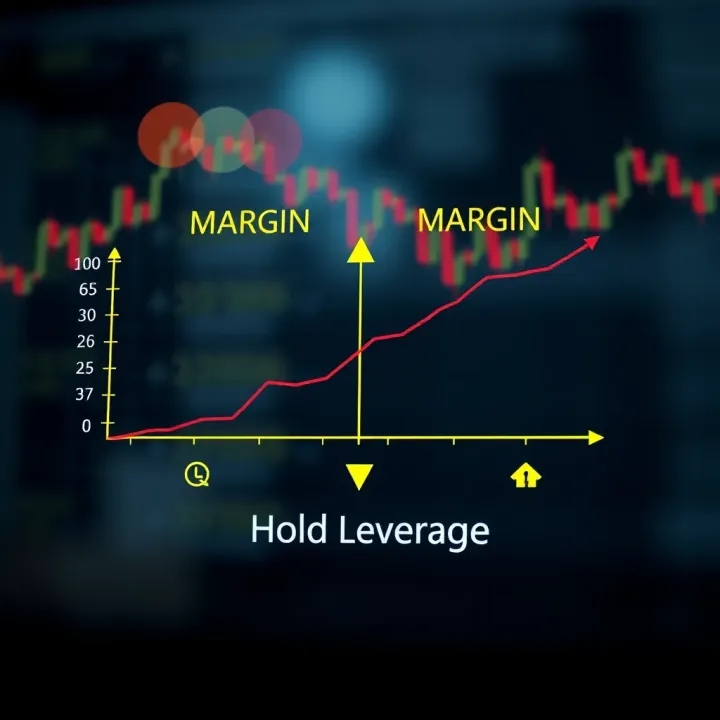
📊 Learn what margin means in forex trading, how Nigerian traders can manage it wisely, understand leverage, broker rules, and avoid big losses.
🔍 Discover how synthetic indices work, their benefits, risks, and practical tips for trading them safely in Nigeria's market. 📈💡
Based on 7 reviews