
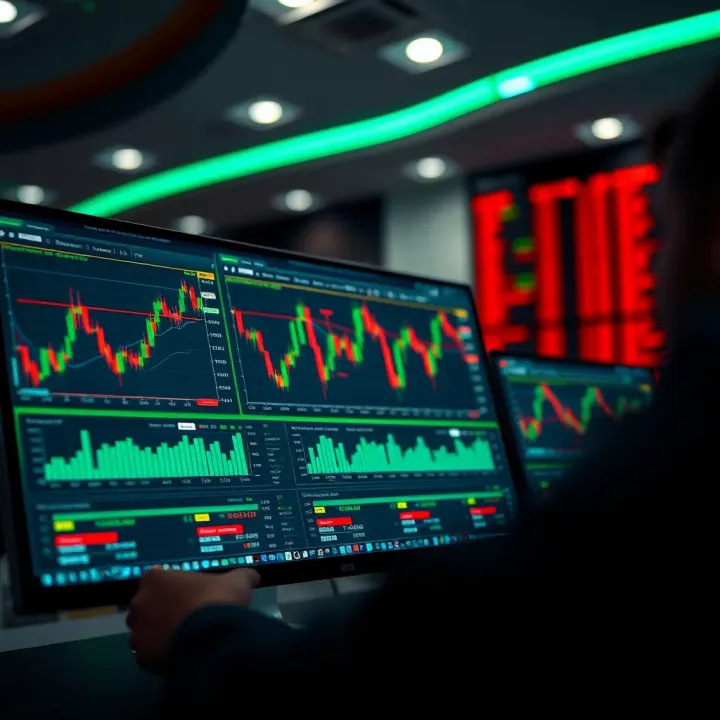
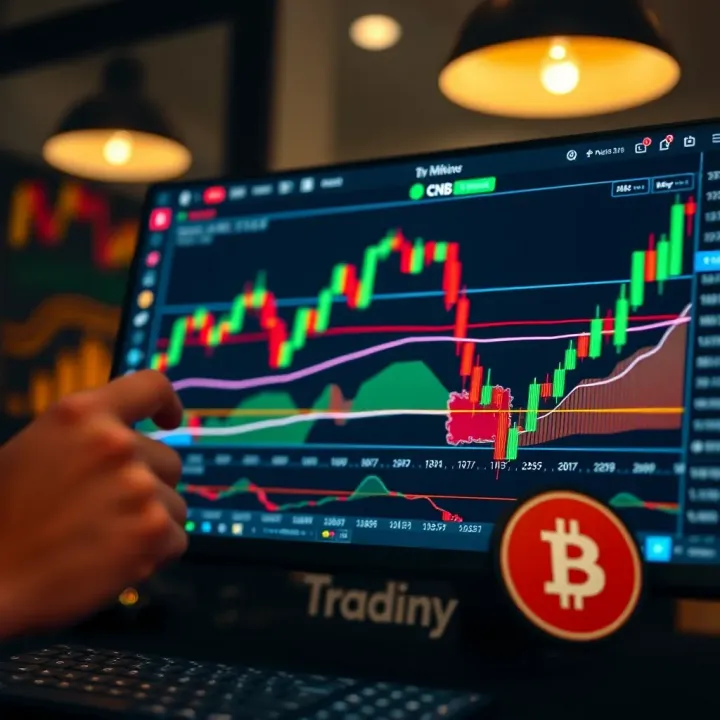
Using TradingView with Deriv for Nigerian Traders
Discover how Nigerian traders can boost profits by combining TradingView📈 with Deriv's platform💹. Learn setup tips, strategies, and regulatory advice⚖️ here!
Edited By
Sophia Turner
In Nigeria's fast-moving financial markets, understanding leverage can make or break your investment success. A leverage calculator is a straightforward tool that helps traders and investors see how borrowed funds affect their potential profits and losses. Rather than guessing, this calculator gives you a clear view of how much risk you carry when you use borrowed money to boost your investment.
Leverage means borrowing capital to increase your exposure to an investment beyond what your own money can afford. Imagine you have ₦100,000 but want to control ₦500,000 worth of shares. With a leverage ratio of 5:1, you borrow the remaining ₦400,000. Using the calculator, you can quickly find out how much profit or loss you might make if the investment’s value changes by a certain percentage.

This is particularly important in the Nigerian context where markets like the Nigerian Exchange (NGX) experience volatility linked to oil prices, political events, and economic policies. Leverage amplifies both gains and losses, so knowing the exact amount of exposure helps you manage your capital wisely.
Without a clear grasp of leverage, you risk overstretching your investments and facing heavy losses, especially in fast-moving sectors like forex trading or equities.
Using a leverage calculator offers several benefits:
Risk assessment: Understand how much your losses could be multiplied when prices move against you.
Position sizing: Decide the right amount of borrowed funds to match your risk appetite and portfolio size.
Margin requirements: Check the minimum collateral needed to open or maintain leveraged positions.
A practical example: If you want to buy ₦1,000,000 worth of stocks but only have ₦200,000, a leverage calculator shows what your return and risk would look like with a 5:1 leverage. It can also calculate the liquidation price – the point where your position gets closed automatically if the market goes against you.
In summary, a leverage calculator isn't just for forex or stock traders abroad; it’s a vital tool for anyone involved in Nigeria's financial market. It helps you make smarter, safer decisions so your money works hard without exposing you to unnecessary danger.
Investors and traders often face the tricky balance of maximising returns while managing risks. A leverage calculator steps in as a straightforward tool to map out how borrowed funds affect this balance. Understanding what it does and why it matters is key to making smarter financial moves, especially in Nigerian markets where access to capital and market volatility are ongoing challenges.
Leverage in finance simply means using borrowed money to increase the potential return of an investment. For instance, if you have ₦100,000 but borrow an additional ₦400,000, you now control ₦500,000 worth of assets. This amplifies your exposure, meaning your profits can grow larger if things go well. However, the flipside is that losses also multiply just as fast. This double-edged effect of borrowing can either boost your gains or wipe you out quicker than you expect.
In stock trading and forex, leverage allows traders to control a larger position with a smaller amount of capital. On Nigerian platforms, you might see leverage ratios ranging from 1:5 to 1:20, depending on regulations and broker policies. For example, using 1:10 leverage in forex means you only need ₦10,000 to trade ₦100,000 worth of currency pairs. This makes the market far more accessible but raises the stakes, since currency fluctuations in forex trading can be swift and intense.
The difference between the money you bring (own capital) and what you borrow is crucial. Own capital acts as your safety net; borrowed capital extends your reach but can expose you to margin calls if your investment drops in value. If your positions lose exceeding the money you put in, the broker steps in to recover the loaned funds, sometimes forcing you to sell assets at unfavourable prices. Knowing how much of your trading involves borrowed money helps you control your risk better.
A leverage calculator helps you estimate how much profit you could make by multiplying your investment with borrowed funds. Imagine planning to buy shares worth ₦1 million with ₦200,000 of your own money and leverage of 1:5. The calculator shows your potential gains if the share price rises by a certain percentage, making it clear how leverage lifts your possible returns beyond what your own capital alone would allow.
Apart from returns, the calculator also reveals possible losses based on your leverage level. It provides scenarios where market moves against you, illustrating how quickly a small decline may erode your initial capital. This helps traders understand margin calls and helps them avoid sudden forced liquidation, common pitfalls in volatile markets like the Nigerian Exchange (NGX) or forex tables.
Using a leverage calculator means investors can weigh potential rewards against risks before committing funds. It supports better judgement by providing a clear picture of how much exposure they’re taking on. This matters a lot in environments with fluctuating naira exchange rates and occasional market shocks. Instead of guessing or being caught off guard, you make choices grounded on concrete projections and tailored to your risk appetite.
Proper use of a leverage calculator transforms speculation into calculated strategy, enabling traders and investors to navigate Nigerian financial markets with greater confidence and control.
By understanding both sides of leverage and using calculators wisely, you protect your investment while positioning yourself for sensible growth. This approach is especially useful in Nigeria’s dynamic markets where leverage can either open opportunities or trigger losses faster than many expect.
Using a leverage calculator properly can make a real difference in how you manage risks and returns on your investments. For Nigerian traders and investors, especially in forex or equities on the Nigerian Exchange (NGX), it helps to break down complex figures into clear, actionable data. This way, you avoid surprises and make decisions based on solid estimates, not guesswork.
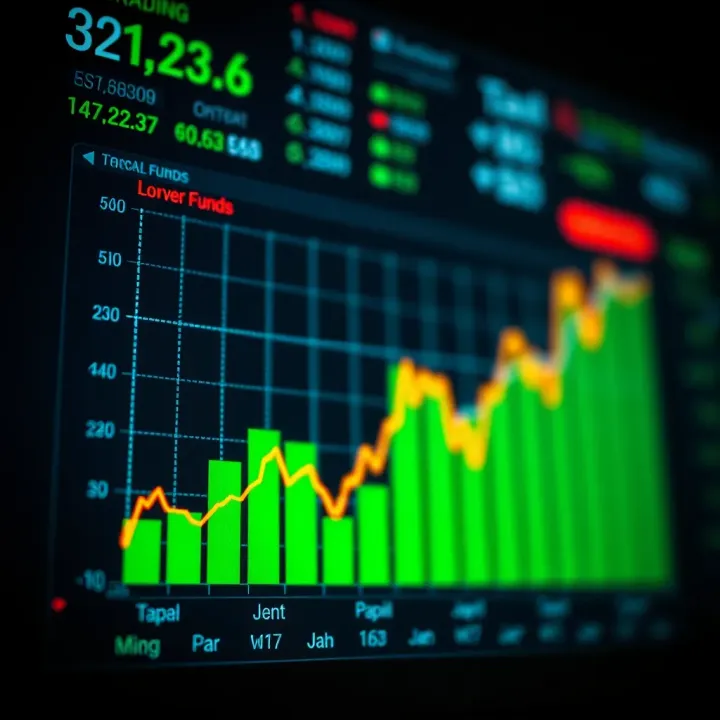
Start with the exact amount of money you plan to invest or trade. This base figure sets the foundation for all your calculations. For instance, if you have ₦500,000 to invest in forex, entering this amount into the calculator helps determine how much purchasing power you gain with leverage. Without an accurate investment amount, the results won’t reflect your true exposure.
This figure shows how many times your initial investment can be multiplied. A leverage ratio of 10:1 means every ₦1 you put in controls ₦10 worth of assets. In Nigerian forex markets, brokers may offer leverage from 10x up to 100x. Picking the right ratio matters; too high means potential big losses if things swing against you. You'll want to select a ratio that fits your risk appetite and trading style.
Margin is the collateral you must keep with your broker to open and maintain a leveraged position. For example, if your broker requires a 5% margin on a trade of ₦1 million, you need to have ₦50,000 available. The margin ties directly to leverage since the higher the leverage, the smaller your margin—but also the greater your risk. Knowing this prevents unexpected margin calls that can force you out of the market abruptly.
Begin by punching in your trade size (how big the position you want to take is) and your chosen leverage ratio. So, if you want to control ₦1,000,000 worth of forex contracts but only have ₦100,000, your leverage is 10:1. The calculator will take these numbers and show you how much capital you actually commit.
The calculator provides a breakdown of potential profit and loss based on price movements relative to your position. For example, a 2% increase in the asset price might yield a 20% gain on your invested ₦100,000 with 10:1 leverage. Conversely, a 5% drop could mean a 50% loss. Seeing these scenarios clearly lets you weigh whether the risk is acceptable given market conditions.
Good traders experiment with different leverage ratios, trade sizes, and price change percentages to prepare for various market scenarios. By adjusting these inputs in the leverage calculator, you can test how much loss you can tolerate before triggering a margin call or forced liquidation. This proactive approach sharpens your risk management strategy and helps avoid costly mistakes.
A leverage calculator isn't just a tool for potential gains but a safety net to understand risks upfront, especially amid Nigeria’s volatile market conditions and exchange rate swings.
Using these steps, investors and traders in Nigeria can confidently handle leverage, protecting their capital while aiming for meaningful returns.
Leverage calculators serve as vital tools for Nigerian investors navigating both local and global financial markets. These calculators allow traders to accurately assess how borrowed funds impact potential profits and risks, which is particularly relevant given Nigeria's dynamic and sometimes volatile economic environment. In a market often affected by naira fluctuations, inflation, and regulatory changes, understanding leverage becomes essential to avoid unnecessary losses.
Nigerian forex platforms like MT4, and brokers such as CardinalStone Securities and Meristem Securities, offer varying leverage limits, often capped at 1:50 or 1:100 depending on regulations and asset classes. A leverage calculator helps traders evaluate how changing these ratios affects their exposure, helping them avoid margin calls especially during heightened volatility. For example, a trader on a platform with 1:100 leverage needs to be especially mindful due to the amplified risk of losing more than their invested capital.
On the Nigerian Exchange (NGX), leverage use is still growing, primarily through margin trading services offered by some brokers. Here, leverage calculators support investors in estimating how much capital to commit and the possible returns or losses under different market movements. This is valuable for managing risks in equities where market swings can be sharp, especially during ember months when market activities peak.
Compared to global markets like the NYSE or forex hubs in London and Dubai, Nigerian leverage caps tend to be lower. This reflects a cautious regulatory stance by the Central Bank of Nigeria (CBN) and SEC Nigeria, aiming to protect retail investors. Leverage calculators bridge the knowledge gap, helping Nigerian traders understand these differences so they can adopt strategies suited to the local levelling of risk and reward.
Fintech platforms like Kuda, Bamboo, and Trove are making leverage more accessible to small investors by integrating leverage options alongside traditional investment tools. These apps often include leverage calculators within their interfaces, enabling users to comprehend potential outcomes before committing funds. This immediacy helps reduce impulsive trading driven by hype.
Using leverage calculators also boosts financial literacy among Nigerian investors by simplifying complex calculations. Users quickly see how leveraging affects returns and losses, promoting more thoughtful decision-making. As many Nigerians are new to investing, this feature acts as a guide, ensuring smarter money management.
Notable Nigerian startups like OpenInvest and Risevest have incorporated leverage calculators or similar risk-assessment tools. Their mobile apps typically provide user-friendly dashboards showing various scenarios with leverage applied, alongside educational content. By doing so, they foster an environment where investors can balance ambition without overstretching resources.
For Nigerian investors, having access to a leverage calculator is no longer a luxury but a practical necessity, especially amid market complexities and shifting economic landscapes.
In summary, leverage calculators play an increasingly important role across Nigerian forex and stock trading, particularly as fintech innovations drive greater market participation. They support risk awareness, empower small investors, and align local trading practices with cautionary regulatory frameworks. Understanding their practical applications will help traders manage leverage prudently and improve their chances of achieving stable financial growth.
Using leverage can boost your potential profits, but it also brings considerable risks that every trader and investor must understand. Awareness of these risks is crucial, especially in Nigeria’s sometimes unpredictable market conditions. A leverage calculator helps visualise these risks by showing how borrowed funds can multiply both gains and losses.
Leverage magnifies profits, but losses increase just as quickly. For example, if you use 10:1 leverage and the market moves against you by 5%, your capital could shrink by 50%. This sharp impact means a small market shift can wipe out your investment faster than anticipated. Many Nigerian traders sometimes mistake leverage only for its profit potential, overlooking the speed at which losses stack up.
When your losses shrink your margin below the broker’s required level, you face a margin call. This means you must add more funds immediately to keep your position open. Failure to do so leads to forced liquidation, where your assets get sold off to cover the debt. This risk is real for many Nigerian investors, especially during high volatility seasons like ember months when forex rates and NGX stocks fluctuate wildly.
The unstable naira adds another layer of risk for those using leverage in foreign currency markets or trading imported stocks. Exchange rate swings can increase debt repayments unexpectedly. Suppose you borrowed in dollars but earn and repay in naira; a sudden drop in naira value can inflate losses, making leverage riskier in Nigeria’s forex environment.
The Central Bank of Nigeria (CBN) has issued guidelines to curb excessive leverage that could destabilise the financial system. These include limits on foreign currency borrowing and tighter controls on margin trading. Traders and brokers must operate within these rules, affecting the maximum leverage ratios that are legally permitted.
Individual brokers on the Nigerian Exchange (NGX) and forex platforms often impose stricter leverage limits than regulatory minimums to protect clients. For instance, some platforms cap leverage at 5:1 or lower depending on the asset’s risk profile. These limits aim to minimize forced liquidations and encourage sustainable trading practices.
Using leverage without caution can easily lead to financial ruin. Responsible traders assess their risk tolerance, use leverage ratios that suit their experience level, and plan exit strategies beforehand. Combining leverage calculators with stop-loss orders and careful position sizing helps Nigerians protect their capital against unexpected market swings.
Traders should never treat leverage as free money. It is borrowed power that needs respect and proper management to avoid swift losses.
Understanding these risks and regulatory safeguards lets you make smarter financial decisions while using leverage in Nigeria’s markets. Always assess your position clearly and avoid over-leveraging beyond what you can comfortably sustain.
Managing leverage wisely is essential to safeguard your investments, especially considering the volatile nature of Nigerian financial markets. Proper management helps you avoid excessive losses and maintain control over your trades. By setting realistic limits and combining leverage with effective risk tools, you build a stronger defence against market swings.
Assessing your risk tolerance is the first step before deciding how much leverage to apply. This means understanding how much loss you can comfortably bear without panicking or making rash decisions. For example, traders who cannot stomach big swings might prefer a lower leverage ratio to keep potential losses manageable. Leverage calculators aid this process by simulating different scenarios based on your input, helping you pick an approach that matches your comfort level.
Choosing suitable leverage ratios goes hand in hand with risk tolerance. If you're new to trading or operating within the Nigerian market where currency fluctuations can be sharp, starting with a low leverage, such as 2:1 or 3:1, is often safer. Increasing leverage amplifies both gains and losses, so picking a ratio that balances growth potential and risk is key. Use the calculator to compare outcomes at various ratios before committing.
Planning exit strategies is crucial when using leverage. You should always know when and how you'll exit a position, whether to lock in profits or cut losses. A clear exit plan avoids emotional decisions during market volatility. For instance, set target prices or stop levels in advance based on what the leverage calculator shows as viable withdrawal points. This discipline is what separates successful traders from those who lose due to impulsive reactions.
Stop-loss orders and position sizing are practical shields when trading with leverage. Stop-loss orders automatically close a trade at a predefined price to limit losses. Coupled with careful position sizing—meaning you don’t risk too much capital on a single trade—these tools help you avoid catastrophic blows. In Nigeria, where forex brokers like FXTM or local platforms provide these tools, combining them with your calculated leverage ensures you trade within safe boundaries.
Diversification alongside leverage reduces the overall risk exposure in your portfolio. Rather than putting all your funds into one leveraged trade, spreading investments across various stocks or currencies helps absorb shocks. For instance, balancing leveraged investments in the Nigerian Exchange (NGX) with stable assets reduces the risk of losing everything if one market sector dips unexpectedly.
Regular review and adjustment of positions keeps your leverage strategy relevant amid changing market conditions. Naira fluctuations, economic reports, or political events can alter risk profiles quickly. Checking your open positions weekly or monthly and adjusting leverage or stop-loss levels accordingly prevents unexpected losses. It also gives you the chance to take profits and reallocate funds smartly.
Protecting your investments through disciplined leverage management and risk tools is the surest way to build wealth steadily, especially in dynamic markets like Nigeria’s.
By using leverage calculators effectively alongside these tips, you take control of your financial decisions with clear, practical guidance rather than guesswork.
Discover how Nigerian traders can boost profits by combining TradingView📈 with Deriv's platform💹. Learn setup tips, strategies, and regulatory advice⚖️ here!
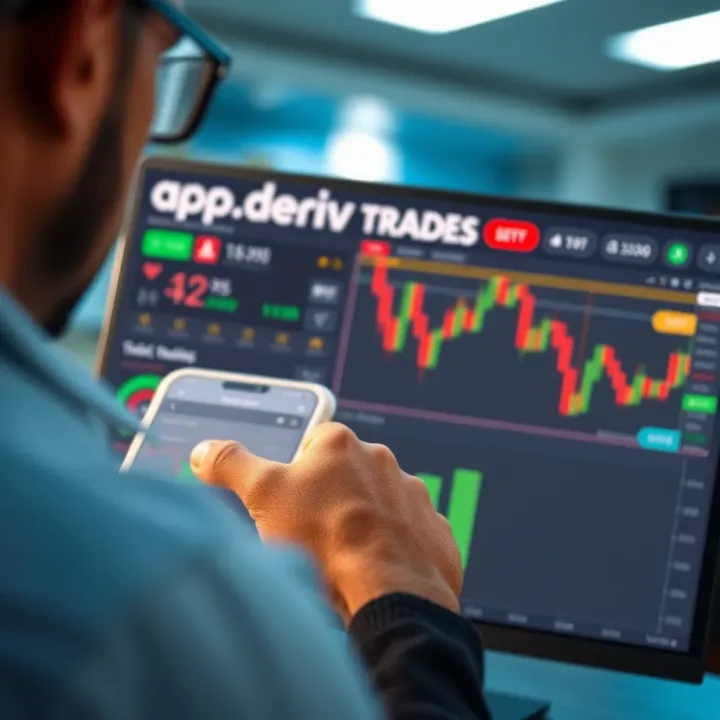
Explore app.deriv for trading💹 with essential tips, account setup🔐 & security advice🇳🇬 tailored for Nigerian traders seeking smart strategies.
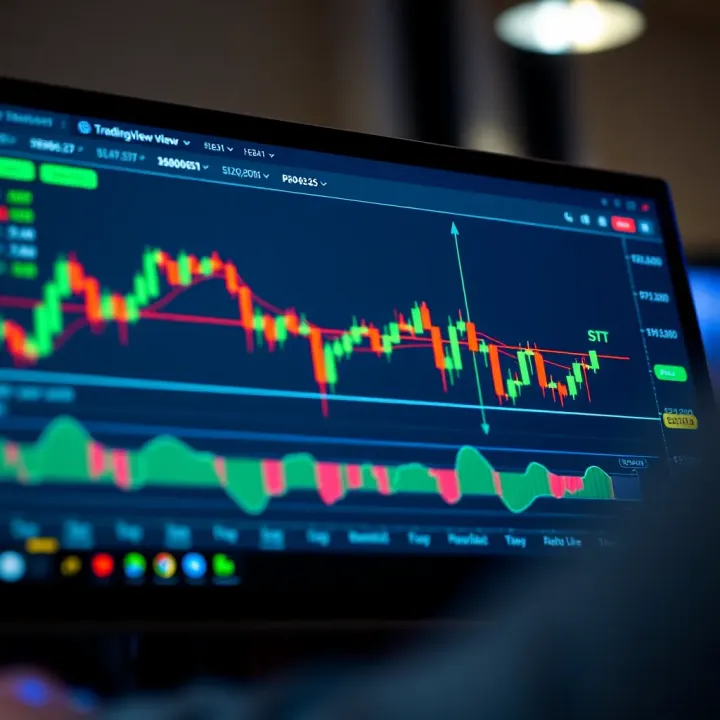
📈 Learn how Nigerian traders can master TradingView on Deriv! Explore charting tools, smart strategies & customization tips for better trading decisions 📊
📊 Learn how Nigerian traders can master binary options with TradingView! Explore chart tools, broker links, strategies & risk management tips.
Based on 5 reviews