
XAUUSD Forecast: Today's Gold Price Insights
📈 Stay ahead with today's XAUUSD forecast! Explore how economic trends, geopolitics, and market shifts impact gold prices for smart trading decisions.
Edited By
Margaret Collins
Gold has always been a go-to for investors when uncertainty creeps in. Its long-standing reputation as a safe haven makes XAUUSD—a trading pair showing gold's value against the US dollar—a popular barometer for financial markets worldwide. But understanding its price swings isn’t just about watching market headlines; it’s a blend of economic signals, geopolitical shifts, and market psychology.
In this article, we'll break down the key factors influencing gold prices, from the impact of interest rates and inflation to how wars or political tensions can feed into price moves. We’ll also look at some technical tools traders use to spot trends and make educated bets on where prices might head next.
This is not just for traders glued to their screens but for anyone wanting a grip on how gold reacts in different scenarios. Knowing what shapes the XAUUSD price helps you avoid knee-jerk reactions and, hopefully, make smarter investment calls.
Understanding the XAUUSD pair is crucial for anyone looking to trade gold or analyze its price movements. This overview sets the foundation for better grasping how gold interacts with the US dollar and the wider financial markets. By focusing on the relevant aspects of XAUUSD, traders and investors can make smarter choices based on clearer insights.
XAUUSD represents the price of one troy ounce of gold quoted in US dollars. It’s the standard way traders worldwide measure gold’s value against the greenback. Unlike stocks or standard forex pairs, XAUUSD is unique because gold itself is a physical asset, long valued not just for beauty but as a wealth store. This trading pair is highly liquid and usually moves more slowly than currencies like EUR/USD but can experience sizeable moves during market upheavals.
Gold prices usually move inversely to the US dollar. When the dollar weakens, gold tends to rise, making it costlier in foreign currency terms. This happens because gold is priced in dollars globally, so a weaker dollar means it takes more greenbacks to buy the same ounce of gold. For instance, if the Federal Reserve cuts interest rates unexpectedly, the dollar might slide, prompting gold prices to spike as investors seek a hedge.
Gold’s role stretches beyond just a commodity; it acts as a barometer of global economic confidence. Central banks hold substantial gold reserves, and sudden spikes in XAUUSD often signal market nervousness. For example, during times of geopolitical strife or inflation fears, investors flock to gold as a safe store of value. That makes XAUUSD a critical asset to monitor for any trader or analyst interested in broader market trends.
In uncertain times, gold is the go-to investment—think of it as the financial equivalent of an old reliable umbrella in a downpour. When stocks tumble or crises unfold, gold often holds up or even shines brighter. This is why many traders turn to XAUUSD when the economic forecast looks rocky, using it as a shield against volatility.
Including gold can balance an investment portfolio because it generally doesn’t move in sync with stocks or bonds. For example, in 2020 during the pandemic, while stock markets saw wild swings, gold prices moved steadily higher, providing stability for those who had exposure. Traders and fund managers track XAUUSD closely to tweak asset allocations, aiming for a smoother ride.
Since gold is both a commodity and a currency-like asset, shifts in its price can ripple across multiple markets. A strong gold price might hint at weaker commodity currencies like the Australian or Canadian dollar, which are often tied to resource exports. Similarly, commodity traders watch XAUUSD to gauge overall demand and risk appetite, making gold an essential piece in the puzzle for cross-market strategies.
Keeping an eye on XAUUSD offers a window into global market moods, helping traders react appropriately to unfolding economic stories.
Understanding what moves the gold price against the US dollar isn't just an academic exercise—it's crucial for anyone looking to trade or invest in XAUUSD. Gold’s price responds to a mix of economic, political, and market forces, making it a complex yet fascinating instrument to follow. When these factors align in certain ways, they can open up trading opportunities or signal caution.
This section breaks down the main drivers behind gold price shifts, illuminating how you can use this knowledge for better decision-making. From raw data like inflation numbers to the mood swings of investors, each element has its story and impact.
Interest rates are the heartbeat of gold prices. When rates rise, gold often takes a hit because higher interest yields make bonds and savings more attractive compared to a non-yielding asset like gold. Conversely, when inflation creeps up, investors tend to flock to gold as a store of value to protect their purchasing power. For example, during the recent inflation spikes in various economies, such as the U.S. and Nigeria, gold prices showed notable upticks as people sought safety.
Inflation erodes the real returns of bonds and cash, pushing buyers towards gold. Traders should watch central bank announcements closely; a sudden shift, like the Federal Reserve hinting at rate hikes or cuts, can flip gold prices quickly.
Gold and the US dollar usually move in opposite directions. When the dollar strengthens, gold prices tend to fall because gold becomes more expensive for holders of other currencies. On the flip side, a weaker dollar often boosts gold demand.
Consider how the dollar's surge in early 2022 put downward pressure on gold. Traders in Nigeria, for instance, could observe how the naira-dollar exchange rate movements correlate with gold price fluctuations locally and internationally. Keeping an eye on dollar index levels provides a handy gauge for anticipating XAUUSD moves.
Gold reacts strongly to the economic environment. In good times, with robust growth, gold might lose some shine as investors prefer growth stocks or riskier assets. But when recession signals start popping up—like rising unemployment or contracting GDP—gold often regains its status as a safe haven.
For example, during Nigeria's economic slowdown phases, demand for gold surged as investors sought to diversify away from unstable markets. Recognizing signs of slowing growth helps traders position themselves ahead of possible gold price rallies.
War, unrest, or diplomatic strains often push investors toward gold. These situations breed uncertainty, and since gold holds intrinsic value and isn’t tied to any one country, it becomes a natural refuge.
Think about the spikes in gold prices seen during the Russia-Ukraine conflict. Traders who understood this link were ready when prices climbed, using it either for short-term profits or to shield portfolios.
Trade war chatter and actual tariffs impact currencies and commodities, including gold. Disruptions in supply chains or fears over economic slowdowns due to trade restrictions can move gold prices.
A good example is the US-China trade tension phases from 2018 to 2020, which saw fluctuating gold prices as investors speculated on outcomes. Staying informed on trade negotiations can help forecast potential jumps or dips in XAUUSD.
Central banks are heavy players in the gold market. When they buy gold reserves, it often signals confidence in gold’s value, providing price support. Conversely, selling off reserves might dampen enthusiasm.
For instance, the Reserve Bank of India frequently adjusts its gold reserves, affecting regional market perceptions. Monitoring statements from major central banks like the Federal Reserve, European Central Bank, or People's Bank of China offers clues about future gold price directions.
Investor mood swings can’t be ignored. When appetite for risk is high, gold may take a backseat as traders search for bigger gains in markets like equities or cryptocurrencies. If worries surface—because of volatility or poor economic news—gold buying usually picks up as a way to hedge.
A trader watching for shifts in risk sentiment, such as sudden stock market dips, can anticipate gold price jumps as a defensive move.
Gold often sees heavy speculative action, especially in futures and options. Big bets by speculators can push prices beyond what fundamentals alone would suggest.
For example, spikes in open interest on the COMEX futures market often precede big price moves. Retail traders can use this data alongside price charts to confirm the strength of movements.
When major players—like hedge funds or pension funds—adjust their gold positions, it can tilt the market. Large buy-ins or sell-offs create ripple effects, influencing smaller market participants.
The rise of ETFs like SPDR Gold Shares (GLD), which hold physical gold, made it easier for institutions to access gold markets. Tracking the flow of funds into and out of such ETFs gives a snapshot of institutional interest and potential pressure points in prices.
"Gold doesn’t just shine during crises; it moves with the collective mood and actions of the market’s biggest players. Knowing the economic signals, global events, and market sentiment provides a clearer picture to navigate XAUUSD trading."
By blending these factors thoughtfully, traders and investors in Nigeria and globally can sharpen their XAUUSD price forecasts and make smarter trades or investment choices.
Technical analysis plays a major role in forecasting the movement of gold prices against the US dollar (XAUUSD). While fundamental factors like economic stats and global events shape the broader view, technical tools offer traders hands-on insight into market behavior. They help spot entry and exit points, confirm trends, and gauge momentum — all essential for making timely decisions. Think of these indicators and chart patterns as a toolkit that helps decode what the market is saying through price movements.
Using technical analysis tools effectively can give you an edge by clarifying confusing market signals. For instance, when gold is hitting certain price levels repeatedly, technical tools help confirm if those are solid breakthrough points or just short-lived blips. They also allow you to track how momentum is building or waning, which often precedes notable price shifts. As a result, traders and analysts rely on these methods alongside fundamental analysis to form a more complete picture of XAUUSD’s likely path ahead.
Support and resistance levels are the bread and butter of technical analysis, especially for XAUUSD. Support is a price point where the gold price stops falling and starts to bounce back, while resistance is where it hits a ceiling and struggles to break through.
These levels are significant because they reflect where buyers and sellers tend to step in or exit. For example, if gold consistently rebounds around $1,900 per ounce, this price acts as support. Conversely, if it struggles to rise beyond $2,000, that level acts as resistance.
Traders use these points to set their stop-loss orders or to plan entry positions, anticipating that price will respect these levels. However, when gold breaks through a strong resistance, it can signal a strong upward move, just as breaking below strong support might tip prices lower.
Moving averages smooth out price data to reveal the underlying trend of XAUUSD. The 50-day and 200-day moving averages are popular choices. When the shorter-term average crosses above the longer one (a "golden cross"), it's often seen as a bullish signal, suggesting gold prices may rise. The opposite, a "death cross," hints at bearish momentum.
Trendlines connect price highs or lows to show the direction of the trend and possible reversal points. For instance, an upward trendline drawn by linking several higher lows indicates buying strength. If the price falls below this line, it might mean the trend is weakening.
Using moving averages and trendlines together helps traders confirm the strength and direction of price trends, so they can better time their trades.
Momentum indicators measure the speed and strength of a price move, giving clues about potential reversals or continuations. The Relative Strength Index (RSI) ranges from 0 to 100, with readings above 70 suggesting overbought conditions and potential pullbacks, while readings below 30 hint at oversold levels and possible rebounds.
The Moving Average Convergence Divergence (MACD) shows the relationship between two moving averages and can help spot shifts in momentum. When the MACD line crosses above its signal line, it often signals upward momentum; crossing below can indicate downward pressure.
For XAUUSD, these indicators help traders see when gold is running out of steam or gaining strength, allowing them to adjust their positions accordingly.
Volume—how much gold trading happens in a particular period—is like the market’s voice. A price move supported by strong volume tends to be more reliable than one on weak volume. For instance, a breakout above resistance fueled by a surge in trading volume suggests real buying interest and a higher chance the move will last.
Traders look for volume spikes during key price movements to confirm trends or reversals. So, if XAUUSD dips but volume is low, the decline might lack conviction and could reverse soon.
Volatility gauges how much and how quickly prices change. High volatility means price swings are large and swift, often reflecting increased uncertainty or big news events affecting gold. Traders track indicators like the Average True Range (ATR) to measure this.
Understanding volatility helps set expectations and manage risk. For example, during periods of high volatility, traders might use wider stop-loss levels to avoid being stopped out by normal price fluctuations.
Short-term price moves in XAUUSD are often jumpy when volatility spikes. Sudden news—say, a surprise Fed rate announcement—can send gold prices on a roller coaster.
In these times, technical setups might trigger faster but also more unpredictable moves. Traders who grasp how volatility shapes day-to-day price action can adjust their strategies, cutting back on position size or waiting for clearer signals before diving in.
In essence, combining volume and volatility analysis lets traders peel back discreet layers of market behavior, reinforcing their confidence in forecasts and trade decisions.
Technology and these tried-and-true tools together provide a more grounded approach to forecasting XAUUSD prices. By understanding and applying support and resistance, moving averages, momentum indicators, volume, and volatility measures, traders can navigate gold’s ups and downs with greater clarity and confidence.
Understanding recent trends and forecasts in the XAUUSD market is key for traders and investors aiming to navigate gold price movements effectively. This section sheds light on how past price actions connect with upcoming market expectations, providing a practical edge when deciding on trades or portfolio adjustments. Tracking these trends reveals patterns and shifts influenced by real-world events and technical indicators—knowledge that can’t be overlooked when gold's value swings.
In recent months, the XAUUSD price has been significantly shaped by a few major events. For example, rising inflation rates in the US stirred interest in gold as a hedge, pushing prices upward. Additionally, geopolitical tensions in Eastern Europe created a spike in safe-haven demand, briefly lifting gold prices. By recalling these events, traders get a better grasp of why prices moved the way they did, helping anticipate similar market reactions if comparable events occur again.
The gold price has shown a mix of steady uptrends and periods of consolidation. Notably, there was a clear resistance level near $1950, where upward momentum repeatedly slowed, indicating sellers' presence. Conversely, support around $1850 held firm during pullbacks, signaling strong buying interest. Recognizing such ranges aids traders in identifying potential breakout or reversal points — a practical insight for timing trades or setting stop losses.
Current prices hovering near $1900 fit within a medium-term historical range stretching from $1700 to $2000 over the past two years. Comparing today’s levels against these ranges provides context: prices near the upper bound may warn of overextension, while approaching lower historical levels could mark bargains. This perspective is crucial for investors weighing if gold is fairly priced or due for a correction, informing entry and exit decisions more strategically.
Most analysts are cautiously optimistic on gold for the next quarter, expecting prices to hold within the $1850-$1950 bracket. Reports from institutions like JPMorgan and Goldman Sachs emphasize gold’s role amid persistent inflation and market uncertainties. This collective outlook helps traders align their expectations with broader market sentiment instead of betting on isolated views, enabling strategies that reflect consensus trends rather than guesswork.
Bullish signs include ongoing inflation concerns and central banks’ cautious approach to tightening monetary policy, which tend to support gold prices. On the flip side, a strengthening US dollar and improving economic indicators hint at bearish pressure. Keeping an eye on these opposing forces is crucial; for instance, a sudden shift in Federal Reserve policy toward aggressive hikes could send gold prices downward sharply.
Economic events such as US CPI inflation reports, Federal Reserve meeting minutes, and employment figures often create price volatility. Traders who monitor the calendar know these releases can trigger fast moves in XAUUSD. Being prepared for such moments by setting alerts or avoiding hasty decisions can prevent unexpected losses and capitalize on short-term opportunities.
Staying in tune with recent trends and expert forecasts empowers market participants to make informed decisions, less driven by emotion and more by data-backed insights.
In summary, keeping a finger on the pulse of recent price movements, understanding expert opinions, and watching key economic events closely equips traders and investors to better forecast and respond to XAUUSD price fluctuations effectively.
When it comes to trading XAUUSD, a well-thought-out strategy can make a world of difference. Forecasts, whether derived from technical charts or fundamental analysis, offer valuable clues. But strategy is more than just prediction—it’s about managing risks, timing your moves, and keeping cool when the market swings. Let’s break down some practical approaches.
Setting stop-loss and take-profit levels is like having a safety net. When you buy or sell gold, you don’t want a sudden price rush to wipe you out. A stop-loss automatically closes your position if the price falls to a certain point, limiting losses. Conversely, a take-profit order captures your gains once the price hits a target. For example, if you buy XAUUSD at $1900 per ounce, setting a stop-loss at $1870 and take-profit at $1950 means you’re prepared if the market runs against or with you. This practice prevents emotional decision-making and keeps your trading disciplined.
Position sizing and portfolio diversification are often overlooked but key players in risk management. Instead of betting big on a single gold trade, determine the right amount to risk from your trading capital—often suggested is 1-2% per trade. Also, don't put all your eggs in one basket; mixing gold positions with other assets such as equities or bonds can reduce overall portfolio risk. In Nigeria, where currency fluctuations add complexity, diversifying helps cushion against unpredictable swings in the local market.
Hedging techniques using options and futures allow traders to minimize risk when they anticipate choppy gold prices. For example, if you own physical gold or long positions in XAUUSD, buying put options gives you the right to sell at a set price, protecting from downside. Futures contracts, meanwhile, can lock in prices ahead of volatility spikes. These tools aren’t bulletproof but serve as effective shields during uncertain times or geopolitical ups and downs.
Identifying entry and exit points can make or break your trade. Technical signals like support and resistance levels provide cues about when gold prices might rebound or retreat. Suppose technical analysis shows strong support near $1850 and resistance at $1950; entering close to the support offers a lower-risk buy zone, while booking profits near resistance avoids getting caught in reversals. Remember, timing isn’t exact science but aiming for favorable risk-reward ratios is smart.
Reacting to economic announcements is a crucial part of trading gold. Key reports like US inflation data, Federal Reserve interest rate decisions, or even Nigerian economic figures can move XAUUSD prices sharply. Traders often hold off opening new positions right before major releases or use tighter stops. For example, if CPI inflation spikes unexpectedly, gold often rallies as it’s seen as an inflation hedge. Staying alert during calendar events protects you from nasty price whipsaws.
Adjusting to shifts in market sentiment means reading the mood of the market players. Sentiment can change quickly due to news, geopolitical developments, or changes in risk appetite. If traders suddenly shy away from riskier assets, gold usually benefits as a safe haven. Conversely, when markets cheer economic growth or stable politics, gold demand might dip. Keeping an ear to analyst reports and investor sentiment indicators can guide when to lean in or pull back.
Successful XAUUSD trading isn’t just about guessing the next price move—it’s about managing risk, knowing when to jump in or out, and reacting to the bigger picture swiftly.
By combining solid risk management with smart timing, traders in Nigeria and globally can better navigate gold’s twists and turns, making informed decisions that protect their capital and optimize gains.
Understanding how to interpret forecasts for XAUUSD is essential for making informed trading decisions. This section wraps up the key insights from previous discussions and shows how combining different analysis methods can improve your judgement. The gold market doesn’t follow one clear-cut path, so using both fundamental and technical perspectives reduces the risk of being blindsided by sudden moves.
A trader using only technical charts might miss out on how, say, a surprise inflation report or geopolitical unrest can push gold prices up or down quickly. Conversely, ignoring chart patterns might lead to entering or exiting trades too late. The real value in XAUUSD forecasts comes from balancing these views.
Relying solely on either fundamental or technical analysis limits your understanding of gold price movements. Fundamentals show why prices might change, such as shifts in interest rates or political tensions. Technical analysis, meanwhile, tells you when to act by looking at price trends, support, and resistance levels. By blending these approaches, traders get a clearer picture of market conditions.
For example, if fundamental data points toward rising inflation, signaling a bullish trend for gold, but technical indicators show that prices hit a key resistance level, a trader might wait for confirmation before entering. This layered insight helps avoid rash decisions.
Gold prices can swing based on overnight events or sudden announcements, so keeping an eye on news feeds and economic calendars is non-negotiable. Whether it’s the US Federal Reserve hinting at policy changes or escalating geopolitical clashes, timely information helps traders react promptly.
Make it a habit to check reliable sources like Bloomberg, Reuters, or CNBC, especially before market opens or major economic releases. Setting alerts for significant news ensures you don’t miss events that could disrupt the price of XAUUSD.
Forecasts are educated guesses, not guaranteed outcomes. Markets don’t always behave as expected, so sticking rigidly to a single prediction can cause costly mistakes. Successful traders adapt as new information comes in, adjusting their strategies accordingly.
For instance, if your analysis points to a steady uptrend in gold but unexpected political developments trigger a sharp pullback, being ready to cut losses or move to a safer position is key. Treat forecasts as a guide, not a script.
Gold is sensitive to worldwide economic trends. Keep an eye on global indicators like US employment numbers, China’s manufacturing data, or shifts in oil prices. These can indirectly sway XAUUSD.
For example, if inflation spikes globally while major central banks maintain dovish policies, gold prices often gain ground. On the flip side, an improving global economy might reduce gold’s appeal as a safe haven.
Gold tends to jump during periods of uncertainty, but volatility can also mean quick reversals. Traders should expect and plan for sharp price swings, particularly when geopolitical crises erupt or economic forecasts are unpredictable.
Use tools like the Average True Range (ATR) for volatility measurement and consider tighter stop-loss orders to protect capital. Remember, being overexposed in volatile times is like walking a tightrope without a safety net.
Markets don’t stay still. Changes in regulations, technological advances in trading, or shifts in investor behavior mean what worked last year might not hold up now. Stay flexible by reviewing your trading system regularly and learning new strategies.
If you noticed, for instance, that algorithmic trading has reduced the effectiveness of some technical indicators, it’s time to refine your approach. Diversification across different asset classes alongside gold can also buffer downside risks.
To sum it up, successful XAUUSD trading depends on keeping an open mind, blending different types of analysis, watching the global picture, and always being ready to adjust your game plan. This way, you can navigate gold price movements with more confidence and less guesswork.
📈 Stay ahead with today's XAUUSD forecast! Explore how economic trends, geopolitics, and market shifts impact gold prices for smart trading decisions.
📊 Explore current XAUUSD trends with daily forecasts! Understand market factors, key economic indicators, and global events driving gold prices today. 💰
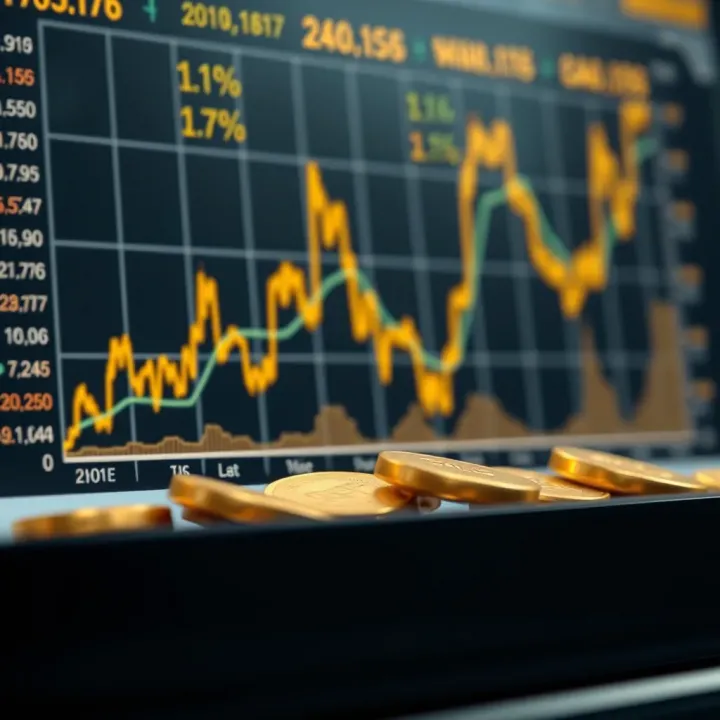
📈 Explore XAUUSD price dynamics and gold trading in Nigeria. Understand factors impacting gold value, historical trends, and trading tools for investors. 💰

📈 Curious about XAUUSD today? Explore key market insights, technical trends, and economic factors to decide if gold stands as a buy or sell in Nigeria. 🇳🇬💰
Based on 6 reviews