
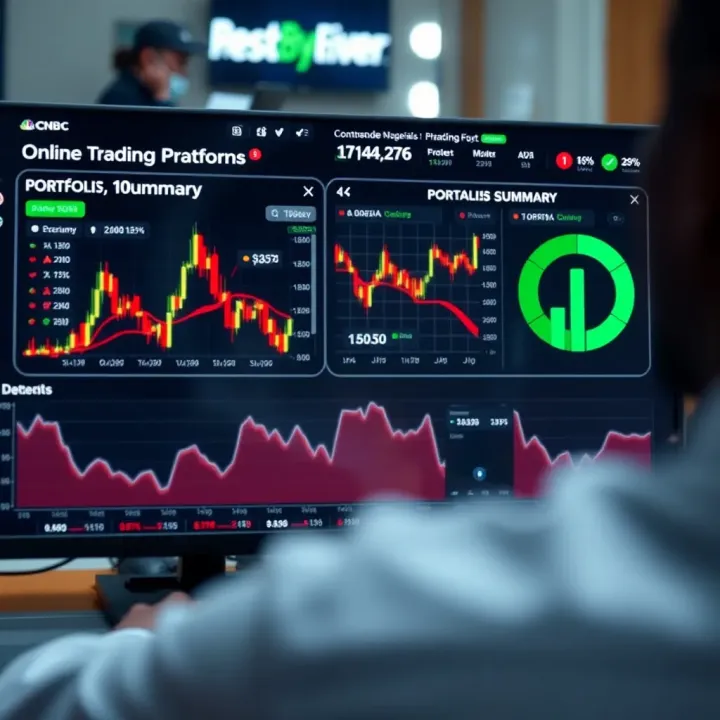
Best Online Trading Platforms for Nigerian Investors
Looking for the best online trading platform in Nigeria? Discover top features, security tips, costs, and tools to match your trading style and grow safely 📊💻🇳🇬
Edited By
Sophia Turner
Choosing the right online trading platform matters a lot for Nigerian investors aiming to grow their portfolios with confidence. The Nigerian financial market is expanding, and with more platforms offering access to local and international equities, forex, commodities, and cryptocurrencies, it can get confusing quickly.
The ideal platform balances ease of use, cost, security, and regulatory compliance. For example, while some platforms like GTBank’s investment portal focus on Nigerian stocks, others like Trove or Bamboo give access to US markets in dollars. Your choice depends on where you want to place your money and how actively you intend to trade.
Regulatory approval: Ensure the platform is registered with the Nigerian Securities and Exchange Commission (SEC) or other recognised bodies. Using unregulated platforms can expose you to fraud or fund safety risks.
Trading fees and commissions: These eat into your profits. Look for clear, transparent charge structures. Some platforms offer zero commission on stock trading but may apply hidden fees on withdrawals or currency conversion.
Usability and features: A platform’s interface should be straightforward. Features like real-time market data, charting tools, and automated alerts help make informed decisions. Nigerian platforms tend to customise for local needs, but also check if they support mobile trading, considering many users rely on smartphones.
Payment options: Facilitating easy deposits and withdrawals in naira is vital, especially given Nigeria’s foreign exchange challenges. Support for transfers through local banks, USSD codes, or fintech wallets like OPay or PalmPay is a plus.
Customer support: Efficient service matters when issues arise. Look for platforms with responsive Nigerian-based support channels.
Before committing funds, try demo accounts where possible. This hands-on experience highlights whether the platform suits your style without risking your cash.
Next, we'll explore the main types of online trading platforms available within Nigeria and how each caters to different investment goals.
Knowing the ins and outs of online trading platforms is essential for Nigerian investors seeking to make informed choices. These platforms serve as your gateway to the financial markets, and understanding their offerings can help you pinpoint the best fit for your trading style and goals. For example, some platforms prioritise access to certain assets like stocks or forex, while others might focus on usability or analytical tools.
Most trading platforms in Nigeria provide access to a mix of asset classes. Stocks listed on the Nigerian Stock Exchange (NGX) are common, but many also open doors to foreign shares, forex pairs, popular cryptocurrencies like Bitcoin and Ethereum, as well as commodities such as gold and oil. This broad access lets investors diversify without hopping between multiple apps, a practical advantage when managing different markets all day.
For instance, a platform like FXTM offers both forex and cryptocurrency trading with relatively low deposit requirements suitable for Nigerian traders, while some local brokers provide direct access to NGX shares, supporting naira-based transactions.
Successful trading goes beyond clicking “buy” or “sell”. Platforms often come bundled with market analysis tools—think live charts, technical indicators, and news feeds. Even more useful are research reports that provide insights on company performance or economic trends. These features allow you to spot opportunities or risks early, giving you an edge especially in fast-moving markets like forex or crypto.
For example, platforms such as MetaTrader 5 offer a rich set of analytical tools that experienced traders value, including advanced charting and scriptable automated strategies.
Fast and reliable order execution is vital, lest you miss a good buy or get worse prices. Platforms vary in how quickly they fill orders and whether they allow different order types – like limit, stop-loss, or trailing stops – which help manage risk effectively.
Portfolio management tools help you track and assess your investments, showing profit/loss, asset allocation and even tax statements. This is especially useful for Nigerians juggling multiple assets, as it simplifies overall management and decision-making.
Web-based platforms operate entirely through your browser; no software installation is needed. They offer convenience as you can log in from anywhere with internet access—perfect for Nigerians who switch devices or move between locations.
However, they might lack some advanced features or be slightly slower than desktop versions, but for many investors, the trade-off for accessibility is worth it.
Desktop platforms install directly on your computer and often provide faster speed and more powerful features. These are best for active traders who need quick order execution and sophisticated tools, such as automated trading algorithms.
Such platforms include MT4 and MT5, popular among forex traders in Nigeria due to their stability and comprehensive analysis options.
Given high smartphone penetration in Nigeria, mobile trading apps are hugely relevant. They offer full or nearly full trading functionality on the go, supporting everyday monitoring and quick decisions amid busy schedules.
Apps like Kuda or OPay have integrated trading features allowing users to start investing without silmply switching platforms, making trading as easy as sending an SMS.
Some platforms are broker-specific, restricting you to the assets and services of a single broker. Meanwhile, multi-asset platforms aggregate various markets and asset types under one roof, often appealing to investors aiming for diversity.
Choosing broker-specific platforms might mean better customer support or tailored services, but multi-asset platforms provide flexibility. For example, local NGX brokers often have exclusive platforms for Nigerian equities, while international players like Interactive Brokers offer broad global options.
Understanding these platform types and their offerings can help you match your trading needs with the right technology, making your investment journey smoother and more productive.
When selecting an online trading platform, focusing on the right features can make all the difference. These features determine not only how smoothly you trade but also affect your costs, security, and overall experience. Nigerian investors need platforms that balance usability, trustworthiness, and reasonable fees given local market conditions.

A user-friendly platform is vital, especially for traders working across multiple devices or managing various investments. An intuitive interface reduces confusion, letting you act fast when opportunities arise. For instance, platforms like Trove and Bamboo provide straightforward layouts that make buying Nigerian stocks or US equities quick and stress-free.
Furthermore, a well-designed menu structure lets you find tools like charts or order types without hunting around for ages. This saves time and prevents costly mistakes from misplaced clicks. For Nigerian traders balancing hectic workdays, a clean interface is not just a luxury but a practical need.
Having control over your dashboard lets you focus on relevant information at a glance. For example, you might prioritise forex rates, crypto prices, or portfolio performance, arranging widgets accordingly. Platforms such as Bamboo offer customisable layouts so you can create a workspace tailored to your trading style.
Being able to add or remove modules – like news feeds or market alerts – means you won't be distracted by clutter, allowing for sharper decisions. Experienced traders often rely on this flexibility to monitor multiple asset classes simultaneously, ensuring they don’t miss sudden market movements.
Security breaches are a real concern, especially with increasing cybercrime targeting financial accounts. Reputable platforms implement encryption, secure sockets layer (SSL) technology, and regular audits to protect user data. For Nigerian investors, where digital trust is still building, choosing platforms with robust protection safeguards your personal and financial information.
Additionally, look out for features like two-factor authentication (2FA) to add an extra layer of defence. Platforms without these measures expose users to risks such as account hacking or identity theft which can result in significant losses.
Operating legally under Nigerian authorities like the Securities and Exchange Commission (SEC) ensures a platform meets local compliance standards. This means you are covered under Nigerian laws if disputes arise. Additionally, international licences from bodies such as the FCA (UK Financial Conduct Authority) or SEC (USA Securities and Exchange Commission) add credibility.
Foreign-regulated platforms often provide access to global markets but require careful vetting to avoid scams. Always verify a platform’s licence status on official regulator websites before investing, especially when dealing with forex or cryptocurrency trading.
The cost of each trade impacts your overall profitability. Commissions are fixed or percentage fees charged per transaction, while spreads represent the difference between buying and selling prices. Nigerian platforms like InvestNow or Trove often advertise low commissions or zero commissions on certain trades, but it’s vital to confirm the exact spread, which can vary widely.
High spreads, especially in forex or cryptocurrency trading, can erode gains quickly. Compare platforms not just on headline commission rates but also on their spread competitiveness to avoid surprises.
Costs don’t end with trading fees; banks and platforms may charge for deposits and withdrawals. For Nigerian investors, this can add up, especially when moving funds in foreign currencies or through intermediaries.
Popular payment methods like USSD, bank transfers, or mobile money vary by platform on fees and speed. For instance, some platforms integrate seamlessly with Nigerian banks for swift, low-cost naira deposits, while others charge fees or delay withdrawals. Understanding these hidden charges helps you manage actual costs and avoid awkward delays when accessing your money.
Always request a detailed fee schedule before committing to any platform. Low upfront fees might hide high charges elsewhere, affecting your trading budget.
Selecting a trading platform with the right features while keeping an eye on costs and security is key for Nigerian investors. Balancing usability with trustworthiness ensures smoother trading and greater peace of mind.
Choosing the right online trading platform depends heavily on your individual investment goals. Not all platforms fit every style; some cater to fresh investors needing simple tools and guidance, while others serve seasoned traders who rely on advanced features and fast execution. Assessing platforms by how well they match your goals can save time, reduce risks, and improve returns.
Platforms geared towards beginners often include educational materials like tutorials, webinars, and articles to help users learn about markets and trading strategies. A demo account is especially beneficial, allowing you to practise trading with virtual money without risking your capital. For example, a Nigerian beginner might try a demo account on local brokers’ platforms or popular international ones like IG or eToro before committing real funds.
Ease of use is crucial for new traders. A clean, intuitive interface helps beginners understand the markets without feeling overwhelmed. Also, platforms that allow low minimum deposits — sometimes as low as ₦5,000 — make it easier to start small and build confidence. Platforms like Kuda or OPay integrated trading services often provide such accessibility options.
Experienced traders need detailed charts, drawing tools, and indicators to make informed decisions. Platforms offering features like Ichimoku Clouds, Fibonacci retracements, and multiple timeframes help traders spot trends and predict price movements effectively. MetaTrader 4 and 5 remain popular internationally, while local platforms are steadily introducing similar tools.
Automation can improve efficiency by executing trades based on preset rules, removing emotional decision-making. For traders familiar with coding, some platforms support algorithmic strategies using custom scripts or bots. This is especially handy for forex or cryptocurrency markets where speed matters. Nigerian traders venturing into crypto, for instance, may use bots within Binance or Luno to automate buying and selling.
Long-term investors tend to rely on companies’ financial health, earning reports, and macroeconomic indicators. Platforms that provide comprehensive fundamental data, analyst reports, and dividend histories allow such investors to select stocks with strong growth potential. Accessing NSE or NGX-listed company data directly via reputable Nigerian platforms enhances long-term decisions.
Short-term traders need access to up-to-the-second price movements and order book depth to catch momentary opportunities. Real-time data reduces slippage and supports timely entries and exits. Platforms like Interactive Brokers or international brokers supporting Nigerian clients usually provide low-latency data suitable for day trading or scalping strategies.
Matching your trading platform to your investment style not only improves your experience but also impacts profitability. Whether you are just starting or a seasoned pro, choosing the right tools matters in navigating Nigeria's unique market environment effectively.
Understanding which trading platforms are popular and accessible in Nigeria helps investors navigate choices that fit local realities. These platforms come in two broad groups: local platforms focused on the Nigerian stock market and international platforms offering access to global markets. Knowing their features and limitations can save time, reduce costs, and improve trading outcomes.
Platforms linked to stock brokers registered on the Nigerian Stock Exchange (NSE) typically offer direct access to Nigeria’s equity market. They provide tools tailored for trading Nigerian shares, treasury bills, and bonds. Features often include real-time price updates for NSE-listed securities, market depth data, and integration with regulatory filings. For instance, platforms connected to brokers like Stanbic IBTC or FBNQuest combine market intelligence with seamless trade execution.
These platforms suit investors keen on participating in local capital markets, offering familiarity with Nigerian trading hours, securities, and settlement processes. They often support both retail and institutional investors with account types that accommodate different levels of activity and investment size.
A major advantage of local platforms is their integration with Nigerian payment solutions such as bank transfers, USSD codes (commonly used on MTN, Airtel, and other networks), and mobile wallets like OPay or PalmPay. This smooths deposit and withdrawal processes, avoiding currency conversion hassles and delays.
Getting funds in and out quickly matters in a market affected by naira volatility and intermittent liquidity. Local platforms often charge lower fees for naira transactions. They also comply with Central Bank of Nigeria (CBN) regulations, reinforcing trust and reducing risks linked to payment fraud or delayed settlements.
International platforms such as Interactive Brokers, eToro, and TD Ameritrade provide Nigerians the chance to invest beyond domestic stocks. They open doors to US equities, European markets, Asian stocks, commodities, and cryptocurrencies, offering diversification opportunities unavailable on NSE-only platforms.
This global reach appeals to investors seeking exposure to tech giants like Apple and Google or commodities such as gold and oil. However, because these platforms operate across multiple currencies and jurisdictions, investors should be aware of the regulatory differences and tax implications.
While international trading platforms offer wider asset variety, they introduce extra steps for Nigerian users regarding currency exchange. Deposits typically require converting naira to USD or euros, often through third-party services or banks, which may add conversion charges.
Withdrawing funds may take longer and attract foreign exchange risks. Fluctuations in the naira’s value can affect returns when converting back to local currency, sometimes eroding gains. Some platforms may also impose withdrawal fees or require minimum amounts.
Choosing between local and international platforms depends on your investment objectives, willingness to manage forex risk, and comfort with cross-border regulations. Nigerian investors often combine both options to balance accessibility and diversification.
By understanding these platforms’ distinctive features and payment handling, Nigerian investors can make informed decisions tailored to their trading goals and risk appetite.
Online trading comes with big opportunities but also real risks, especially in Nigeria's fast-moving digital environment. Knowing how to protect your account and manage risks effectively is just as vital as picking the right platform. This section offers straightforward tips to keep your investments secure and help you trade smartly.
Two-factor authentication (2FA) acts like a double lock on your trading account. Instead of relying only on a password—which can sometimes be leaked or guessed—2FA requires a second verification step, usually a code sent to your phone. This makes it much harder for hackers to break in, even if they have your password. For Nigerian traders, using apps like Google Authenticator or receiving SMS codes helps keep your account safe against common cyber threats.
Keeping an eye on your account activity is critical. Most good trading platforms offer alert features that notify you of important events, such as large withdrawals, login from new devices, or unusual trading patterns. Setting up these alerts on your phone or email enables you to spot potential fraud early and react promptly. Regularly checking your statements and transaction history can also reveal unauthorised actions before they worsen.
Before entrusting your money, always confirm the trading platform is properly licensed and regulated. In Nigeria, platforms authorised by the Securities and Exchange Commission (SEC) or the Nigerian Stock Exchange (NSE) have undergone scrutiny and meet minimum standards. Avoid platforms with unclear credentials or those promising unrealistic returns. Legitimate platforms disclose clear contact information, have responsive customer support, and maintain transparent fee structures.
One practical way to manage your investment exposure is through setting limits and stop loss orders. These tools automatically sell your assets once they hit a certain price to prevent excessive losses. For example, if a stock falls below your set threshold, the platform will exit the trade without needing you to watch the screen 24/7. Setting these limits is especially useful given Nigeria’s volatile markets and daily naira fluctuations, helping traders avoid emotional decisions during turbulent times.
Safe trading combines vigilance, smart platform choice, and proper risk controls. Nigerian investors who prioritise these tips stand a better chance of succeeding while protecting their funds from scams and cyber threats.
Looking for the best online trading platform in Nigeria? Discover top features, security tips, costs, and tools to match your trading style and grow safely 📊💻🇳🇬
Discover best online trading platforms for Nigerian investors 📈. Learn smart strategies, markets to explore, and ways to manage risk confidently in ₦ trading.
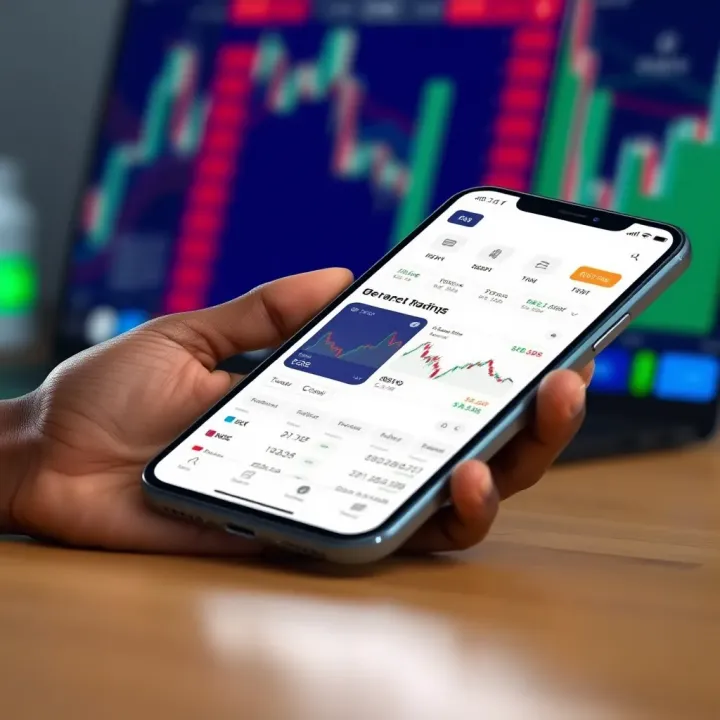
Discover how to pick the best online trading app for Nigerian investors. Compare fees, security, and user-friendly features for smart trading choices 📱💹
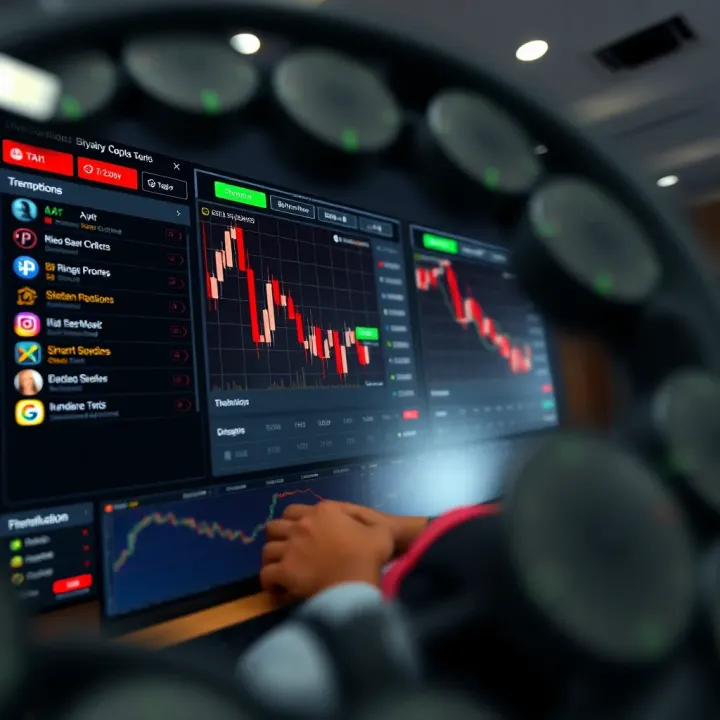
🔍 Explore binary options trading platforms tailored for Nigerian traders. Learn how to pick platforms, understand risks, and boost your trading skills effectively.
Based on 7 reviews