

Synthetic Indices Trading Guide for Nigerian Investors
📈 Learn how synthetic indices let Nigerian investors trade 24/7 with real market volatility, smart strategies, and safety tips to earn ₦ profit anytime, anywhere.
Edited By
Amelia Richardson
Deriv synthetic indices represent a unique opportunity for Nigerian traders to engage with financial markets that mimic real price movements but aren’t influenced by global economic events or news. Essentially, these indices are simulated price models operating 24/7, based on algorithms designed to reflect typical market behaviours like trends and volatility. Unlike traditional commodities, stocks, or forex pairs, synthetic indices let you trade continuously, even when major global exchanges are closed.
For instance, the Volatility 10 Index on Deriv simulates price fluctuations over time with an average of 10% daily volatility, offering a reliable way to practice risk management without actual exposure to geopolitical risks or unexpected market shocks. This makes synthetic indices particularly attractive for traders in Nigeria, where real-market interruptions can be frequent due to global uncertainties.
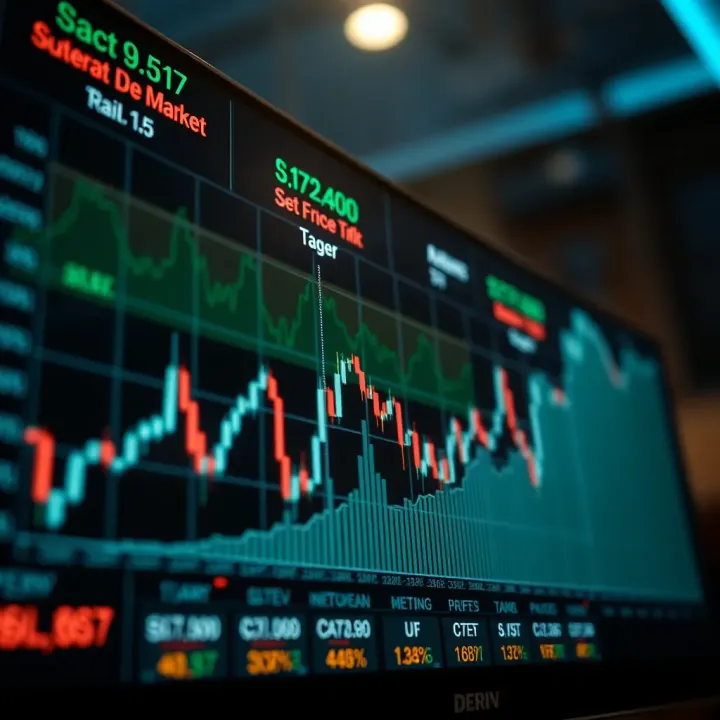
Moreover, trading synthetic indices on the Deriv platform is straightforward. The platform provides extensive charting tools, customisable options, and several expiry times — from ticks of seconds to longer durations in minutes or hours. This flexibility suits both scalpers and position traders.
Synthetic indices provide Nigerian traders with constant market access and controlled risk environments, allowing for consistent trading strategies regardless of economic news cycles.
Round-the-clock availability: No need to wait for markets like NYSE or LSE to open; Deriv synthetic indices run non-stop.
Stable trading environment: Free from sudden spikes caused by political events or economic reports, reducing unexpected losses.
Variety of indices: Scalpers can focus on short-term volatility indices, while long-term traders may prefer smoother ones like Volatility 100.
Accessible capital requirement: You can start trading with relatively small amounts in naira, as Deriv supports local currency deposits.
However, it’s essential to appreciate that these indices rely on random number generation algorithms, not real market data. So, while they simulate price moves realistically, their behaviour can differ from live assets.
Understanding how these synthetic instruments function is crucial to formulating trading plans, practising effective money management, and adapting to their unique risks ahead. The next sections will explore detailed trading techniques, risk controls, and regulatory insights tailored for Nigerian users trading Deriv synthetic indices.
Synthetic indices are digital instruments that mimic real market movements without depending on actual assets like stocks, commodities, or currencies. Unlike traditional markets where price movements depend on global economic factors, company performance, or supply and demand, synthetic indices generate price changes based on algorithms designed to simulate realistic market conditions. This means traders can access a market experience closer to real financial trading but in a controlled, predictable environment.
For Nigerian traders, understanding that synthetic indices operate on a formula-driven system opens doors to opportunities outside the volatile influence of news events or geopolitical tensions affecting traditional markets. For example, a synthetic volatility index on Deriv replicates the price movements you'd see in a real volatility market but without exposure to sudden shocks from unexpected world events that often impact real exchanges like the NSE or NGX.
Synthetic indices simulate market conditions by using complex algorithms that generate continuous price movements. These algorithms factor in random number generation, statistical models, and preset volatility levels to create price paths that closely resemble real market behaviour. This simulation captures typical market traits such as trends and price swings, enabling traders to practise strategies and gain exposure without relying on real economic triggers.
This setup is practical because it allows trading 24/7 without pause, helping both beginners and seasoned traders improve their skills in a realistic arena. For instance, the Deriv platform’s synthetic volatility indices operate round the clock, providing traders the chance to engage even during weekends or public holidays when real markets are closed.
Unlike real-world asset indices—such as the S&P 500 or FTSE 100, which reflect aggregated performances of underlying companies—synthetic indices have no direct correlation with physical assets or their underlying economies. Real indices respond sharply to news, earnings reports, and macroeconomic indicators. Synthetic indices, however, follow programmed patterns unaffected by those external factors.
For example, during festive seasons in Nigeria, traditional markets often experience low volumes and unpredictable price jumps due to investor behaviour. Synthetic indices remain detached from these events, offering price movements based purely on algorithmic rules. This difference means Nigerian traders can avoid unexpected gaps or halts common in traditional trading.
One key attraction is the 24/7 availability of synthetic indices. While NSE and other African exchanges shut down after trading hours, synthetic markets on platforms like Deriv run continuously, giving traders the flexibility to operate outside regular schedules. This is very convenient for Nigerians who might have day jobs or other commitments but still want to trade during off-peak hours.
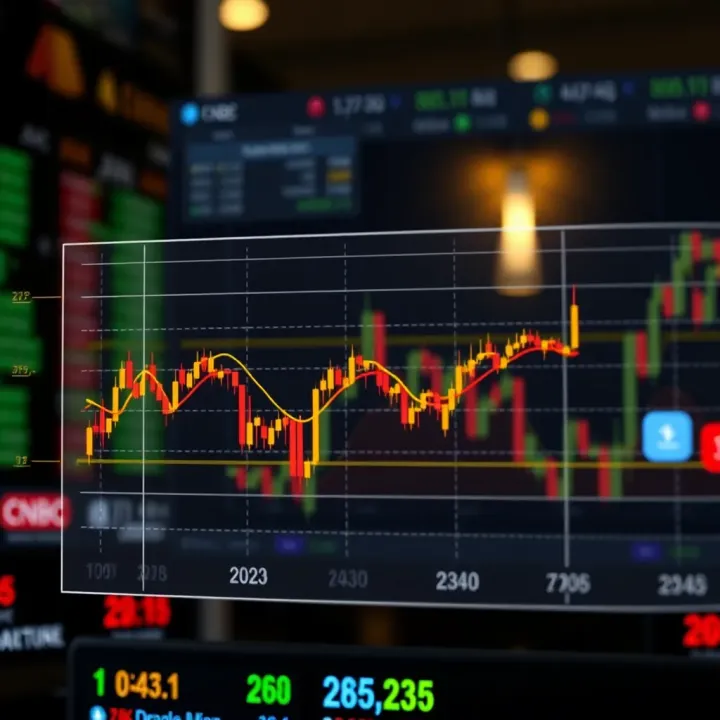
Moreover, price movements in synthetic indices are impact-free by design. This means no large institutions or market manipulators can influence prices since movements arise from algorithms, not actual trades or liquidity shifts. For Nigerian retail traders, this levels the playing field somewhat, removing the possibility of sudden price spikes caused by whales or insider activities common in thinly traded stocks.
Accessibility is another practical advantage. Trading synthetic indices requires no complex approvals or dealing with external economic news. A beginner can start with small stakes and steadily build knowledge and confidence. Nigerian traders who might find opening forex or stock trading accounts costly or challenging due to documentation can quickly set up and fund accounts on Deriv using local options, making synthetic indices an attractive entry point into financial markets.
Synthetic indices offer Nigerian traders a unique blend of realism and stability, trading around the clock without the usual shocks of traditional markets. This makes them a practical tool for skill building and active trading in a controlled environment.
Trading synthetic indices on Deriv provides Nigerian traders access to unique financial instruments that mimic real-market behaviours but run continuously without being affected by global events. This availability allows traders to engage in market activities at any hour, ideal for accommodating Nigeria’s busy lifestyle or the erratic power supply that can affect trading. Understanding how Deriv operates and the variety of synthetic indices it offers is key to making informed decisions and maximising opportunities.
Deriv stands out with its user-friendly interface tailored for trading synthetic indices. The platform features real-time chart updates, customisable indicators, and tools that help traders analyse price movements specific to these simulated markets. It supports a smooth trading experience with minimal delays, which is crucial given the fast-paced volatility of synthetic indices.
Opening an account on Deriv is straightforward for Nigerians. The platform accepts local funding methods such as bank transfers and popular e-wallets, including Paystack and Flutterwave. This convenience ensures traders can deposit and withdraw funds in ₦ without unnecessary delays or high conversion fees, which can be a challenge on less localised platforms.
Volatility Indices are a popular choice among synthetic markets, representing price fluctuations in a condensed, predictable environment. For example, Volatility 100 Index simulates a market with consistent volatility of 100%, making it possible to test strategies that rely on price swings without the unpredictability of external events.
Step Indices differ by showing price changes in discrete steps rather than continuous movement. This structure helps traders anticipate market pauses and bursts more clearly. For instance, Step Index 50 moves in fixed increments, allowing tactical entries and exits, which appeals to traders managing risk with precision.
Other synthetic assets include indices designed to mimic more complex market traits or combinations of volatility levels. These instruments provide variety for traders seeking diversification within synthetic markets. Using these different classes allows traders in Nigeria to tailor their strategies according to risk appetite and available capital.
Trading synthetic indices on Deriv combines the responsiveness of digital markets with the comfort of localised payment and support systems, a favourable setup for Nigerian traders seeking consistent opportunities.
Understanding these facets of the Deriv platform and synthetic indices equips you to trade more confidently, knowing what each instrument offers and how easy it is to access funds within Nigeria’s financial system.
Trading Deriv synthetic indices requires more than luck. Having well-defined strategies helps traders make decisions that align with market behaviour and personal risk appetite. By using proven analysis techniques and managing risks seriously, Nigerian traders can navigate these simulated markets more confidently and avoid unnecessary losses.
Certain chart patterns and indicators tend to work effectively with synthetic indices due to their predictable, algorithm-driven price movements. For instance, simple moving averages (SMA) and exponential moving averages (EMA) can highlight trends clearly. Traders often spot breakouts from consolidation patterns like triangles or rectangles to enter trades early. Oscillators such as the Relative Strength Index (RSI) help detect overbought or oversold conditions, useful for timing reversals.
Because synthetic indices do not respond to real-world news, classic support and resistance levels often hold well. For example, on the Volatility 100 Index, price tends to bounce around key levels, making horizontal support and resistance zones reliable trading guides.
Adaptation is vital since synthetic indices show continuous price flows without the daily gaps typical in stock markets. This means technical indicators must be calibrated considering the unique volatility and constant trading hours. For instance, shorter time-frame charts might provide clearer entry points, especially during peak Nigerian trading hours when market activity is high.
Properly setting stop-loss and take-profit orders guards your capital from unexpected price swings. Given the volatility in synthetic indices, a stop-loss placed too tight may trigger unnecessarily, while one too loose risks bigger losses. For example, a trader might set stop-loss at 1.5% below the entry price and take-profit at 3% above to assure a favourable risk-to-reward ratio.
Managing trade size relative to volatility is equally important. You should avoid risking large portions of your trading capital on a single position. Instead, allocate smaller sizes that reflect how choppy the price movement is. Imagine trading the Step Index, which sometimes moves in erratic steps; smaller trade sizes help absorb these shocks without wiping out your account.
Successful traders know that risk management is the foundation of long-term trading success. Discipline in setting limits keeps your trading sustainable despite fluctuating markets.
By combining tailored technical tools with solid risk controls, Nigerian traders can approach Deriv synthetic indices thoughtfully. These strategies help turn what may seem like unpredictable, simulated markets into opportunities to grow trading skills and capital steadily.
Trading synthetic indices on platforms like Deriv presents unique opportunities but also carries distinct risks and regulatory questions that Nigerian traders must grasp fully. Understanding these aspects helps protect your capital, align your trading with Nigerian laws, and fosters responsible investment decisions.
Synthetic indices are built to mimic certain market behaviours but often feature increased volatility compared to traditional markets. This means prices can shift quickly, sometimes within seconds, offering chances for substantial gains but also exposing traders to sudden losses. For example, the Deriv Volatility 100 Index simulates price moves reflecting 100% volatility, making it prone to sharp ups and downs. Nigerian traders must carefully consider this higher risk by planning appropriate trade sizes and avoiding overleveraging.
Unlike real-world markets influenced by actual financial events or economic data, synthetic indices operate on algorithms and random number generators designed to simulate price movements. While this makes them available 24/7, unaffected by external shocks like political instability or earnings reports, it also means these markets lack the fundamental drivers real assets possess. Consequently, unexpected patterns or market quirks can occur, and typical fundamental analysis tools become less useful. Traders should rely more on technical approaches and be aware that synthetic markets may not behave like traditional assets during economic shifts.
Nigeria's financial regulatory agencies primarily focus on traditional securities and forex trading, with less direct oversight on synthetic indices. The Securities and Exchange Commission (SEC Nigeria) and the Central Bank of Nigeria (CBN) have yet to issue explicit guidelines targeting synthetic markets. Nevertheless, Nigerian traders should view synthetic indices as speculative instruments subject to general financial regulations, including anti-money laundering and investor protection rules. Platforms offering synthetic indices must comply with international standards and provide transparent terms to Nigerian users.
Given the rapid price swings and simulated nature, responsible trading on synthetic indices demands disciplined risk management and realistic expectations. Nigerian traders should avoid risking large portions of their capital on a single trade and consistently use stop-loss orders to limit potential losses. It’s also wise to practice on demo accounts before committing real funds. Understanding that synthetic markets are designed for short-term trading with heightened volatility helps prevent chasing losses or developing unrealistic profit hopes. Incorporating steady savings and diversified investments beyond synthetic indices remains crucial for sustainable financial health.
When trading synthetic indices, always balance ambition with caution. The thrilling volatility offers opportunities, but without solid understanding and discipline, losses can mount quickly.
By keeping these risks and regulatory factors in mind, Nigerian traders can navigate synthetic indices with greater confidence and clarity, making smarter trading choices that fit their financial goals and risk appetite.
📈 Learn how synthetic indices let Nigerian investors trade 24/7 with real market volatility, smart strategies, and safety tips to earn ₦ profit anytime, anywhere.
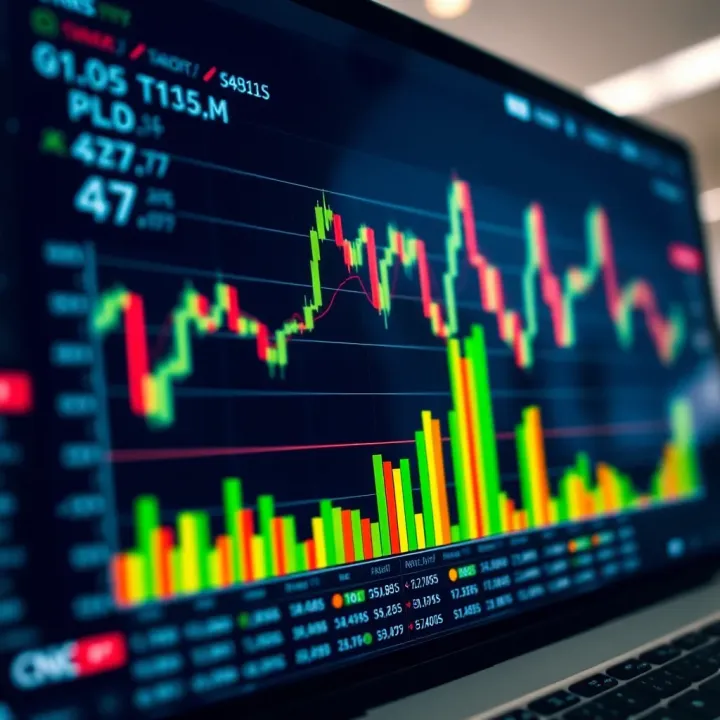
📊 Explore TradingView synthetic indices: Learn how they work, analysis tips, trading strategies, and risk management designed for Nigerian traders.
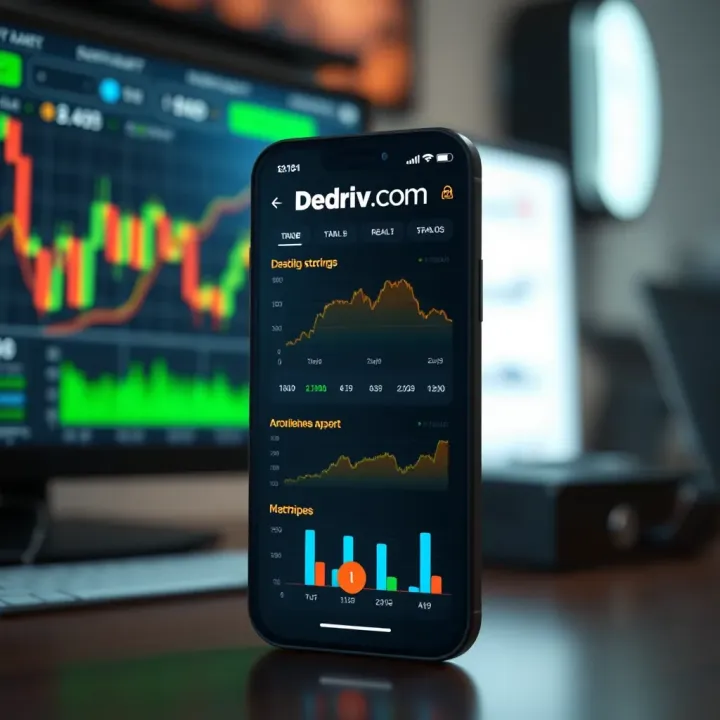
Explore the Deriv.com app! 📱 Learn to set up your account, navigate trading options, ensure security, and get reliable support for Nigerian users.
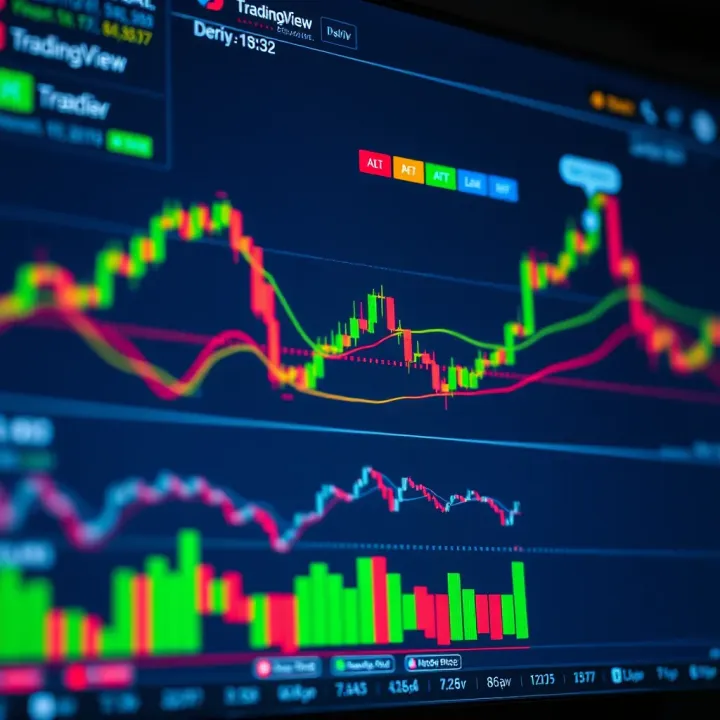
📊 Nigerian traders, learn how to combine TradingView and Deriv for smarter trades. Discover setup tips, key features, and solve common issues easily! 🇳🇬
Based on 6 reviews