

Choosing the Best Forex Broker in Nigeria
Find your ideal forex broker in Nigeria 🇳🇬 with our practical guide covering regulations, fees, platforms, and support for smarter trading decisions 💹.
Edited By
George Mitchell
Earning legitimate income in Nigeria is a realistic goal, especially when you understand available opportunities and the steps to follow. Many people, from traders to finance experts, seek income sources that are both legal and reliable, avoiding scams and unstable ventures. In this section, we highlight practical pathways anyone can explore to build steady earnings.
Nigeria's informal sector thrives with affordable entry points like running a mama put (local food business), dealing in tokunbo vehicles or electronics, and offering services tailored to busy urban lifestyles. Additionally, the rise of fintech platforms and online work offers fresh options beyond traditional trades.

Legitimate income means consistent, transparent, and verifiable earnings – which is vital for long-term financial security and peace of mind.
Mama Put and Small-Scale Trading: Starting a roadside food stall or selling everyday products like phone accessories requires low capital and taps into steady local demand.
Tokunbo Sales: Importing and selling second-hand cars, phones, or electronics remains a popular income stream. Understanding import regulations and market prices is crucial.
Online Freelancing: Websites offering freelance jobs in writing, graphic design, or digital marketing have grown. Using platforms like Upwork or Fiverr, Nigerians can earn foreign exchange legally.
Agriculture Ventures: Engaging in crop farming or fishery with proper input can yield profit thanks to high demand for food locally and abroad.
Research the Market: Identify genuine demand and competition before investing.
Register Your Business or Trade: Compliance with government laws enhances credibility and access to finance.
Develop Skills: Gain any required expertise; for example, mastering vehicle valuations if trading tokunbo cars.
Set Up Reliable Payment Means: Link your business to bank accounts or fintech platforms like Paystack or OPay.
Build Customer Trust: Use quality products and transparent pricing to encourage repeat patronage.
Inconsistent Power Supply: Plan for generator fuel costs and downtime when running a physical outlet.
Currency Fluctuations: Naira volatility can affect import costs and profit margins.
Government Regulation Changes: Stay updated on import policies and registration requirements.
Understanding these aspects positions you to earn income steadily and legally. The following sections will detail specific businesses and proven strategies to boost your earnings effectively.
Knowing what counts as legitimate income opportunities is key when aiming to build a real, lasting source of earnings in Nigeria. It guards you against wasting time and money on sketchy schemes that promise quick riches but often lead to losses. For traders, investors, or even brokers, recognising legitimate avenues not only increases your chances of consistent gains but also keeps you within legal boundaries.
A legitimate earning method has to follow Nigerian laws and regulations. This means all business activities should be registered properly, taxes paid where due, and operations conducted honestly. For example, a side hustle like a mama put business must register with local authorities and issue proper receipts to customers. This compliance helps avoid fines, shutdowns, or unnecessary disputes.
Ethics also matter. It involves fair treatment of customers and partners, transparent pricing, and delivering on promises. For instance, an online freelancer who clearly states service terms and honours deadlines builds trust, which is crucial for repeat work. Staying ethical prevents reputational damage that can kill income streams over time.
The Nigerian market is unfortunately rife with scams that can drain your resources quickly. It's important to be sceptical of offers that seem too good to be true, such as ‘‘get rich quick’’ schemes demanding upfront payments without clear deliverables. Genuine income sources usually don’t require hefty start-up fees or confidential personal data without proper justification.
Staying aware of common fraud tactics like pyramid schemes, phishing for BVN details, or fake investment platforms can save your money and time. Always verify the credentials of companies through official channels like the Corporate Affairs Commission or SEC Nigeria before engaging.
Formal employment remains a reliable income source with benefits such as steady pay and social security contributions. Many Nigerians complement their salaries with side hustles to meet rising living costs—examples include running a barbing salon or okada business. These side hustles can provide extra cash inflow and have low capital requirements.
Side hustles also help diversify income. A trader might sell tokunbo electronics or clothing alongside their official job, providing financial cushioning during economic swings. This mix of formal and informal earning streams is a common survival strategy across the country.
Nigeria’s digital economy has opened up fresh income avenues. Freelancing in writing, graphic design, digital marketing, or video editing through platforms like Upwork or Fiverr offers access to international clients, often paid in foreign currency.
Locally, platforms such as Paystack and Flutterwave facilitate payment collection for e-commerce businesses and freelancers alike. These digital tools streamline income generation and expand market reach beyond immediate geography, making them vital for anyone looking to earn legitimately and easily from their skills.
Understanding legitimate income opportunities is more than about making money — it’s about building resilience and trust in your financial activities. Whether you rely on formal jobs, side hustles, or digital freelancing, doing things right will ensure your earnings last and grow steadily in Nigeria’s dynamic economy.
Starting with simple, accessible methods is the best approach for anyone looking to earn legitimate income in Nigeria. These options require minimal upfront investment but offer real potential for steady cash flow. Whether you are a graduate waiting for NYSC posting or a trader seeking to diversify, understanding practical and straightforward opportunities can fast-track your income and reduce exposure to scams.
Freelance work offers a practical way to monetise skills you might already have. Many businesses in Nigeria are eager for affordable content writers, graphic designers, and digital marketers to help boost their online presence. For example, you could write blog posts focused on Nigerian markets or design logos for startups based in Lagos or Abuja. These services are often in demand by SMEs who cannot afford full-time employees but need quality work.
Digital marketing skills are particularly valuable as many companies shift focus to social media platforms like Instagram and Facebook to reach consumers. Freelancers specialising in creating adverts, managing campaigns, or engaging audiences can earn monthly contracts worth tens of thousands of naira. Developing proficiencies in these areas can turn a hobby or past job experience into steady income.
Efficient payment systems have made freelancing and small businesses more viable in Nigeria. Platforms such as Paystack and Flutterwave simplify receiving payments from clients locally and internationally. This means freelancers avoid the usual challenge of chasing payments or handling complex bank transfers.
Opay, known for its mobile wallet and payment solutions, also offers business owners easy access to funds and services like bill payments or airtime sales. Setting up with these platforms not only supports your freelance activities but also builds your financial footprint. For instance, a freelancer might invoice a Nigerian client, receive ₦50,000 via Paystack, and then use Opay to pay utility bills without leaving home.
Trading tokunbo items—imported second-hand goods—remains a popular money-maker across Nigeria. From garments to electronics and vehicle parts, there is steady demand among middle-class and lower-income groups. Savvy traders buy goods at affordable prices from import hubs in Lagos or Onitsha, then resell within their communities or via online marketplaces.
This form of trading requires some initial capital but offers flexibility in scale. You can start with ₦50,000 worth of goods, such as second-hand shoes or phones, especially during ember months when demand spikes. Crucially, you must verify the quality to avoid returns and build trust with customers.
Offering local services taps directly into everyday Nigerian life. Take okada riding, for example; in Lagos and many northern cities, it remains a vital transport mode. Starting as a rider can generate daily earnings upwards of ₦4,000, even with the risks and costs of fuel and maintenance.
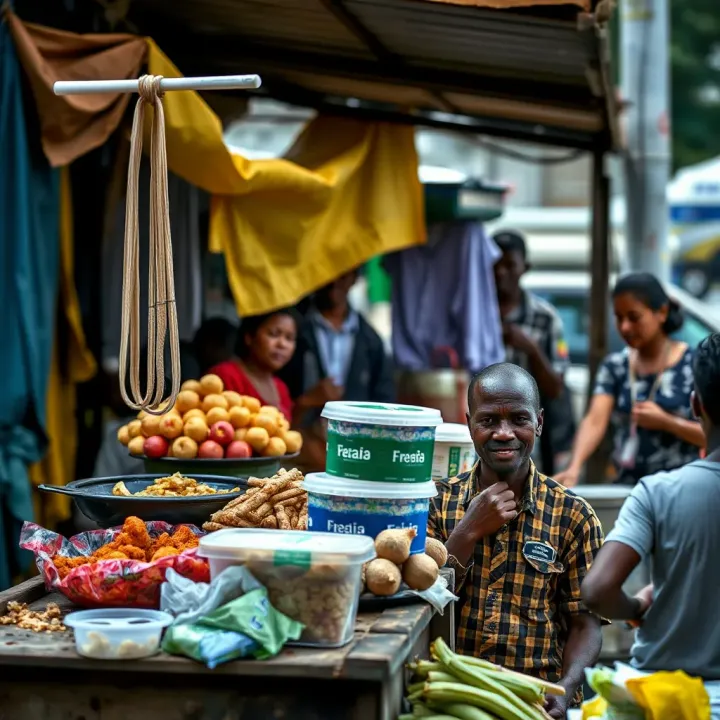
Similarly, running a mama put—a roadside food stall—requires low startup capital and caters to steady demand from workers and students. Selling popular local dishes like akara or jollof rice attracts daily customers. These services demand hard work and consistency but often provide dependable income.
Starting small with skills or local trades lets you learn the ropes while earning real money in Nigeria. These straightforward options help you avoid fraud and build a platform for future growth.
By focusing on these simple methods, anyone can begin earning legitimately without much delay or risk. From freelance design jobs handled via Paystack payments to trading tokunbo goods or running a mama put, these practical opportunities suit many Nigerian realities and budgets.
Navigating the path to earning legitimate income in Nigeria begins with understanding some essential basics. Knowing what it takes to operate legally and efficiently from the outset can save you from pitfalls like fraud or blocked transactions. This stage sets the foundation for long-term income stability, whether you’re starting a small business or engaging in online freelancing.
Every Nigerian looking to make legitimate financial transactions must have a National Identification Number (NIN) and a Bank Verification Number (BVN). The NIN is crucial for identification across government services, while the BVN is indispensable for secure banking transactions in Nigeria’s financial system. For example, without BVN, opening a bank account for business or receiving payments on platforms like Paystack becomes quite difficult.
Securing these registrations supports your credibility both offline and online. Suppose you intend to receive payments via bank transfer or mobile money—services that require your BVN for verification. Getting these IDs early helps avoid transaction delays and ensures compliance with Nigeria’s regulatory framework.
In Nigeria, mobile money wallets and USSD codes have become lifelines for many in business. Banking via USSD (Unstructured Supplementary Service Data) allows you to execute transactions directly from your phone without internet access. This option is vital for traders operating in locations with poor internet connectivity.
Creating mobile wallets with providers like OPay, PalmPay, or GTBank’s mobile app gives faster, easier access to funds, especially when dealing with customers or suppliers. For instance, a mama put owner can receive payment via USSD transfer or mobile wallet, reducing the need for cash handling and improving security. Setting these up is generally straightforward, but it pays off greatly by enabling seamless operations and better cashflow management.
To grow your income opportunities, joining established online marketplaces is practical. Platforms such as Jumia Nigeria or Konga provide a ready-made audience and trustworthy payment systems for sellers. This approach spares you the troubles of building your customer base from scratch and dealing with payment delays.
Running a store on Jumia, for instance, lets you tap into their logistics network and payment guarantees. But remember, verifying the credibility of any new platform before engaging helps avoid scams. Reviews and community feedback are often good indicators.
Social media networks like Instagram, Facebook, and Twitter are powerful tools to boost your business reach. Rather than just posting products or services, the key is to build engagement through consistent content and interact with your target customers.
For example, traders can showcase daily tokunbo goods with short videos or run quick promo giveaways to build followers. Social platforms also let you get real-time feedback and direct messages, which can convert to sales. Many Nigerian SMEs have harnessed social media to move from small-scale operations to well-known brands within their neighbourhoods and beyond.
Starting right with NIN, BVN, and reliable platforms not only ensures you earn legitimate income but also prepares your business to scale steadily in Nigeria's dynamic market.
Navigating the business or freelancing world in Nigeria comes with its own set of hurdles. For many, irregular power supply and currency fluctuations rank high among daily challenges that threaten both profit margins and operational efficiency. Understanding these obstacles and developing workable strategies is vital for sustaining legitimate income streams. This section tackles these issues head-on, offering practical ways Nigerians can keep their businesses resilient.
Generators are a backbone for Nigerian businesses struggling with power outages, but fuel costs can quickly eat into earnings. Strategies to reduce generator expenses include running them only during off-peak hours or synchronising generator use with periods of high customer traffic to maximise productivity. Business owners can also maintain their generators well to avoid frequent breakdowns, which usually come with high repair bills. For example, a mama put running a small grill might arrange cooking schedules to align with daylight hours and use the generator sparingly, cutting fuel consumption and expenses.
Beyond fuel savings, using solar power and other alternatives is gaining traction as a long-term solution. Solar panels, though requiring upfront investment, reduce reliance on costly diesel and provide stable power for lighting, refrigeration, or POS terminals. Businesses in Lagos and Abuja are gradually adopting solar setups, especially for security lighting and phone charging stations, reducing the impact of NEPA’s frequent blackouts. Combining solar with energy-efficient appliances further decreases power needs and cuts running costs.
The naira’s volatility causes a ripple effect on the prices of goods and services. To safeguard profits, pricing products and services wisely is essential. Traders and service providers often apply a buffer margin above the usual selling price to absorb sudden increases in input costs. It helps to review prices regularly and communicate changes transparently with customers to maintain trust. A trader dealing in imported tokunbo electronics might adjust prices to reflect the current exchange rate to avoid losses.
Understanding the naira exchange rate impact on business planning can add another layer of protection. When the naira weakens against the dollar or euro, imported goods become costlier, and margins shrink unless prices adjust accordingly. Businesses that buy wholesale in foreign currency benefit from forward contracts or bulk purchasing to lock in favourable rates. Staying informed with updates from the Central Bank of Nigeria (CBN) aids in timing purchases and pricing strategies to minimise negative effects.
Consistent evaluation and adaptation are keys to overcoming the twin challenges of unstable power and currency fluctuations in Nigeria. Adopting practical solutions can stabilise income and build resilience in uncertain economic times.
Maximising earnings and sustaining growth are vital for anyone serious about building a dependable income stream in Nigeria. Whether you run a small mama put, trade in tokunbo goods, or handle freelance gigs online, these tips help keep your business profitable and resilient. By focusing on customer trust, smart reinvestment, and income diversification, you build a solid foundation that withstands market shifts and local challenges.
Quality is the bedrock of customer trust. If you run a small business selling keke napep transportation services or a barbing salon, providing consistent, qualitative services keeps customers coming back. For example, a mama put who regularly serves fresh, tasty meals at reasonable prices is more likely to build steady patronage than one whose food quality fluctuates. Consistency demonstrates professionalism, making your customers feel confident recommending your services or products to others.
Consistency also means timely delivery and maintaining product standards even during busy periods or economic shifts. For instance, a trader selling tokunbo electronics must ensure every item functions properly despite pressures to cut costs. Skimping on quality risks damaging your reputation irreversibly.
Feedback is a goldmine for growth. Attentively listening to customer complaints or suggestions—whether for an okada rider managing routes or a digital marketer refining campaigns—allows you to improve your offer. Promptly addressing issues shows customers you value their opinion and care about their experience.
Consider a freelance writer who regularly requests client feedback. Positive remarks help identify strengths to maintain, while criticism guides necessary adjustments. Responding professionally and making changes based on feedback turn one-time clients into loyal supporters. In Nigeria’s competitive markets, handling feedback well can set you apart from less responsive competitors.
Growth takes planning and care. Rather than rushing to open multiple outlets or services, scale your business gradually to manage risks effectively. A mama put might start by investing profits in better kitchen equipment, increasing menu variety, or hiring an assistant. These steps improve service quality and capacity without overextending finances.
Similarly, a digital freelancer can use earnings to upgrade software tools or invest in training to handle bigger projects. By building incrementally, you avoid pitfalls common to many Nigerian SMEs—such as cash flow issues or poor service due to rapid expansion.
Relying on a single income source can be dangerous, especially given Nigeria’s economic unpredictability. Diversification spreads risk and opens new revenue streams. For instance, a tokunbo trader may combine vehicle sales with spare parts supply or offer roadside services for additional income.
A freelancer might add consulting, online tutoring, or content creation to existing services. This approach cushions against downturns in one area and creates cross-selling opportunities. The key is ensuring each income stream aligns with your skill set and market demand, making diversification purposeful, not scattered.
Sustained growth in Nigeria’s market demands trust, consistent quality, intelligent reinvestment, and diversification. These practices turn fledgling ventures into reliable income sources despite economic challenges.
Find your ideal forex broker in Nigeria 🇳🇬 with our practical guide covering regulations, fees, platforms, and support for smarter trading decisions 💹.

🔍 Discover how to pick the best broker in Nigeria for your investment needs. Learn about types, fees, security, and support to make smart choices! 🇳🇬

Find your ideal trading broker in Nigeria 🇳🇬 by exploring regulations, fees, platforms & support. Perfect for beginners and pros to trade smart! 💹

🔍 Explore top trading apps in Nigeria! Compare features, usability, and security to pick the best platform for confident trading in the local market.
Based on 5 reviews