

USD/CAD Forecast: Economic Trends and Market Outlook
📈 Explore the USD/CAD forecast with insights on economic shifts, trade ties, oil prices, and key tools for smarter trading and risk control. 💹
Edited By
David Collins
The USDJPY currency pair is a staple for forex traders worldwide, and Nigerian investors are no exception. Understanding what moves this pair isn't just for the big players on Wall Street or the bustling financial districts of Tokyo—it’s crucial for anyone looking to make informed decisions in the forex market, including traders operating from Lagos or Abuja.
This article digs into the nuts and bolts behind the USDJPY pair's fluctuations. We’ll explore the key economic indicators, like interest rates and employment stats, which often send the yen or dollar swinging. There's also the role of monetary policies and how decisions by the Federal Reserve or the Bank of Japan can suddenly shift market gears.

What's more, global events, from political shifts in the US or Japan to unexpected crises elsewhere, can throw a curveball into the mix. We’ll touch on how geopolitical tensions or trade talks impact this currency pairing and why keeping an eye on these matters pays off.
For those relying on charts and numbers, technical analysis isn't overlooked. We’ll cover common methods used by pros to predict where USDJPY might head next, helping you spot opportunities and avoid pitfalls.
Whether you're just starting out or have years of trading under your belt, understanding these factors will give you a clearer picture of the USDJPY market outlook. Let’s break down the essentials, step by step, so you can trade smarter with your money.
In the sections that follow, expect a straightforward look at each influence, peppered with practical examples relevant to the Nigerian trading scene. Ready to get cracking? Let’s get into it.
Understanding the USDJPY currency pair is fundamental for anyone involved in forex trading or analysis, especially given its role as a barometer of economic health between the US and Japan. This section lays the groundwork by explaining the pair's core characteristics and why it demands attention from traders worldwide, including those operating in Nigeria. Getting to grips with the basics ensures readers can better interpret market moves and assess trading opportunities.
The USDJPY pair represents how many Japanese yen one US dollar can buy. It’s one of the most traded currency pairs globally, reflecting the economic ties and trade flows between the United States and Japan. For instance, a USDJPY rate of 110 means one dollar trades against 110 yen. Why is this important? Because it shows not only currency strength but also influences international trade costs and investment flows.
Traders keep a close eye on USDJPY due to Japan’s status as one of the world’s largest economies combined with the dollar’s reserve currency role. Movements in this pair can signal shifts in monetary policy, economic growth outlook, or geopolitical tensions. For Nigerian forex traders, fluctuations in USDJPY can affect trading pairs, as well as import-export pricing tied to these currencies indirectly.
To appreciate the USDJPY’s current behavior, it helps to glance at its history. Over the decades, USDJPY has swung widely, impacted by events like the Plaza Accord of 1985 which pushed the yen sharply higher, or Japan’s prolonged low-interest environment which kept yen borrowing costs low.
More recently, the pair has seen periods of volatility during global financial crises and whenever the Bank of Japan or Federal Reserve adjust their policies. For example, when the Fed began raising interest rates in the mid-2010s, USDJPY climbed as investors sought higher yields in the dollar. Conversely, when Japan expanded stimulus measures, the yen weakened.
By examining these trends, traders can spot patterns or external shocks that historically pushed USDJPY up or down, helping set expectations for near-term moves. A remembered case is how natural disasters in Japan temporarily disrupted the currency, underscoring the pair’s sensitivity to both economic and unexpected events.
The USDJPY pair isn’t just numbers on a screen; it encapsulates big economic currents and policy shifts with real-world impacts, making it a vital currency pair for anyone serious about forex markets.
Understanding the economic forces that drive the USDJPY exchange rate is essential for traders and analysts alike. These factors go beyond mere numbers; they reflect the health and direction of two major economies: the United States and Japan. Paying close attention to the economic details helps traders anticipate market reactions, avoid blind spots, and make informed decisions.
Employment figures serve as a rich source of insights into the US economy’s strength. When jobs numbers climb, it signals a robust economy with increased spending power, typically strengthening the dollar against the yen. For example, if the US nonfarm payroll report shows a higher-than-expected rise in job creation, traders often view this as a cue for potential Federal Reserve rate hikes, boosting USDJPY.
Inflation rates tell a story about price changes over time. Rising inflation can push the Federal Reserve to tighten monetary policy, pushing USDJPY higher. Conversely, low inflation might dampen expectations for rate changes. For instance, the Consumer Price Index (CPI) figures are closely watched; a jump in CPI often leads to increased volatility in the USDJPY pair as markets adjust to the Fed’s possible moves.
GDP growth gives a broad snapshot of the economy’s overall performance. Strong GDP growth in the US usually strengthens the USD as investors flock to an expanding economy, while weak GDP numbers can drag the USD down. For instance, if quarterly GDP data surprises on the upside, USDJPY might rally as confidence builds in America’s economic resilience.
Bank of Japan (BoJ) policies remain a key focus for USDJPY watchers. The BoJ’s unique stance on ultra-low interest rates and yield curve control often keeps the yen on a weaker path compared to the dollar. Any hints of policy shifts, like relaxing stimulus or adjusting inflation targets, can cause rapid swings. Traders need to recognize that Japan’s persistent low inflation has kept BoJ policies steady, but any sign of change is a market-moving event.
Industrial output measures Japan’s manufacturing and production health. Since Japan is heavily reliant on exports, a rise in industrial output is usually a bullish sign for the yen as it suggests a healthy economy. Conversely, drops in industrial production due to global supply chain issues or weaker demand can weigh on the yen, influencing USDJPY to move higher.
Consumer confidence gauges how optimistic Japanese households feel about the economy, influencing their spending and saving behavior. Higher confidence generally signals stronger domestic demand and potentially stronger yen movement. For example, when consumer confidence rebounds after a period of pessimism, it may lead to increased market interest in yen assets, shifting the USDJPY outlook.
Keeping a close eye on these economic indicators from both the US and Japan equips traders with the context needed to navigate the often choppy waters of the USDJPY market. By understanding how employment, inflation, GDP growth, BoJ policies, industrial strength, and consumer sentiment play into currency movements, investors can align their strategies with economic realities rather than speculation alone.
Central bank policies play a major role in shaping the USDJPY currency pair's behavior. Since both the US Federal Reserve and the Bank of Japan have significant influence over interest rates and money supply, their decisions often ripple through the forex markets, impacting USDJPY more than many other factors. Traders and investors closely watch their policy signals to gauge the pair's future direction. Understanding how these policies affect USDJPY provides a practical edge — it helps predict currency shifts and manage risk effectively.
The Federal Reserve's approach to monetary policy is a primary driver of USDJPY trends. When the Fed raises interest rates, the US dollar usually strengthens against the yen since higher rates attract foreign capital seeking better returns. Conversely, lowering rates tends to weaken the dollar. For example, during the period from 2015 to 2018, the Fed’s gradual rate hikes pushed the USDJPY above 110 as investors preferred dollar-denominated assets.
Besides rates, the Fed's communication matters — hawkish tones (suggesting higher inflation or tight labor markets) often boost USDJPY, while dovish signals bring it down. Traders should keep an ear out for Fed statements and the minutes from Federal Open Market Committee (FOMC) meetings for clues.
On the flip side, the Bank of Japan significantly affects USDJPY through its persistent stimulus programs and inflation targeting policies. Japan has long battled low inflation and economic stagnation, prompting the BoJ to keep interest rates near zero or even negative. It also conducts large-scale asset purchases, which tends to weaken the yen.
For instance, the BoJ's Yield Curve Control (YCC) policy, aimed at keeping 10-year government bonds at around 0%, lowers long-term interest rates and thus exerts downward pressure on the yen. This strategy makes Japan’s exports more competitive but often results in a weaker yen versus the US dollar.
When the BoJ signals possible easing or tightening of stimulus, USDJPY tends to react swiftly. A rare mention of tapering stimulus could suddenly strengthen the yen. Therefore, traders need to watch the BoJ’s quarterly meetings and Governor's speeches for sudden shifts.
Central bank policies are not just economic tools but powerful signals that can move USDJPY sharply. Staying updated with both the Fed and BoJ actions is essential for anyone trading or investing in this pair.
Understanding the tug of war between the Fed’s rate hikes and the BoJ’s stimulus provides a clear picture of where USDJPY might go next. This insight supports making informed trading decisions, especially in a market influenced by two divergent economic philosophies.
Understanding how geopolitical and global events shape the USDJPY currency pair is essential, especially for traders focused on the interplay between the two largest economies: the United States and Japan. These factors often trigger sharp moves in the pair, sometimes catching traders off guard if they’re not paying attention to the wider picture beyond typical economic indicators.

For Nigerian traders, grasping these forces offers a practical edge. With global trade increasingly interconnected, shifts in diplomatic relations, trade policies, or geopolitical tensions can ripple through markets. The USDJPY is particularly sensitive, as it often acts as a barometer for risk sentiment globally.
Trade dynamics between the U.S. and Japan stand as a cornerstone for USDJPY movements. Any twists in tariffs, trade agreements, or negotiations directly affect market perceptions of economic stability and growth prospects on both sides of the Pacific. For instance, when the U.S. imposed tariffs on certain Japanese goods in recent years, the yen tended to strengthen temporarily as investors sought safe havens amid trade uncertainty.
A practical example is the impact of the U.S.-Japan Trade Agreement signed in 2019, which lowered tariffs on Japanese agricultural products entering the U.S. This boosted investor confidence in Japanese exports, supporting the yen against the USD for a time. Conversely, unresolved trade frictions can spark volatility, as seen in past episodes during trade talks.
Market participants should monitor trade talks and policy changes alike, recognizing how these developments can sway USDJPY trends in both the short and medium term.
Global economic shakes often send shockwaves through the USDJPY, with two primary channels being commodity price shifts and political tensions.
While Japan is a major importer of commodities like oil and metals, the U.S. is also a key player in energy markets. Sudden swings in commodity prices—think oil shocks or metals shortage—can influence USDJPY due to their impact on trade balances and inflation expectations.
For example, a surge in crude oil prices often weakens the yen as Japan spends more on imports, increasing its trade deficit. This scenario puts upward pressure on the USDJPY rate. Traders should track commodity market moves since they can signal broader economic stress or easing.
Political tensions anywhere—from rising conflicts in East Asia to U.S.-China diplomatic spats—affect risk appetite, which in turn impacts the USDJPY exchange rate. The yen is famously seen as a "safe haven" currency, meaning that in times of political uncertainty, investors might flock to it, pushing the USDJPY lower.
A practical illustration is the flare-up in North Korean missile tests, which has historically strengthened the yen temporarily due to heightened risk aversion. Similarly, U.S. sanctions or diplomatic conflicts tend to cause currency jitters.
Staying informed about geopolitical developments can help anticipate these moves, turning potential risks into strategic trading opportunities.
In sum, geopolitical and global economic factors are not just background noise but core drivers of USDJPY fluctuations. Keeping an eye on trade relations and global uncertainties helps traders position themselves better against unexpected currency moves.
Technical analysis plays a key role in forecasting the USDJPY currency pair, especially for traders and investors who want to make timely decisions based on price action rather than fundamental statements alone. It helps decode market sentiment—whether buyers or sellers are dominant—and offers clues on where the price might be headed next. Given USDJPY's sensitivity to global events and monetary policy shifts, combining technical tools with economic insights often produces better forecast accuracy.
Support and resistance levels are the bread and butter of technical analysis. They represent zones where price historically pauses or reverses because traders view these points as fair value or key psychological barriers. For USDJPY, spotting these levels means identifying where the yen might find buying interest or where the dollar faces selling pressure.
For example, if USDJPY repeatedly dips to around 133.50 but bounces back, that price acts as support—traders might set buy orders near there expecting the trend to hold. Resistance works the opposite way; if the pair struggles to push above 136.00, this level can become a selling zone. Monitoring these levels helps determine entry and exit points and manage risk more effectively.
Moving averages smooth out price fluctuations to reveal the underlying trend direction. Traders often use the 50-day and 200-day moving averages to gauge medium- and long-term momentum in USDJPY.
When the 50-day MA crosses above the 200-day MA—a golden cross—it often signals an uptrend, encouraging bullish trading strategies. Conversely, a death cross (50-day crossing below 200-day) suggests bearish sentiment. Simple moving averages provide visual clarity amid chaotic market moves and can be combined with other indicators for improved signals.
Oscillators such as the Relative Strength Index (RSI) and the Moving Average Convergence Divergence (MACD) help identify overbought or oversold conditions and momentum shifts.
RSI measures the speed of price movements on a scale from 0 to 100, with readings above 70 indicating potential overbought (price might drop soon) and below 30 suggesting oversold (price might bounce). MACD tracks the difference between moving averages, illustrating momentum changes that precede price reversals.
For instance, if USDJPY RSI crosses above 70 in a strong up leg, a trader might prepare for a short-term pullback. Meanwhile, MACD histogram shrinking toward zero signals weakening momentum, prompting caution.
Volume confirms the strength behind price moves. Rising USDJPY prices on increasing volume imply genuine buying interest, whereas price rises on declining volume could hint at a weak rally prone to reversal. Volume analysis becomes especially useful during breakout attempts from established support or resistance zones.
Momentum indicators measure the speed and force of price changes, giving traders another tool for entry or exit timing. Combining momentum with volume and price trends can reveal hidden divergences—for example, price hitting new highs but momentum fading, which often foreshadows a reversal.
Paying attention to volume and momentum alongside price patterns helps avoid chasing fakeouts and provides a fuller picture of market health.
In summary, using chart patterns, support and resistance, moving averages, oscillators, volume, and momentum together delivers a comprehensive toolkit for analyzing USDJPY. This multifaceted approach equips trading professionals and analysts—especially those in Nigeria's market environment—to navigate this dynamic currency pair with better confidence and clarity.
When dealing with the USDJPY currency pair, understanding both short-term and long-term forecasting approaches is key to making informed trading decisions. Each serves different purposes and requires distinct tools and perspectives. Short-term forecasting helps traders capitalize on immediate market moves, whereas long-term forecasting aids investors looking at broader economic trends and structural changes.
News releases often send ripples—sometimes waves—through the forex market, affecting USDJPY sharply and swiftly. Tracking economic announcements like U.S. Non-Farm Payrolls or Japan's Tankan survey gives traders timely info to anticipate sudden volatility. For example, if U.S. inflation figures exceed expectations, the USD might strengthen against the JPY as traders speculate on Federal Reserve rate hikes. Meanwhile, unexpected policy hints from the Bank of Japan can trigger quick shifts in sentiment. Successful traders place news calendars at the core of their short-term strategy, preparing to act within minutes or hours.
Intraday charts paint a detailed picture of price action throughout the day, often using 5-, 15-, or 30-minute intervals. These charts help traders spot trends, breakouts, or reversals for quick trades. If you notice USDJPY consistently testing a support level on a 15-minute chart, that's your cue to watch for a potential bounce. Patterns like double tops or flags provide visual clues about market psychology. Coupled with volume and momentum indicators, intraday charts become invaluable for timing entries and exits in a fluctuating market environment.
Long-term USDJPY movement hinges heavily on how the U.S. and Japanese economies grow over time. Forecasts about GDP growth, productivity, and trade balances are not just numbers—they shape currency valuations fundamentally. For instance, if analysts project sustained U.S. economic expansion alongside stagnant Japanese growth, the dollar might strengthen steadily against the yen. Investors tracking reports from the International Monetary Fund (IMF) or the World Bank can gain foresight on these shifts, adjusting portfolios accordingly.
Beyond numbers and reports, demographic changes influence the giant’s stamp on USDJPY's trajectory. Japan faces an aging population and shrinking workforce, which pressures growth and consumption patterns. On the other hand, the U.S. has a relatively younger population with higher birth rates and immigration levels, potentially supporting stronger economic resilience over decades. These demographic realities inform expectations about long-term monetary policy, capital flows, and investment returns, all crucial for strategic currency forecasts.
Short-term and long-term forecasting aren’t opposing forces but complementary lenses, each revealing different layers of the USDJPY story. Combining immediate market signals with fundamental trends can offer a fuller picture for traders and investors alike.
Nigerian traders and businesses dealing with international markets often keep a close watch on the USDJPY currency pair because its changes can significantly affect their financial outcomes. The USDJPY rate influences the cost of importing goods from Japan or the US and affects investment decisions tied to these economies. For instance, a stronger yen versus the dollar can make Japanese products pricier in Nigeria, impacting retailers and manufacturers relying on imported components. Meanwhile, fluctuations also offer trading opportunities for savvy forex investors in Nigeria aiming to profit from short-term price moves.
For Nigerian forex traders, USDJPY swings provide chances to capitalize on volatility but also come with notable risks. A sudden policy shift by the Bank of Japan or the Federal Reserve can cause rapid price jumps. For example, a surprise hike in US interest rates might push the USD higher against the yen, creating a profit window for traders betting on USD strength. However, the flip side is that unexpected geopolitical tensions between the US and Japan could lead to sharp yen appreciation, catching unprepared traders off guard.
Nigerian traders should combine technical analysis tools like moving averages and RSI with real-time news updates to navigate this unpredictability effectively.
Successful trading involves recognizing that the USDJPY pair is sensitive not just to economic releases but also to global risk sentiment. When world markets turn jittery, the yen often strengthens as a safe haven, meaning traders must stay alert to broader market moods. Those who ignore this can face swift losses.
Businesses importing products from Japan or using Japanese machinery components will feel the pinch or benefit depending on yen price moves. When the yen gains against the dollar, importing becomes more expensive because more dollars are needed to buy yen for payments. A Nigerian electronics firm importing circuit boards from Tokyo might suddenly see a 10% hike in input costs if the yen strengthens sharply, squeezing profit margins.
Conversely, companies exporting goods priced in dollars can see revenue fluctuate with USDJPY rates. For instance, a Nigerian exporter selling to the US may notice their dollar receipts translate to fewer naira when the dollar weakens against the yen, impacting their bottom line if relying indirectly on dollar-based pricing.
To manage these risks, Nigerian businesses often engage in currency hedging using forward contracts or options, locking in exchange rates to avoid sudden cost surprises.
In sum, USDJPY fluctuations aren't just abstract numbers for Nigerian market players; they tangibly affect investment returns and cost structures. Being aware of these dynamics allows traders and businesses to prepare and respond more strategically rather than react impulsively to sudden currency moves.
Forecasting the USDJPY pair can be tricky, even for seasoned pros. Being aware of common missteps helps traders dodge costly mistakes. This section sheds light on the most frequent errors, emphasizing why steering clear is vital for anyone serious about forex trading.
One of the biggest traps in USDJPY forecasting is putting too much weight on just one technical or fundamental indicator. Relying solely on, say, the Relative Strength Index (RSI) or a single U.S. economic report can lead to a skewed view of market direction. For example, RSI might show the pair as overbought, suggesting a pullback, but ignoring upcoming Bank of Japan announcements can cause traders to miss a sudden shift in trend.
By using a combo of tools—like combining moving averages with macroeconomic data—traders get a more balanced picture. Think of it like viewing a football match from only one angle; you miss crucial plays happening elsewhere. In practice, this means checking different time frames and indicators to confirm signals before pulling the trigger.
Currency pairs like USDJPY don't move in a vacuum. They respond not just to domestic news but also to global events and economic climates. Overlooking this bigger picture can throw off forecasts dramatically. For instance, a spike in oil prices or a sudden bout of political tension in Asia can rattle the yen and change USDJPY trends unexpectedly.
Nigerian traders should pay special attention because shifts in USDJPY impact import costs and investment flows directly. Staying updated on global trade developments, commodity prices, and geopolitical risks helps tie together various parts of the puzzle. Without this global lens, even the most sophisticated analysis can falter, making trades riskier than they seem.
Avoid relying on a single piece of data or ignoring broader economic shifts — forex trading demands a full-spectrum view to succeed.
By steering clear of these pitfalls, traders can sharpen their USDJPY forecasts and make better-informed decisions in a market full of twists and turns.
Understanding the current market sentiment is essential for anyone trading the USDJPY pair. This sentiment captures the overall mood among traders and investors about the pair’s short and long-term prospects. It influences price moves beyond just raw numbers or news releases because it reflects a collective psychology that can drive momentum or pull back sharp reversals.
In practical terms, knowing the market sentiment helps traders avoid blind spots, such as overreacting to a single economic report or ignoring geopolitical tensions. For example, if the market is feeling risk-averse due to escalating political tensions in East Asia, USDJPY could see the yen strengthen as investors flock to safe-haven assets. Conversely, optimism around US economic growth might tip the pair higher on increased demand for the dollar.
Market sentiment distills complex layers of economic, political, and technical factors into a gauge of trader confidence. This makes it a key puzzle piece in forecasting the USDJPY.
Lately, the USDJPY pair has been swaying in response to shifting Federal Reserve signals and Bank of Japan policy hints. The Fed's recent comments on tapering asset purchases combined with Japan's continued ultra-loose monetary stance pushed USDJPY upwards, reaching levels around 145—a peak not seen in decades. This sharp rise caught many off guard, sparking both excitement and caution.
Other contributors include data surprises. For instance, a stronger-than-expected US inflation reading fueled bets on quicker Fed tightening, immediately bolstering the dollar against the yen. On the flip side, Japan's weak industrial output suggests sluggish recovery, keeping BOJ dovish and the yen pressured.
Importantly, USDJPY’s response to such news often exaggerates moves temporarily before settling, creating both opportunities and traps for traders who fail to watch sentiment closely.
Looking ahead, many analysts predict the USDJPY will continue its volatility with a slight upward bias but warn against assuming a steady climb. Analysts from Nomura and JPMorgan highlight that while US rate hikes support dollar strength, any signs of slowing global growth or geopolitical flare-ups could spark yen rallies.
Most forecasts emphasize a cautious, balanced approach. For instance:
Continued Fed rate hikes likely keep the dollar firm until mid-2024.
The BOJ's commitment to yield curve control should limit yen's weakness but won’t necessarily reverse the trend.
Global risk events—for example, China’s economic policy shifts or renewed trade tensions—could rapidly change sentiment.
In this evolving landscape, analysts recommend watching developments on three fronts: US economic data, BOJ policy shifts, and global geopolitical tensions. Getting these wrong could expose traders to sudden USDJPY swings.
In summary, while the USDJPY presents promising opportunities, staying plugged into current market sentiment and the latest analyst insights is critical to navigate this pair successfully, especially in volatile periods impacting Nigerian traders and investors engaged in import-export activities or forex trading.
📈 Explore the USD/CAD forecast with insights on economic shifts, trade ties, oil prices, and key tools for smarter trading and risk control. 💹

🔍 Get a clear forecast of the USD/JPY exchange rate with insights on economic data, policies, and market trends shaping this vital forex pair for Nigerian traders.
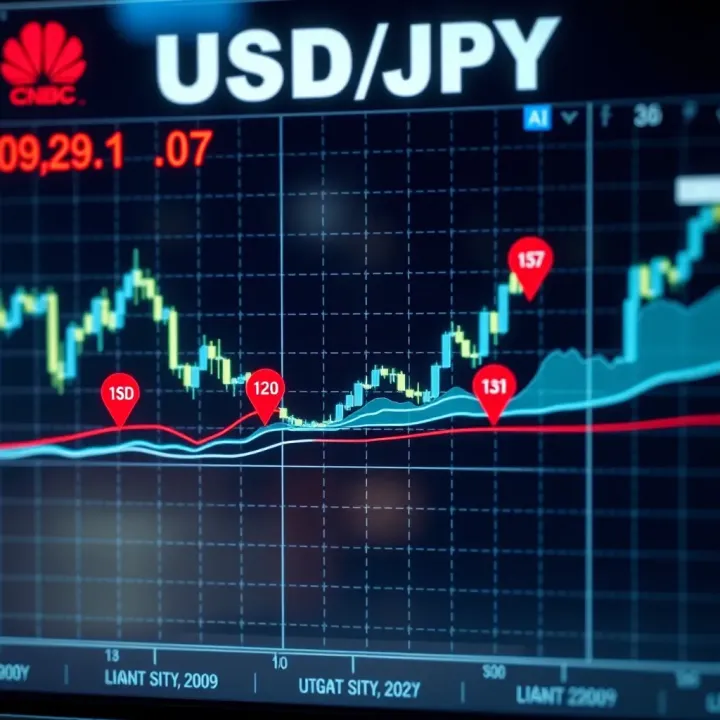
📈 Explore the factors shaping USD/JPY trends—economy, geopolitics, policies, and market mood—to better forecast and trade confidently. 💹

Explore XAUUSD price forecasts with insights into economic, geopolitical factors & technical analysis 📊🔍 Know how to spot trends & make informed gold trades 💰
Based on 15 reviews