
Finding the Best Forex Signals on Telegram
📈 Discover how to pick reliable Forex signals on Telegram for Nigerian traders. Learn to evaluate providers, manage costs, and use signals wisely in trading.
Edited By
Michael Prescott
Forex trading in Nigeria has grown fast, with many traders looking for quick ways to spot profitable trades. Telegram, with its myriad of forex signal channels, has become a popular platform offering free forex signals. But the truth is, not all signals on Telegram are reliable or worth following.
Many Nigerian traders jump at the chance to get free signals, hoping to multiply their naira fast. However, some signals come from unverified sources or outright scams, leading to losses instead of profits. That said, there are channels genuinely providing qualitative signals that can support your trading strategy.
Trusting free forex signals blindly can be risky. Always assess the credibility and track record of a signal provider before staking your hard-earned money.
Here are some points Nigerian traders should consider when using free forex signals on Telegram:
Proven Track Record: Look for channels with transparent histories showing consistent profits over weeks or months. Avoid those that only show wins without acknowledging losses.
Clear Signal Details: Reliable signals include entry price, stop loss, and take profit levels. Signals lacking these specifics are suspect.
Community Feedback: Check trader comments or reviews about the channel. Honest user experiences often reveal if signals are trustworthy.
No Upfront Fees or Pressure: Free signals should not require payments or push you to upgrade aggressively. Be wary of this.
Test Before Committing: Use demo accounts to test signals before applying real funds. This protects your capital from unverified advice.
Telegram is convenient but also a hotspot for dubious forex signals, so practicing caution is vital. Use signals as tools, not gospel. Combine them with your analysis and sound risk management.
Understanding these basics helps Nigerian traders navigate the flood of free forex signals on Telegram wisely. The goal is to protect your ₦investments while exploring new opportunities.
In the sections ahead, we will discuss how to evaluate these signals critically and spot the red flags to avoid costly mistakes.
Forex signals act like road signs for traders navigating the often unpredictable forex market. These signals provide specific indications on when to enter or exit trades, outlining currency pairs, price levels, and stop-loss points. For Nigerian traders, understanding these signals is essential because the forex market's fast pace can easily overwhelm, especially when trading alongside naira fluctuations and global uncertainties.
Forex signals are trading alerts generated by experienced traders or automated systems based on technical analysis or market trends. Think of them as advice nudging you towards potentially profitable trades with clear instructions — for example, buy dollars against naira at ₦460/$1 with a stop-loss at ₦455 and a take-profit at ₦470. Without this guidance, a trader may struggle to time market entries effectively.
The most common signals include entry points (when to buy or sell a currency pair), exit points (when to close a trade), stop-loss levels (to limit possible losses), and take-profit targets. Some signals come with additional details, such as the reasoning behind the trade or relevant news that might affect the currency pair. For instance, a signal might recommend selling the euro against the dollar based on an upcoming European Central Bank announcement.
Traders receive signals through platforms like Telegram and then decide how to act based on these alerts. They follow the recommended entry and exit points while managing risk with suggested stop-loss levels. An example: a trader gets a signal to buy GBP/USD at 1.3800 and sets a stop-loss at 1.3750 to avoid heavy losses if the market reverses. In this way, signals help streamline decision-making, reducing guesswork.
For beginners, signals offer a learning tool – they can observe how expert traders analyse the market and apply practical steps. Meanwhile, experienced traders use signals to supplement their strategies, confirming their market views or capitalising on extra opportunities during busy trading sessions. Yet, it's vital for all traders to avoid blind reliance. Combining signals with personal research ensures better control and customised trading plans.
Clear knowledge of forex signals raises traders' chances of making informed decisions rather than just riding on chances alone, especially in a volatile market like Nigeria's.
By understanding forex signals and their role, Nigerian traders can better navigate the complexities of forex trading, avoiding pitfalls that often come from trading without guidance and improving their overall performance.
Telegram has quickly become one of the most preferred platforms for Nigerian traders to access free forex signals. Its features make it easy to share timely information with a large group of users, which is essential in the fast-paced forex market. Telegram channels and groups provide a space where signals can be delivered instantly, helping traders make swift decisions without constantly checking complicated interfaces.
Telegram is widely popular in Nigeria largely because of its ease of access and group functionalities. Unlike other messaging apps, Telegram allows large group sizes and wide broadcast reach without degrading message delivery speed or quality. This means a signal provider can send updates to thousands of Nigerian traders simultaneously, all from a simple smartphone or desktop app. Traders can join multiple channels effortlessly and organise their feeds based on their preference.
What also drives Telegram’s popularity among Nigerian users is its data efficiency and relative resistance to network disruptions. Given that internet inconsistencies are common in many parts of Nigeria, Telegram’s lightweight design ensures messages come through faster and more reliably than many competitors, even with modest network speeds.
Real-time notifications offer a big advantage on Telegram. When a forex signal is sent out—containing the suggested currency pair, entry price, stop loss, and take profit—the user receives an instant push notification. This real-time alert system is critical because forex markets move quickly, and delays can turn a profitable opportunity into a loss. Traders who rely on Telegram signals can react promptly, whether they are at a desk or on the go.
Telegram forex signal channels typically send alerts frequently during market hours, sometimes multiple times a day depending on market volatility and trading strategy. These alerts are usually concise and formatted uniformly to ensure clarity. For example, a typical alert might look like this:
EUR/USD
Entry: 1.1200
Stop Loss: 1.1150
Take Profit: 1.1300
This straightforward format helps traders quickly understand the trade setup without confusion.
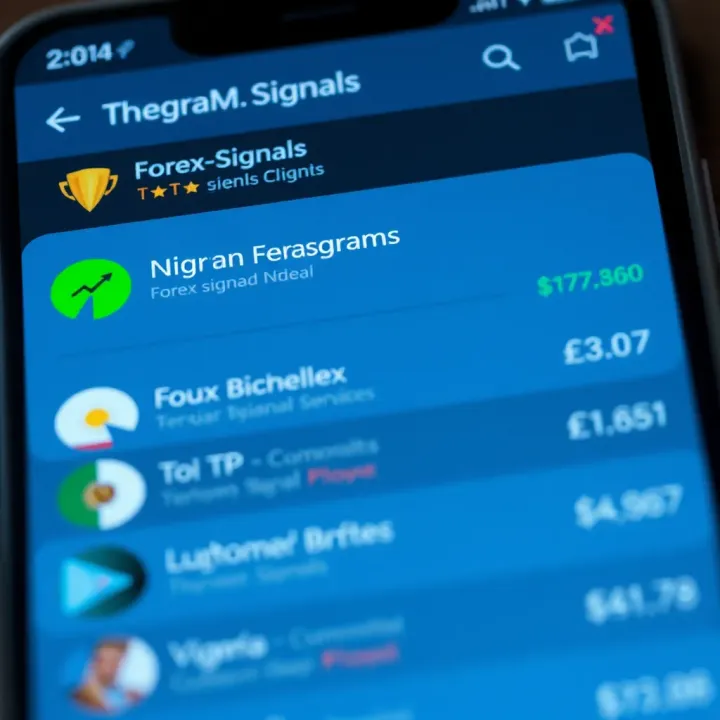
Besides raw trading alerts, many signal channels offer complementary market analysis. They may share charts highlighting technical patterns, brief explanations of market events affecting currency pairs, or updates on economic news releases. This additional information not only builds trust but also empowers traders to develop a deeper understanding rather than blindly following signals. Channels that provide timely market context can help traders make better-informed decisions, for example by adjusting stop losses or exiting trades early during unexpected market moves.
For Nigerian traders, choosing a Telegram signal channel that balances frequent, clear signals with sound market insights can make the difference between consistent small gains and major losses.
Overall, Telegram’s unique attributes cater well to the needs of forex traders seeking free signals, especially in a Nigerian context where accessibility, instant communication, and added educational content matter greatly.
In Nigeria's dynamic forex trading scene, many traders rely on free signals shared on Telegram to guide their decisions. However, not all signals carry the same weight. Assessing the reliability of these signals is essential to avoid losses and improve trading outcomes. Understanding the strengths and pitfalls helps traders spot quality channels and make informed choices.
One major problem with free forex signals on Telegram is the absence of verified performance records. Often, these channels do not provide historical data to prove their claims. For instance, some may boast about high win rates without showing real examples that can be audited. This leaves traders taking a leap of faith, risking capital without knowing the actual success rate.
Moreover, many free signal providers operate anonymously or change usernames frequently, making it difficult to track their long-term results. This lack of transparency poses a challenge as traders cannot reliably judge if the signals come from experienced analysts or mere guesswork.
Another critical risk is the prevalence of scams and misinformation. Some Telegram channels deliberately spread incorrect signals to lure traders into losing positions, which can be exploited for financial gain elsewhere. For example, such operators might benefit from referral fees when traders deposit funds with certain brokers or invest in dubious schemes.
Besides scams, misinformation often arises due to amateurish analysis or outdated strategies. Signals based on poor market understanding can mislead traders, especially beginners who might follow blindly without critical evaluation.
A reliable forex signal channel should openly share its past performance records. This includes clear statistics on winning versus losing trades, ideally with dated entries. Transparency helps traders evaluate whether the signals perform well under various market conditions.
For example, if a Telegram channel presents a detailed report showing consistent profits over the past six months, it builds credibility. On the contrary, vague claims about success without solid data often indicate unreliable sources.
Good quality signals provide explicit instructions—exact price points to enter and exit trades, plus stop-loss levels to limit losses. Without these details, traders face guesswork, increasing their exposure to risk.
Clear guidelines let traders manage their positions confidently and plan proper risk management. For instance, a signal stating "Buy EUR/USD at 1.2000, take profit at 1.2100, stop loss at 1.1970" gives a defined trading plan, unlike a generic tip like "Buy EUR/USD now."
Reliable channels show steady performance and regular signal updates. Consistency indicates sound analysis and discipline rather than random luck. Traders should observe if the channel posts signals frequently without long silent periods or sudden spikes in activity that coincide with aggressive promotions.
Channels that maintain a balanced flow of signals and avoid overloading members with excessive tips usually value quality over quantity.
Trustworthy channels often have moderators who guide conversations and prevent spam or scams. They encourage community interaction where members can ask questions and share experiences. This active engagement fosters transparency and builds confidence.
If you find a Telegram channel where admins swiftly address concerns or clarify signal rationale, it suggests professionalism. Conversely, inactive groups with no feedback may be less reliable.
Channels endorsed or frequented by well-known Nigerian traders or analysts tend to be more credible. Genuine traders often share their insights or confirm signal accuracy based on personal experience.
For example, if respected traders in Lagos or Abuja participate in discussions or recommend a particular signal channel, it carries weight. Local reputations matter because they align with the Nigerian market realities.
Finally, reliable Telegram signal providers usually have a corresponding website or social media presence that verifies their identity. Legitimate business registration or licensing adds a layer of trustworthiness.
Avoid channels that operate solely on Telegram without any external footprint. Proper contact details, clear terms of service, and data protection policies are signs the channel values compliance and accountability.
Assessing free forex signals isn't just about following tips; it’s about verifying their foundation before risking your hard-earned naira. Taking these steps can protect you from avoidable losses and guide your trading journey more wisely.
By applying these measures, Nigerian traders can better differentiate useful free forex signals on Telegram from unreliable or risky sources. This approach safeguards investments while keeping the door open for genuine, no-cost market insights.
For Nigerian traders, using free forex signals safely is a necessary skill that can protect investments and improve trading success. Telegram channels often provide these signals, but without careful management, they might lead to costly mistakes. Navigating this space well means balancing the usefulness of free signals with good risk control and personal insight.
Testing signals on demo accounts lets you try out recommendations without risking real money. Demo accounts simulate live trading environments, allowing you to check if signals normally produce profitable trades before investing ₦. For example, a Lagos-based trader might test a new signal for a week in their demo account, observing the outcomes closely to see if it fits their risk appetite.
Setting stop losses to limit losses involves putting a preset exit point for every trade, which prevents losses from running too deep. In markets like forex where prices swing quickly, a stop loss can save you from wiping out a significant part of your capital. If a signal advises entering a EUR/USD trade, setting a stop loss 50 pips below the entry can cap loss if the market moves against you, avoiding a full drain of your balance.
Not over-leveraging positions means avoiding excessive borrowing to increase trade size. When traders in Nigeria use high leverage, their gains and losses magnify. Many Telegram channels urge users to leverage up, but it’s wiser to keep leverage low, especially with free signals that lack verified success rates. For instance, using a 10:1 leverage rather than 100:1 can prevent huge losses when unexpected market changes occur.
Using indicators and market news alongside signals improves accuracy. Indicators like RSI or moving averages show market trends, while news events—like CBN's policy shifts—can shake currency values. When you blend signals with this info, you don't just follow blindly; you understand why a trade might work, helping you make smarter decisions.
Adapting signals to individual trading style ensures compatibility with your unique approach. Some traders prefer scalping for quick wins; others favour long-term holds. If a Telegram channel suggests a signal meant for quick trade, but your style involves patience, you might adjust entry or exit points accordingly. Customising signals helps you feel more confident and reduces stress.
Red flags to watch out for include claims of guaranteed profits, requests for upfront payments, lack of verifiable track records, and refusal to answer questions. Scam channels also flood groups with spam or pressure members to invest quickly. Spotting these signs early can save you ₦ thousands or more.
How to report suspicious activities involves alerting Telegram moderators, blocking or leaving the channel, and informing local consumer protection bodies such as the Nigerian Securities and Exchange Commission (SEC) or Economic and Financial Crimes Commission (EFCC). Prompt action helps protect others and may curtail scam operations.
Following free forex signals without caution is like crossing a busy Lagos road blindfolded. Managing risks, blending personal analysis, and staying alert to scams are your safety nets.
Using free forex signals on Telegram can aid your trading journey, but only if handled wisely and with practical safeguards in place.
In Nigeria’s growing forex market, relying solely on free signals on Telegram can be risky. Alternatives and paid forex signal services offer another layer of support that many traders look to for more consistent guidance and accountability. Paid signals often come with deeper analysis and a commitment to provide reliable, tested information. For Nigerian traders who want to navigate the forex market more confidently, understanding how these services work can be a key step.
Paid signal services usually have more to lose, so they tend to offer clear records of performance and back their calls with detailed market research. For instance, some reputable Nigerian providers attach explanations for entry points, stop-loss limits, and profit targets, helping traders grasp the reasoning behind each signal. This level of transparency encourages trust and allows traders to learn over time.
However, no paid service guarantees profit. Market volatility in Nigeria, affected by factors like naira fluctuations or unexpected global events, means even expert signals can sometimes miss the mark. Nonetheless, paid providers often maintain ongoing communication with their subscribers, offering updates that free channels typically lack.
Paying for signals means you should weigh the service cost against the value it adds. A service charging ₦10,000 monthly should ideally improve your trading decisions enough to cover that expense and make some profit. Many Nigerian traders consider offerings from platforms like FXTM or local brokers that bundle signal alerts with educational content and customer support.
On the flip side, if a paid provider demands a very high fee without proof of consistent results, it could be a red flag. Nigerian traders should assess reviews, ask for trial periods, or track record summaries before committing. Sometimes, free signals combined with thorough personal research can rival low-quality paid services.
Several Nigerian fintech companies and forex brokers now offer signal services tailored for local traders. Platforms like FXTM Nigeria and OctaFX Nigeria provide market insights and alerts integrated with their trading accounts. These services often reflect Nigerian market conditions, such as news on the Central Bank of Nigeria's policies or local economic indicators, making the signals more relevant.
Leveraging such local providers also means easier access to customer support and potentially smoother withdrawal or deposit processes in naira. This support can be critical for traders dealing with naira exchange rate pressures and power supply issues that affect trading routines.
One practical advantage of some paid signal services is their integration with popular Nigerian trading apps and platforms like MetaTrader 4 (MT4), MetaTrader 5 (MT5), or proprietary mobile apps. This integration enables automatic signal execution or quick manual action, which can be crucial in fast-moving forex markets.
For example, some brokers provide push notifications directly in their app or sync signals via Telegram bots linked with trading platforms. Such seamless access saves time and helps traders avoid missing crucial entry or exit points, especially in Lagos traffic or during power outages when constant screen monitoring isn’t always possible.
Paid forex signal services, when chosen carefully, can provide Nigerian traders with structured guidance and technical insight that free channels often miss. Yet, balancing cost with demonstrable value remains essential to avoid wasteful spending.
By considering paid signals alongside reliable Nigerian fintech providers and taking advantage of app integration, traders can enhance their forex strategies with practical tools suited for the local trading environment.
📈 Discover how to pick reliable Forex signals on Telegram for Nigerian traders. Learn to evaluate providers, manage costs, and use signals wisely in trading.
Find your ideal forex broker in Nigeria 🇳🇬 with our practical guide covering regulations, fees, platforms, and support for smarter trading decisions 💹.
📈 Learn how forex trading works in Nigeria, its risks, top platforms, and CBN regulations to trade confidently and boost your ₦ income effectively.
📈 Learn how Nigerians can trade forex online safely, navigate platforms, manage risks, and understand local regulations for smarter ₦ investments in forex markets.
Based on 8 reviews